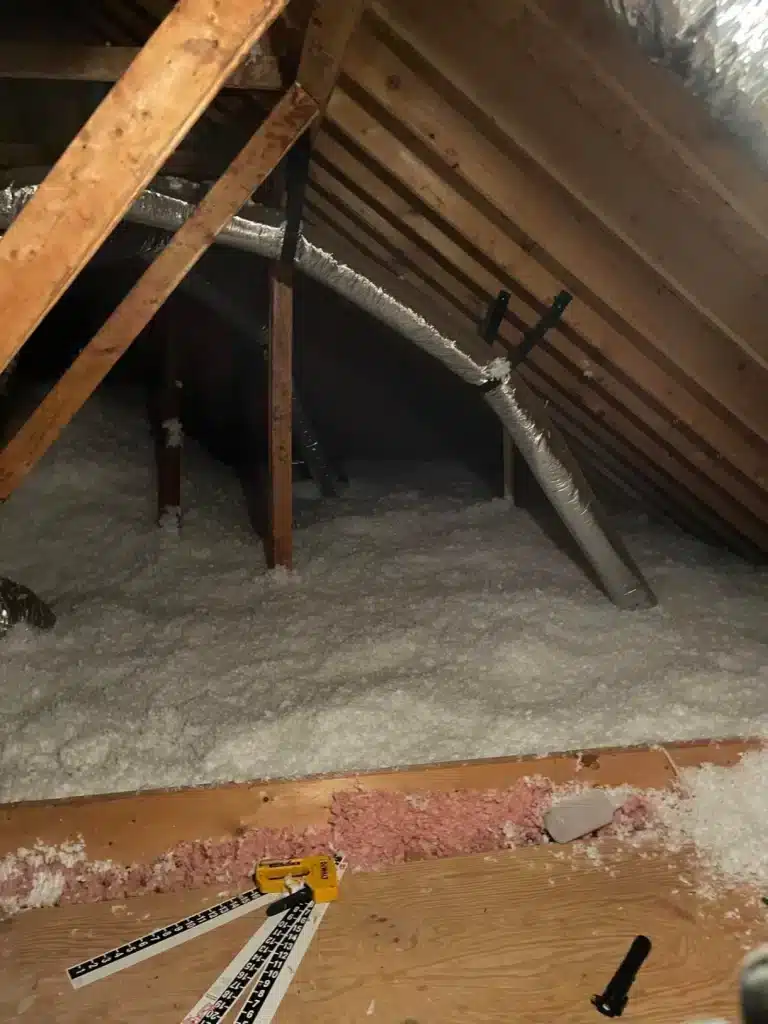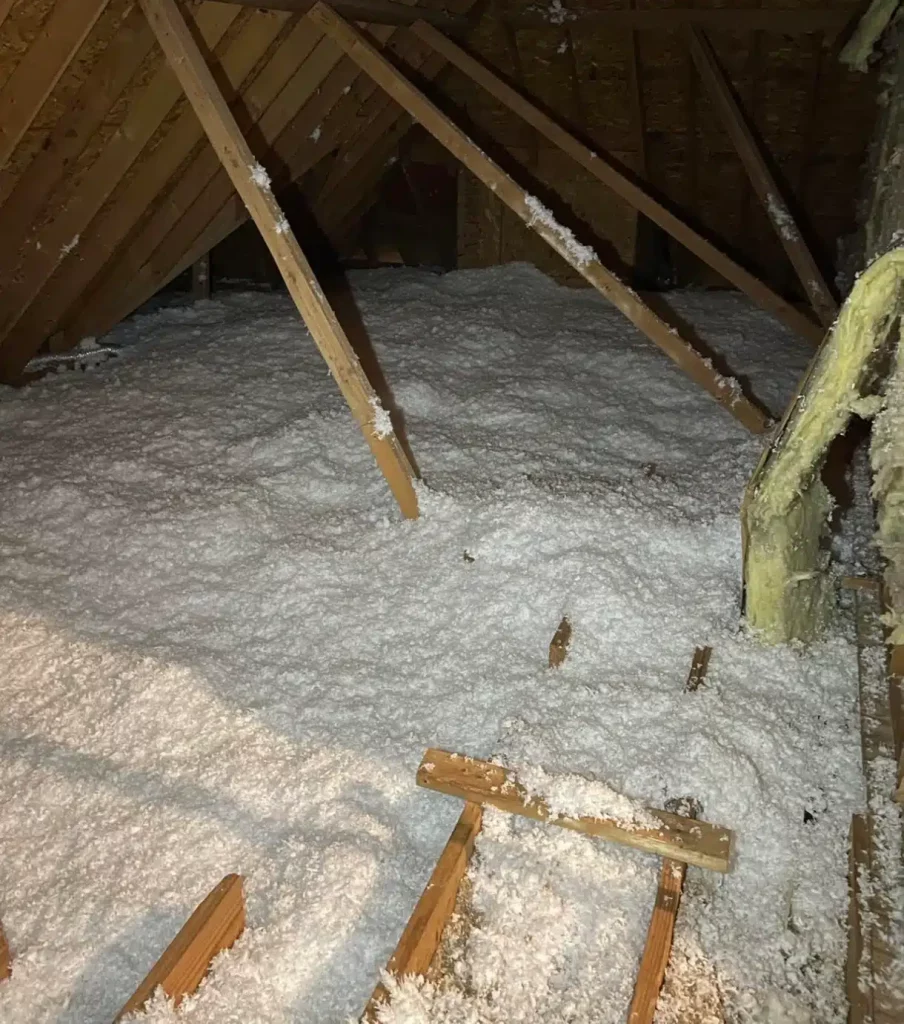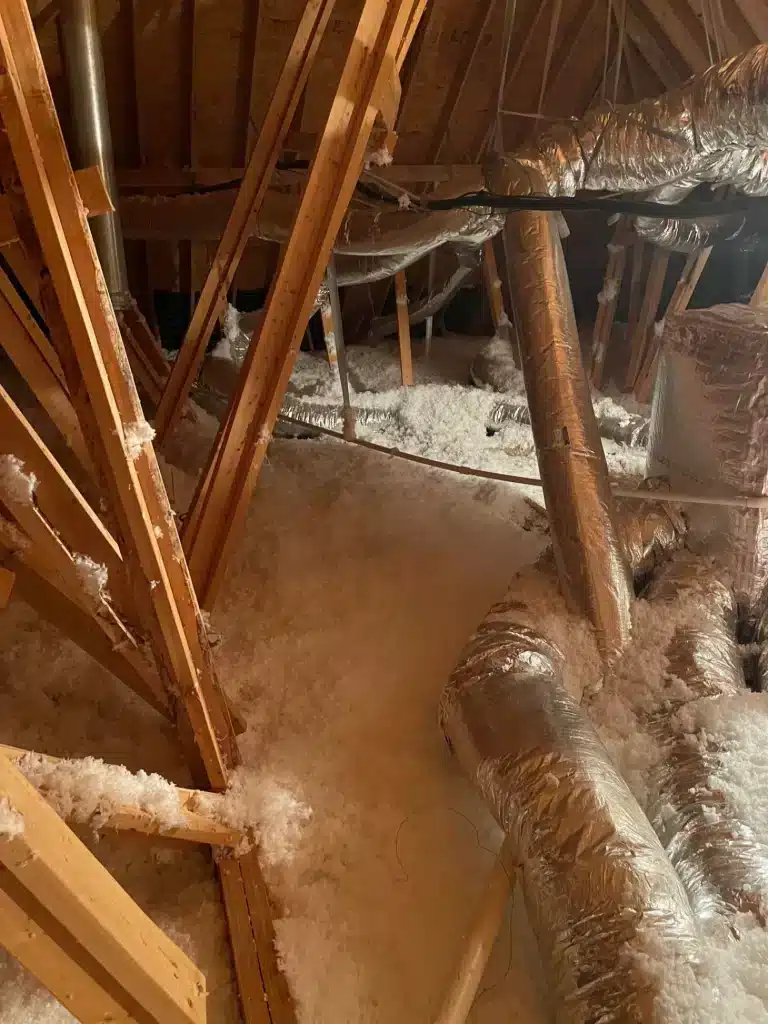

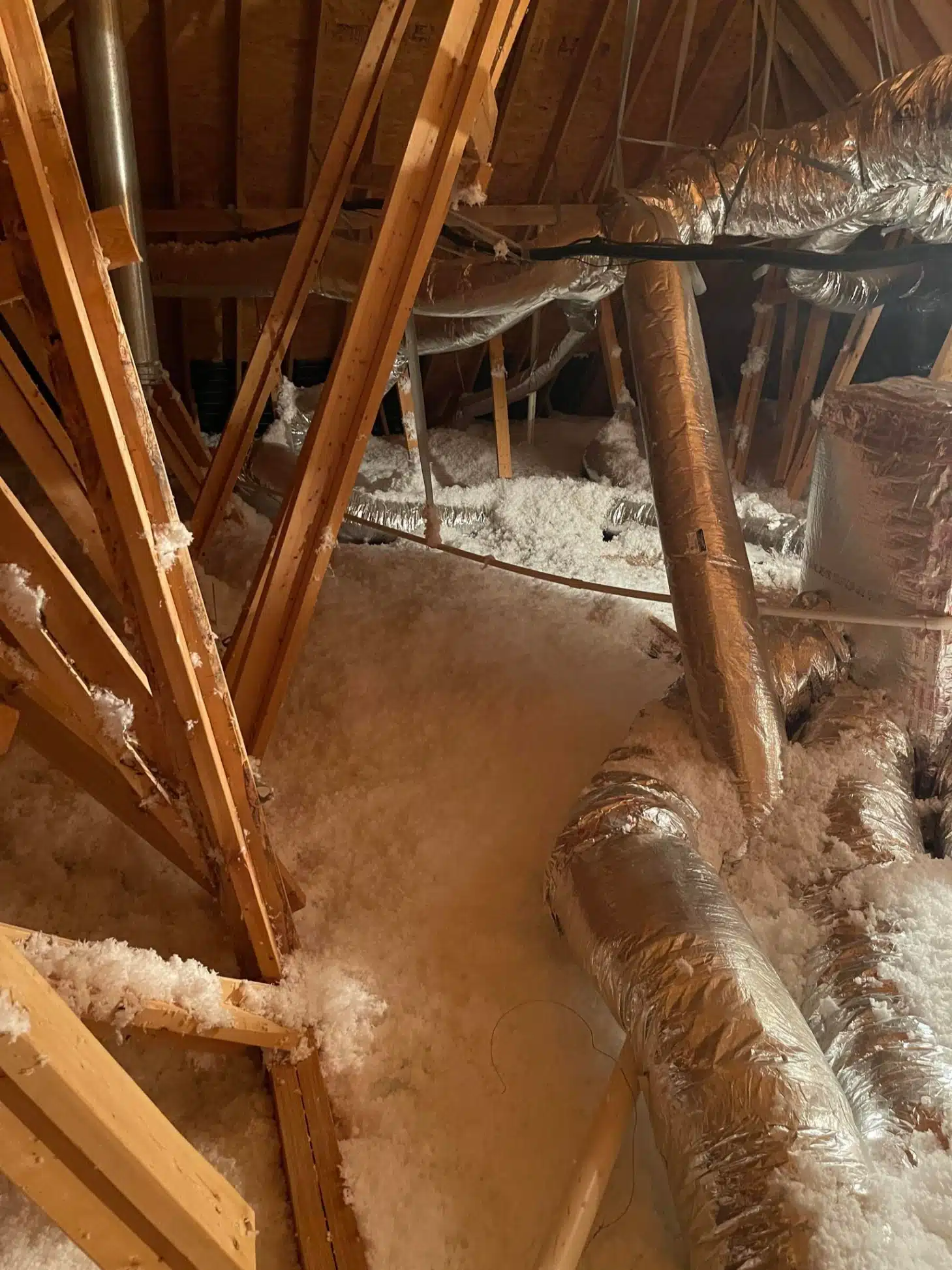
An uncomfortable home is often a symptom of a much bigger, invisible problem. You might notice rooms that are too hot in the summer, chilly drafts in the winter, or energy bills that seem to climb higher each year. While many factors can contribute, the culprit is frequently hiding right above your head in the attic. The attic is one of the single largest sources of heat loss in a home, acting like a chimney that lets conditioned air escape and outdoor temperatures seep in. Without a proper thermal barrier, your heating and cooling systems are forced to work overtime, fighting a losing battle against the elements. This constant struggle doesn’t just impact your comfort; it hits your wallet directly.
Understanding attic insulation is the first step toward creating a more stable, comfortable, and energy-efficient living environment. It’s not just about stuffing some fluffy material between the joists. It’s a science involving heat transfer, material performance, and proper installation techniques. A well-insulated attic works year-round, keeping the heat out during scorching summers and locking it in during freezing winters. This guide is built on years of hands-on experience, designed to give you a complete picture of how attic insulation works.
Here, you’ll learn everything you need to know, from the fundamental principles of heat flow to the specific materials and methods used to stop it. We’ll explore:
- The basic science of how heat moves and how insulation stops it.
- What R-value means and how much insulation your home actually needs.
- A detailed comparison of the most common insulation materials, including their pros and cons.
- The different installation methods and which one might be right for your attic.
- The real-world benefits you can expect, from lower utility bills to a longer lifespan for your HVAC system.
By the end of this guide, you will have a clear understanding of your attic’s role in your home’s overall performance and feel confident in making informed decisions about your insulation needs.
The Science Behind Attic Insulation: How Heat Moves
Before you can appreciate how insulation works, you need to understand what it’s working against: heat transfer. Heat naturally moves from warmer areas to cooler areas, and it does so in three distinct ways. Effective attic insulation is designed to counteract all three of these methods.
Conduction
Conduction is the transfer of heat through direct contact. Think of how a metal spoon gets hot when you leave it in a pot of boiling soup. The heat travels directly through the solid material of the spoon. In your home, heat conducts through the solid materials that make up your roof, attic floor, and framing. During the summer, the sun beats down on your roof, and that heat is conducted through the shingles, decking, and rafters, eventually reaching your attic space and then your living area below. Insulation materials are poor conductors of heat, so they slow this process down dramatically.
Convection
Convection is the movement of heat through the air. As air warms up, it becomes less dense and rises; as it cools, it becomes denser and sinks. This creates a continuous circulation of air called a convection current. In an uninsulated attic, the air heated by the roof circulates freely, transferring that heat down into your home in the summer. In the winter, the warm, conditioned air from your living space rises into the cold attic and is lost. Insulation, especially blown-in types that fill every nook and cranny, disrupts these air currents, trapping the air and preventing it from moving heat around.
Radiation
Radiation is the transfer of heat through electromagnetic waves. It’s the same way the sun warms your face, even on a cool day. The sun’s radiant heat warms your roof, which then radiates that heat downward into your attic. This is a major source of heat gain in the summer. Some insulation types, like radiant barriers (which look like reflective foil), are specifically designed to reflect this radiant heat away from the attic, preventing it from ever being absorbed. Most traditional insulation materials work by slowing the transfer of radiant heat after it has already been absorbed by the roof.
Key Takeaways Your attic insulation is a thermal barrier that combats the three forms of heat transfer. It slows down conduction through solid materials, stops convection by trapping air, and reduces the effect of radiant heat from the sun. A properly insulated attic effectively separates your home’s conditioned living space from the extreme temperatures of the outside world.
Understanding R-Value: The Key to Insulation Performance
When you start looking at insulation, you’ll see one term appear more than any other: R-value. This single measurement is the most important indicator of an insulation material’s effectiveness.
What is R-Value?
R-value is a measure of a material’s thermal resistance, or its ability to resist the flow of heat. The higher the R-value, the better the insulation’s performance. A material with an R-value of 30 will provide twice the insulating power of a material with an R-value of 15.
It’s important to remember that R-value is not determined by the thickness of the insulation alone, though the two are related. Different materials have different R-values per inch. For instance, closed-cell spray foam has a much higher R-value per inch (around R-6.5) than fiberglass batts (around R-3.2). This means you would need a much thicker layer of fiberglass to achieve the same total R-value as a thinner layer of spray foam insulation.
How Much R-Value Do You Need?
The amount of insulation your attic needs depends almost entirely on your climate. The U.S. Department of Energy has divided the country into eight “climate zones” and provides R-value recommendations for each. Homes in colder northern climates require a higher R-value to protect against significant heat loss in the winter, while homes in hot southern climates need a high R-value to prevent heat gain in the summer.
According to a report from the North American Insulation Manufacturers Association (NAIMA), approximately 90% of single-family homes in the U.S. are under-insulated. This suggests that a vast number of homeowners are paying more for energy than they need to.
Here is a general guide to recommended attic R-values by climate zone:
| Climate Zone | Recommended Attic R-Value | Example States/Regions |
|---|---|---|
| Zone 1 | R30 to R49 | South Florida, Hawaii |
| Zone 2 | R30 to R60 | Southeast Texas, Gulf Coast |
| Zone 3 | R30 to R60 | Northern CA, OK, AR, TN |
| Zone 4 | R38 to R60 | Southern IL, OH, PA, OR |
| Zone 5 | R38 to R60 | Most of New England, Midwest |
| Zone 6 | R49 to R60 | Northern Midwest, Northern NE |
| Zone 7 | R49 to R60 | WY, MT, Northern WI, ME |
| Zone 8 | R49 to R60 | Northern MN, Northern AK |
Source: Recommendations based on U.S. Department of Energy guidelines.
Expert Tip: Before adding new insulation, it’s a good idea to have a professional inspect your existing insulation. It might have settled over time, become compressed, or suffered moisture damage, all of which reduce its effective R-value. Sometimes, a simple “top-up” is all that’s needed to reach your target R-value.
For more specific guidance, you can consult an insulation professional or check the ENERGY STAR recommendations for your zip code.
A Deep Dive into Attic Insulation Materials
There is no single “best” insulation material. The right choice for your attic depends on your climate, budget, attic design, and specific goals. Here’s a breakdown of the most common materials used today.
Fiberglass (Batts and Blown-In)
Fiberglass is one of the most widely used insulation materials. It’s made from spun glass fibers and comes in two primary forms for attics: large blankets called “batts” or “rolls,” and loose-fill fibers for blowing in.
- Pros: It’s generally the most affordable option, naturally non-combustible, and resistant to moisture damage. Batts are relatively easy for experienced DIYers to install in attics with standard joist spacing.
- Cons: The tiny glass fibers can be a skin and respiratory irritant, requiring protective gear during installation. Batts can leave gaps if not cut perfectly to fit around obstructions like pipes and wiring, creating spots for heat to escape.
- R-Value per Inch: Approximately R-2.9 to R-3.8 for batts; R-2.2 to R-2.7 for loose-fill.
Cellulose (Blown-In)
Cellulose insulation is made from recycled paper products, primarily newsprint, which is then treated with a fire retardant like boric acid. It’s installed by blowing the fibers into the attic cavity, where it settles into a dense, fluffy blanket.
- Pros: It has excellent coverage and fills irregular spaces and cavities completely, leaving no gaps. Its high recycled content makes it an environmentally friendly choice. The boric acid treatment also makes it pest-resistant.
- Cons: Cellulose is more susceptible to absorbing moisture than fiberglass. If it gets wet from a roof leak, it can become compacted and lose much of its R-value. It can also be dusty during installation.
- R-Value per Inch: Approximately R-3.2 to R-3.8.
Spray Foam (Open-Cell vs. Closed-Cell)
Spray Polyurethane Foam (SPF) is a chemical product that is sprayed as a liquid and expands to fill the space, creating a solid, continuous insulating barrier. There are two types used in attics:
- Open-Cell: This type is softer and more flexible; it’s an excellent air barrier but is permeable to moisture.
- Closed-Cell: This foam is denser and more rigid, acting as an air, moisture, and vapor barrier all in one while also adding structural strength.
- Pros: Spray foam provides the best air seal of any insulation type, stopping drafts and air leaks completely. Closed-cell foam has a very high R-value per inch, making it ideal for tight spaces.
- Cons: It is the most expensive insulation option and requires professional installation with specialized equipment and safety precautions.
- R-Value per Inch: Approximately R-3.5 to R-3.8 for open-cell; R-6.0 to R-7.0 for closed-cell.
Mineral Wool (Rockwool)
Mineral wool, also known as rockwool or slag wool, is made from volcanic rock and industrial slag that is melted and spun into fibers. It comes in both batt and loose-fill forms.
- Pros: Mineral wool is extremely fire-resistant and can withstand temperatures over 1,000°F. It also has excellent sound-dampening qualities and is water-repellent.
- Cons: It’s typically more expensive than fiberglass or cellulose and can be harder to find. It’s also denser and heavier than other materials.
- R-Value per Inch: Approximately R-3.0 to R-3.3.
Expert Tip: Consider a hybrid approach. For example, use spray foam to air seal the attic floor, creating a tight barrier around all penetrations, and then cover it with a thick layer of more affordable blown-in fiberglass or cellulose to achieve a high total R-value.
Comparison of Common Attic Insulation Materials
Understanding Your Attic’s Insulation Options
Choosing the right insulation for your attic is a critical step in managing your home’s energy efficiency and comfort. Different materials offer a range of thermal resistance, benefits, and drawbacks. Here’s a comparative look at some of the most common attic insulation materials, focusing on their performance and characteristics rather than cost.
| Material | Typical R-Value (per inch) | Key Advantages | Key Disadvantages |
|---|---|---|---|
| Fiberglass Batts | R-3.2 | A common and often lower-cost option, fiberglass batts are non-combustible and suitable for DIY installation. | Can be challenging to fit into irregular spaces, potentially leaving gaps. The fibers can be an irritant. |
| Blown-In Fiberglass | R-2.5 | Effectively fills in gaps and irregular spaces in an attic. | May settle over time, which can reduce its R-value. Like batts, the fibers can cause irritation. |
| Blown-In Cellulose | R-3.5 | Provides excellent coverage and is made from recycled materials, making it an eco-friendly choice. It is also resistant to pests. | Can be susceptible to moisture, which may lead to mold and a reduction in its insulating effectiveness. The installation process can be dusty. |
| Open-Cell Spray Foam | R-3.6 | Creates a superior air seal and provides excellent sound dampening. | Generally requires professional installation and can be a higher-cost option. It has a lower R-value compared to closed-cell foam. |
| Closed-Cell Spray Foam | R-6.5 | Offers the highest R-value per inch and acts as an air and moisture barrier. It can also add structural strength. | This is typically the most expensive insulation option and must be installed by professionals. |
| Mineral Wool Batts | R-3.1 | Highly resistant to fire and water, and offers good sound-dampening qualities. | Often has a higher material cost and may be less commonly available than other insulation types. |
Note: Costs are estimates and can vary significantly based on location, project complexity, and labor rates.
Common Attic Insulation Methods Explained
The material you choose often dictates the installation method. Each method has its own process and is suited for different types of attics.
Batt and Roll Insulation
This is the classic method many people picture. Large pre-cut blankets of insulation (typically fiberglass or mineral wool) are laid between the attic floor joists. Rolls are similar but come in one long piece that can be cut to length. This method works best for attics with standard and consistent joist spacing and few obstructions. The key to an effective installation is ensuring the batts fit snugly without being compressed, as compressing insulation reduces its R-value.
Blown-In or Loose-Fill Insulation
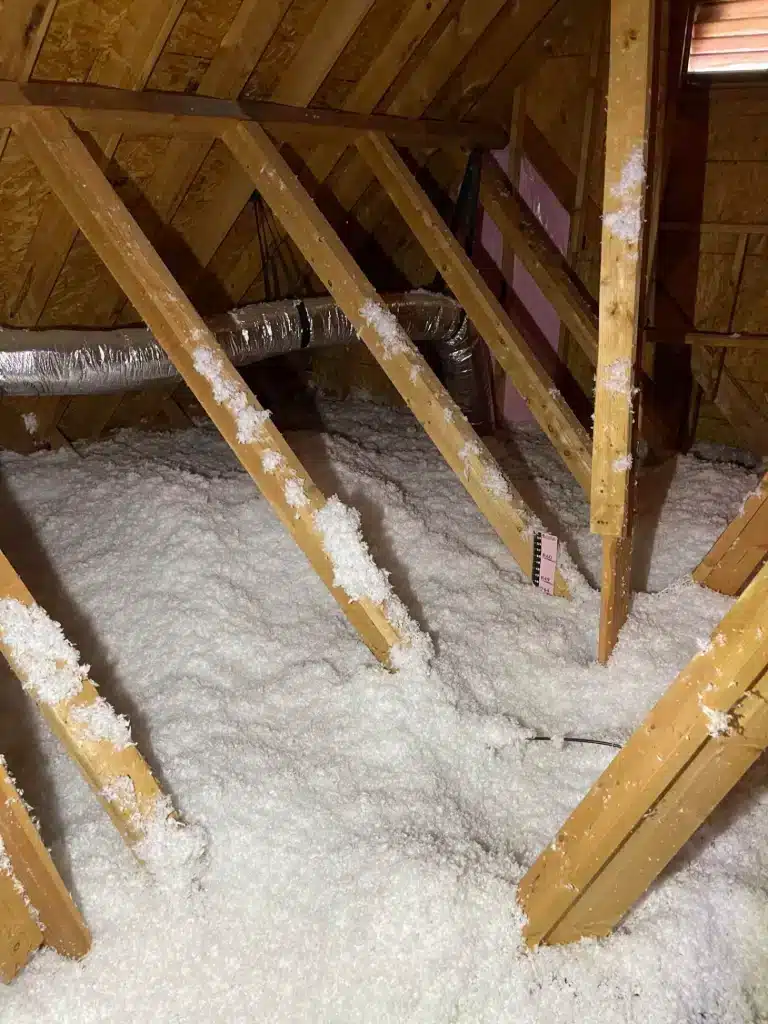
For this method, a specialized machine is used to blow loose fibers of fiberglass, cellulose, or mineral wool through a large hose into the attic. An installer directs the hose to cover the entire attic floor with a uniform, deep layer of insulation. This is often the best method for attics with irregular joist spacing, lots of obstructions (like wiring and plumbing), or a low-pitched roof that makes it hard to move around. It’s also ideal for adding insulation on top of existing batts.
Spray Foam Insulation
Spray foam is a two-part liquid that is mixed in the nozzle of a sprayer and applied directly to the surface. It can be sprayed onto the attic floor or, more commonly, directly onto the underside of the roof deck. Applying it to the roof deck creates what is known as a “conditioned” or “sealed” attic, where the attic space itself is brought inside the home’s thermal envelope. This can be a great solution for homes with HVAC equipment located in the attic. This is a job that should only be done by trained professionals due to the chemical nature of the product.
The Tangible Benefits of a Properly Insulated Attic
Investing in attic insulation isn’t just about following building codes; it provides real, measurable benefits that improve your home and quality of life.
Significant Energy Savings
This is the most well-known benefit. By creating a strong thermal barrier, insulation reduces the workload on your heating and cooling systems. The U.S. Environmental Protection Agency’s ENERGY STAR program states that homeowners can save an average of 15% on heating and cooling costs by air sealing their homes and adding insulation in attics, crawl spaces, and rim joists. For the average American household, that can amount to hundreds of dollars per year.
Improved Home Comfort
A properly insulated attic makes your home’s temperature much more stable and consistent. It helps eliminate hot spots in the summer and cold drafts in the winter. Rooms on the top floor will feel much more comfortable year-round, as they will no longer be directly exposed to the extreme temperatures radiating from the attic.
Enhanced HVAC System Lifespan
When your attic isn’t properly insulated, your HVAC system has to run constantly to maintain the temperature you set on your thermostat. This constant operation puts a huge strain on the equipment, leading to more frequent breakdowns and a shorter overall lifespan. By reducing the system’s runtime, good insulation helps protect your expensive HVAC equipment from premature failure.
Increased Home Value
Energy efficiency is an increasingly important feature for homebuyers. A home with a well-insulated attic is more attractive to potential buyers because it signals lower future energy bills and a well-maintained property. In fact, research from the National Association of Realtors often shows that attic insulation upgrades recoup over 100% of their cost at resale, making it one of the best home improvement investments you can make.
Common Issues and How to Address Them
Simply having insulation isn’t enough; it has to be installed correctly and kept in good condition. Here are a few common problems that can compromise its performance.
Pests and Contamination
Attics can be attractive nesting spots for rodents, birds, and insects. These pests can tunnel through insulation, creating paths for air to move and reducing its R-value. They also leave behind droppings and other contaminants that can create unpleasant odors and pose health risks. If you have evidence of a pest infestation, the contaminated insulation should be removed, the area sanitized, and any entry points sealed before new insulation is installed.
Moisture and Mold
Roof leaks, condensation from improperly vented bathroom fans, or poor attic ventilation can introduce moisture into your insulation. Wet insulation, particularly cellulose, becomes compacted and loses its ability to trap air. Worse, persistent moisture creates the perfect environment for mold and mildew to grow, which can damage the structure of your home and affect indoor air quality. It’s essential to fix the source of any moisture before addressing the insulation itself.
Inadequate or Settled Insulation
Over many years, loose-fill insulation can settle and become less deep, reducing its overall R-value. In other cases, older homes were simply built with far less insulation than is recommended today. You can easily check the depth of your insulation with a tape measure. If it’s below the level of your attic floor joists, you almost certainly don’t have enough.
Expert Tip: Don’t forget about air sealing! Insulation slows heat transfer, but it doesn’t always stop air leaks. Before insulating, it’s critical to seal any gaps, cracks, or holes in your attic floor around plumbing pipes, wiring, light fixtures, and the attic hatch. This simple step can make a huge difference in performance.
Key Takeaways: The benefits of attic insulation go far beyond just saving money. A well-insulated attic contributes to a more comfortable and consistent indoor environment, reduces wear and tear on your HVAC system, and can even increase the resale value of your home. It’s an investment in both your comfort and your property.
Putting Your Attic Insulation Knowledge into Action
You now have a solid foundation for understanding how attic insulation works, from the science of heat transfer to the practical differences between materials and methods. You know that R-value is the key measure of performance and that the right amount for your home depends on your climate. Ultimately, this knowledge empowers you to take meaningful steps toward making your home more efficient and comfortable for years to come.
Need Expert Guidance?
Navigating the world of insulation can be complex, and every home is unique. If you want to ensure your attic is performing at its best, a professional assessment can provide clarity and peace of mind. For a detailed inspection and a personalized recommendation tailored to your home’s specific needs, you can contact the team at Makeover Insulation LLC. Feel free to reach out by phone at (404) 800-0300 or send an email to [email protected] to schedule a consultation.
Sources
- North American Insulation Manufacturers Association (NAIMA) – This association provides data on under-insulated homes in the U.S. and general insulation information.
- ENERGY STAR – This program offers detailed recommendations for insulation levels and air sealing based on zip code.
- National Association of Realtors – This organization publishes reports on the return on investment for various home improvement projects, including attic insulation.
Frequently Asked Questions About Attic Insulation
How much does new attic insulation cost?
The cost varies widely depending on the material you choose, the size of your attic, your location, and the amount of R-value you need. A professional estimate from a company like Makeover Insulation LLC can give you a precise figure for your specific home.
Can I install attic insulation myself?
Installing batt insulation can be a DIY project for those who are comfortable working in tight spaces and using the necessary safety gear (gloves, mask, goggles). However, blown-in and spray foam insulation require specialized equipment and should always be handled by trained professionals to ensure proper coverage and safety.
How long does attic insulation last?
Most modern insulation materials are designed to last for a very long time, often 80 to 100 years, or the lifetime of the house. However, its performance can be degraded by moisture, pests, or physical damage. It doesn’t “expire,” but it can lose effectiveness if it’s not maintained.
Do I need to remove my old attic insulation before adding new insulation?
In most cases, no. If the old insulation is in good condition (not wet, moldy, or infested with pests), you can add new insulation directly on top of it. This is a common practice called “capping.” The R-value of the old insulation simply adds to the R-value of the new layer.
What is attic ventilation and why does it matter?
Attic ventilation is a system of vents (like soffit, ridge, and gable vents) that allows for the continuous flow of outdoor air through the attic. This is important for two reasons: in the summer, it helps exhaust the super-heated air that builds up, and in the winter, it helps remove moisture that can lead to condensation and mold. Proper ventilation works hand-in-hand with insulation.
Will more insulation always make my home better?
There is a point of diminishing returns. Going from an R-10 to an R-49 will make a massive difference. Going from an R-60 to an R-70 will have a much smaller impact on your energy bills. It’s best to follow the Department of Energy’s recommendations for your specific climate zone to get the best return on your investment.