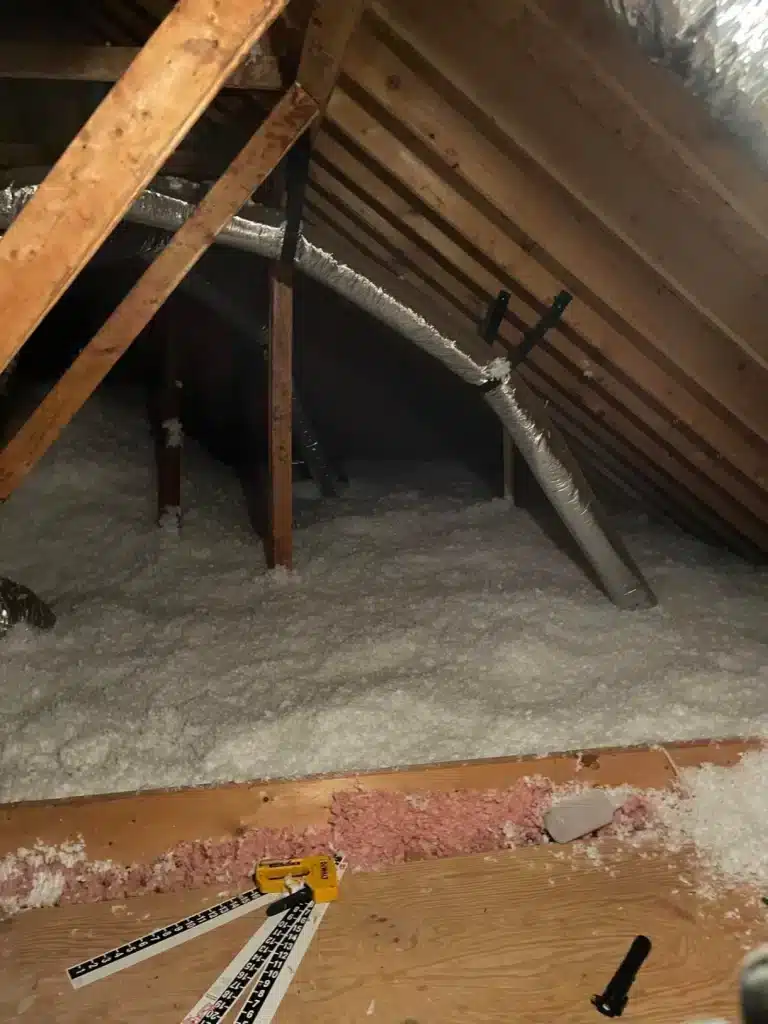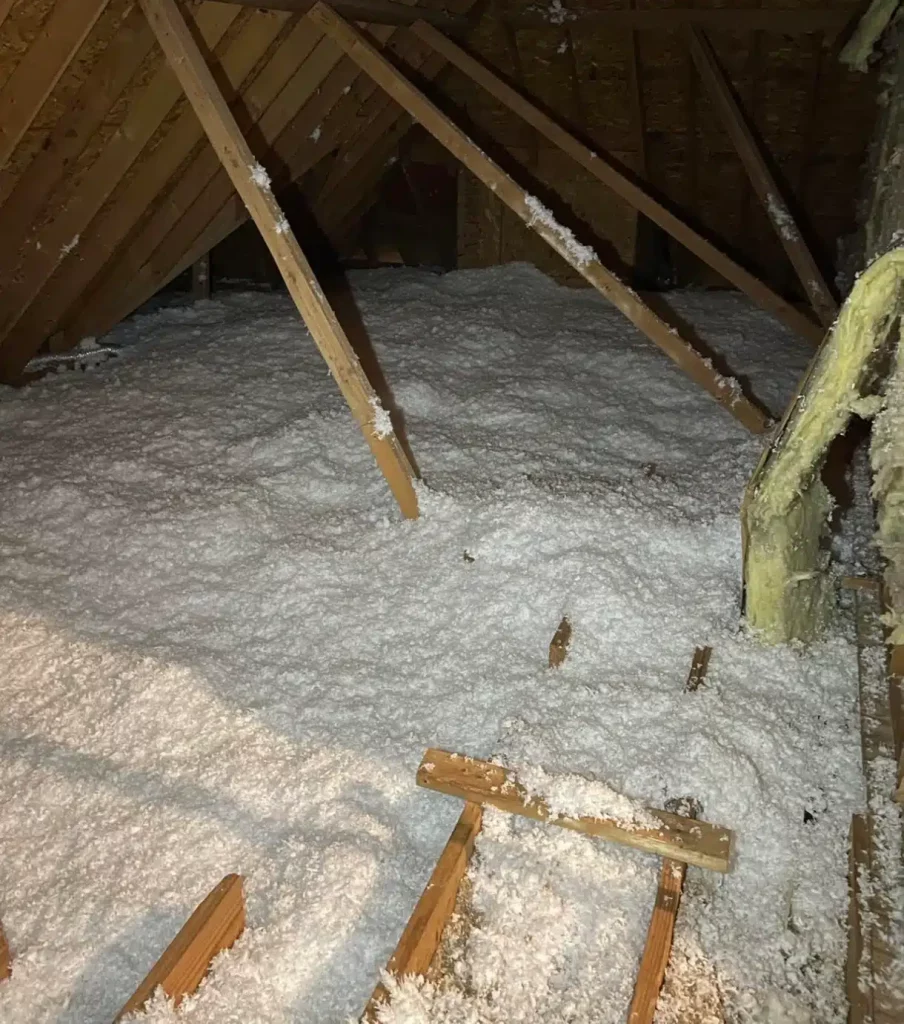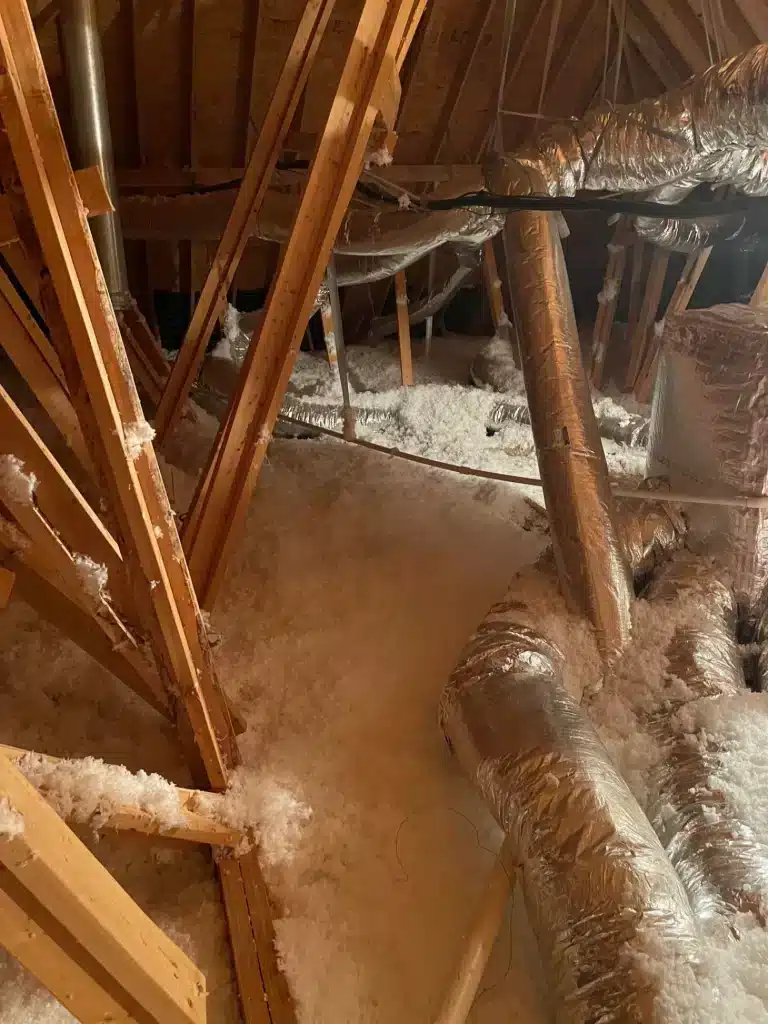

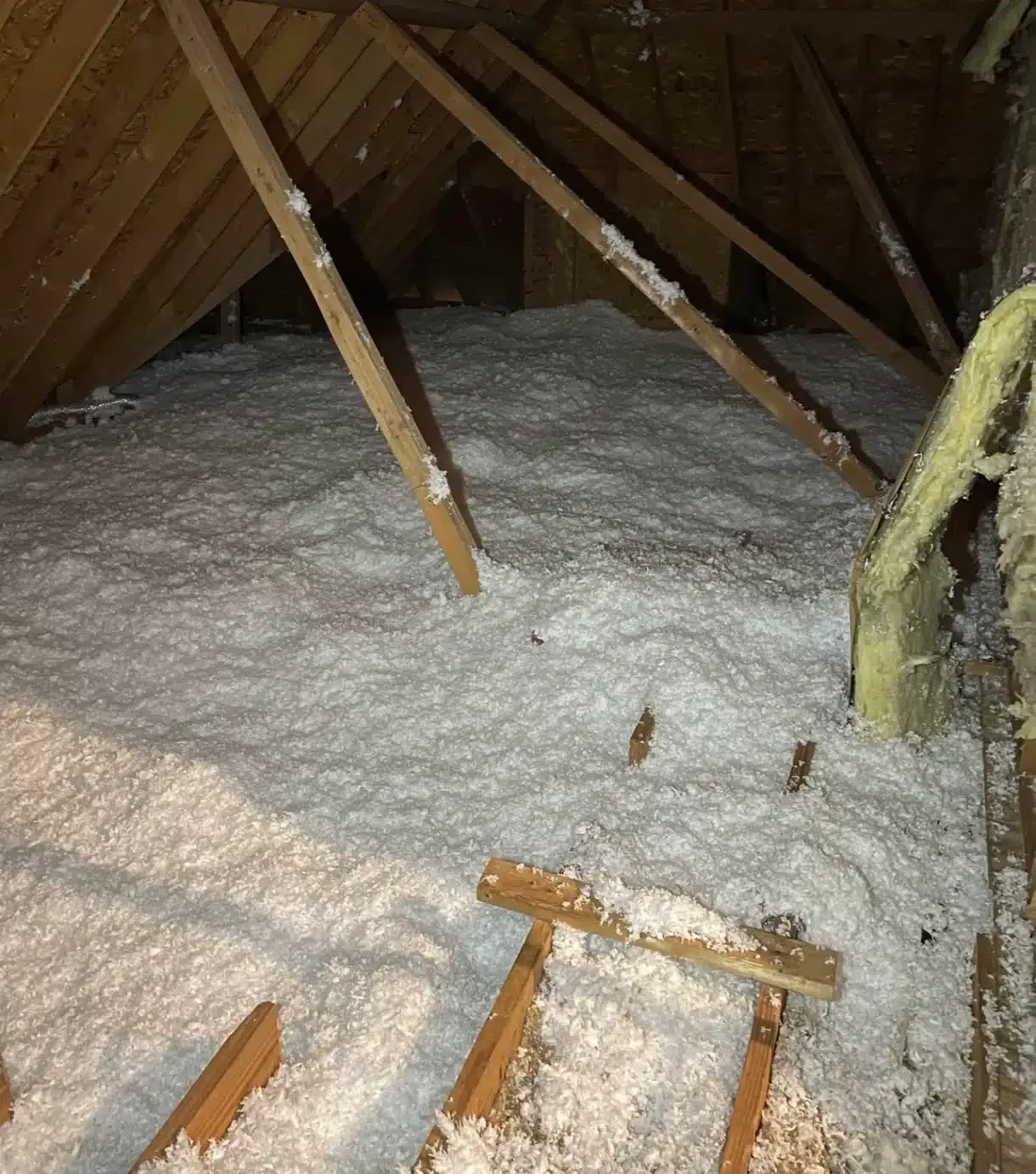
Proper attic insulation methods directly controls a home’s comfort by resisting heat flow. In Suwanee’s hot summers, it acts as a barrier, stopping the intense solar heat absorbed by the roof from radiating down into your living spaces. During the cooler winter months, it performs the opposite function, preventing the warm, heated air inside your home from escaping through the ceiling and attic. This thermal resistance stabilizes indoor temperatures, reduces the strain on your HVAC system, and creates a more consistent and pleasant environment year-round.
This article explains the principles behind how attic insulation functions, the correct levels for Georgia homes, and what factors to consider for your property. The information presented is drawn from extensive field experience helping homeowners in the Suwanee area achieve better home comfort and energy efficiency.
The Science of Heat Transfer in a Suwanee Home
Your home’s comfort is constantly challenged by heat moving from warmer areas to cooler ones. In a typical Suwanee home, the attic is the primary site of this unwanted heat exchange. This happens in three ways:
- Conduction: Heat transfers through solid materials. In summer, the sun heats your shingles, and that heat conducts through the roof decking, rafters, and eventually your ceiling joists into your rooms.
- Convection: Heat moves through the air. As the air in your attic gets superheated, it circulates and transfers that heat to the cooler ceiling below. In winter, warm air from your living space rises convectively into the cold attic.
- Radiation: Heat travels in a direct line and heats anything solid it contacts. A hot roof radiates heat downward, warming the insulation, ductwork, and ceiling, which then radiate that heat into your home.
Without an effective thermal barrier, your attic becomes a massive radiator in the summer and a heat sink in the winter, forcing your air conditioner and furnace to work overtime just to keep up.
How Insulation Works to Counteract Heat Flow
Insulation works by trapping pockets of air, which slows down the conductive and convective transfer of heat. The effectiveness of insulation is measured by its R-value, which indicates its ability to resist heat flow. The higher the R-value, the better the insulation’s performance.
For Suwanee and the rest of Gwinnett County, which are in Climate Zone 3, recommendations from ENERGY STAR suggest an attic insulation level between R-30 and R-60. Most older homes in the area have significantly less, often R-19 or lower, which is inadequate for modern energy efficiency and comfort standards. Upgrading from R-19 to the recommended level can make a substantial difference.
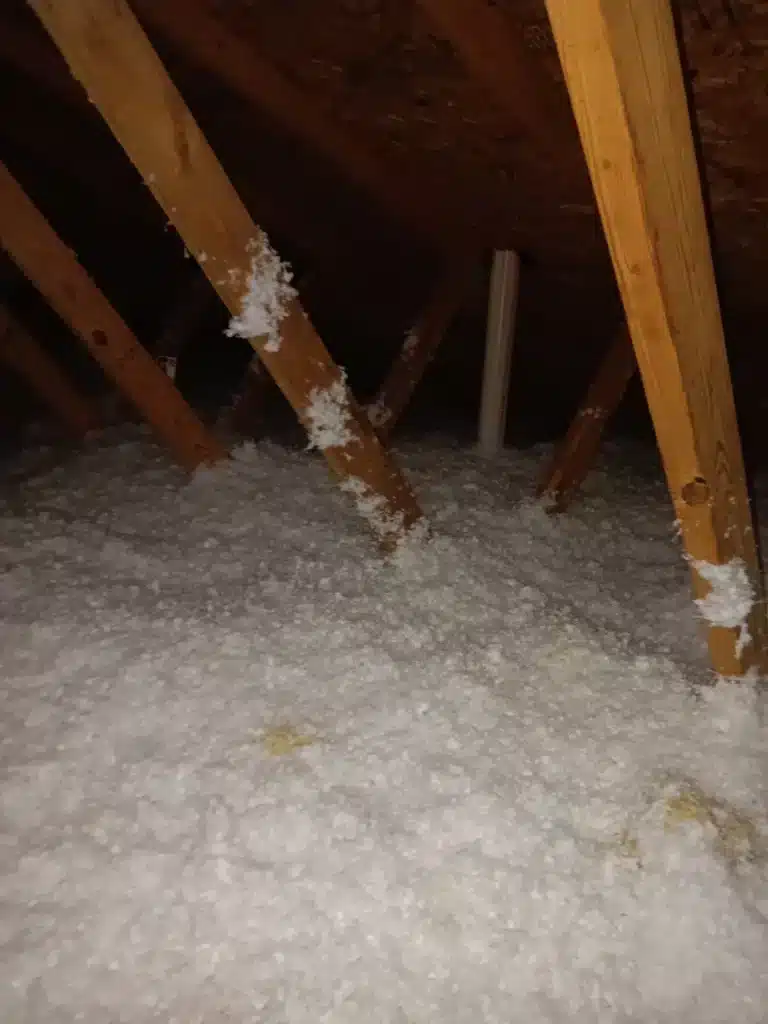
Bonus Tip: You can get a rough idea of your current insulation level by looking in your attic. If you can easily see the tops of your ceiling joists (the wooden beams running across the attic floor), you likely have less than an R-30 level and could benefit from adding more.
A Look at Common Attic Insulation Materials
Choosing the right material depends on your attic’s structure, your budget, and your specific goals. Each option offers a different combination of performance and cost.
| Insulation Type | R-Value (per inch) | Common Application | Key Advantages |
|---|---|---|---|
| Fiberglass (Blown-In) | 2.2 – 2.9 | Open attics, topping up existing insulation | Cost-effective, non-combustible, fills irregular spaces well |
| Cellulose (Blown-In) | 3.2 – 3.8 | Open attics, environmentally conscious projects | High recycled content, good air-blocking capability |
| Spray Foam (Open-Cell) | 3.5 – 3.8 | Applied to roof deck, complex attic structures | Excellent air sealant, good sound dampening |
| Fiberglass Batts | 2.9 – 3.8 | Between joists, easy for DIY if attic is open | Uniform thickness, easy to handle in standard spaces |
More Than Just Temperature Control
While stable temperature is the main benefit, a properly insulated attic provides other advantages that improve daily life.
Improved Air Quality
Many homeowners don’t realize that a significant amount of air leakage occurs through the attic. Sealing these gaps before adding insulation prevents unfiltered attic air, dust, and allergens from being pulled into your home. This process, known as air sealing, is a critical first step. The U.S. Department of Energy explains that air sealing can be one of the most cost-effective ways to improve a home’s energy efficiency and comfort.
Noise Reduction
Insulation has excellent sound-dampening properties. Adding a thick layer of insulation in the attic can significantly reduce noise from the outside, such as heavy rain, wind, or overhead air traffic, creating a quieter indoor environment.
Things to Consider Before Making a Decision
Before you decide to add insulation, it’s important to evaluate the entire attic system. Simply adding more material without a proper assessment can lead to wasted money or even moisture problems.
- Existing Insulation: Check the condition of what you already have. Is it compressed, water-damaged, or contaminated by pests? Damaged insulation should be removed before new material is installed.
- Attic Ventilation: Your attic needs to breathe. Proper ventilation, including soffit and ridge vents, prevents moisture buildup and helps keep the attic cooler in summer. Ensure that any new insulation does not block these vents.
- Air Sealing: Look for gaps around light fixtures, plumbing pipes, chimneys, and the attic hatch. These should be sealed with caulk or spray foam insulation in Suwanee before it installed to maximize its effectiveness. A study by the National Renewable Energy Laboratory found that reducing air leakage is just as important as R-value for achieving energy savings.
- Long-Term Value: While the upfront cost is a factor, consider the long-term savings. Upgrading attic insulation in Suwanee, GA often pays for itself in just a few years through lower energy bills and can also increase your home’s resale value.
Bonus Tip: Before insulating, make sure any electrical wiring is up to code and that any recessed “can” lights are rated for direct contact with insulation (IC-rated). Covering non-IC-rated fixtures can create a fire hazard.
Final Thoughts on Home Comfort
For Suwanee families, achieving consistent year-round comfort starts in the attic. By creating a robust thermal barrier, proper insulation minimizes the impact of outdoor temperature extremes on your indoor environment. This not only makes your home feel better but also lowers your energy consumption day after day. Before moving forward, take the time to evaluate your attic’s specific needs, from its current R-value to its ventilation and air leakage points, to ensure you get the best possible results.
Get a Professional Assessment
To understand the specific needs of your home, a professional evaluation can provide clear, actionable information. For a detailed inspection or to discuss your options, you can reach out to Makeover Insulation LLC. Get in touch by calling (404) 800-0300 or sending an email to [email protected] for personalized advice.
Sources
- ENERGY STAR – This page provides official recommendations for insulation R-values based on climate zones across the United States.
- U.S. Department of Energy – An official resource detailing the importance and methods of air sealing homes to improve energy efficiency and comfort.
- National Renewable Energy Laboratory – This technical report discusses field studies on air leakage and its significant impact on residential energy consumption, validating the importance of air sealing.
FAQS
How do I know if my Suwanee home needs more attic insulation?
High energy bills, rooms that are difficult to keep cool in summer or warm in winter, and uneven temperatures between floors are all common signs of insufficient attic insulation. A visual inspection is the best first step.
Will attic insulation really help with summer heat?
Absolutely. This is one of its most important functions in Georgia. It acts as a shield, slowing the massive amount of heat collected by your roof from entering your living area and making your AC’s job much easier.
What’s the difference between faced and unfaced insulation?
Faced insulation has a paper or foil vapor barrier on one side. This is used to prevent moisture from passing through the insulation. Unfaced insulation has no barrier. In attics, the general rule is to use unfaced insulation, especially when adding it on top of existing material, to avoid trapping moisture.
Does attic insulation prevent ice dams in winter?
While Suwanee doesn’t experience harsh winters, ice dams can still form during cold snaps. They happen when heat escaping from the living space warms the roof and melts snow, which then refreezes at the colder eaves. Proper insulation keeps the roof deck cold, preventing this cycle and protecting your roof and gutters.
Is professional installation necessary?
While some homeowners can add insulation themselves, a professional can ensure the job is done correctly. Professionals have the equipment to install blown-in insulation evenly, will properly air seal, and can identify and address any ventilation or safety issues you might miss.