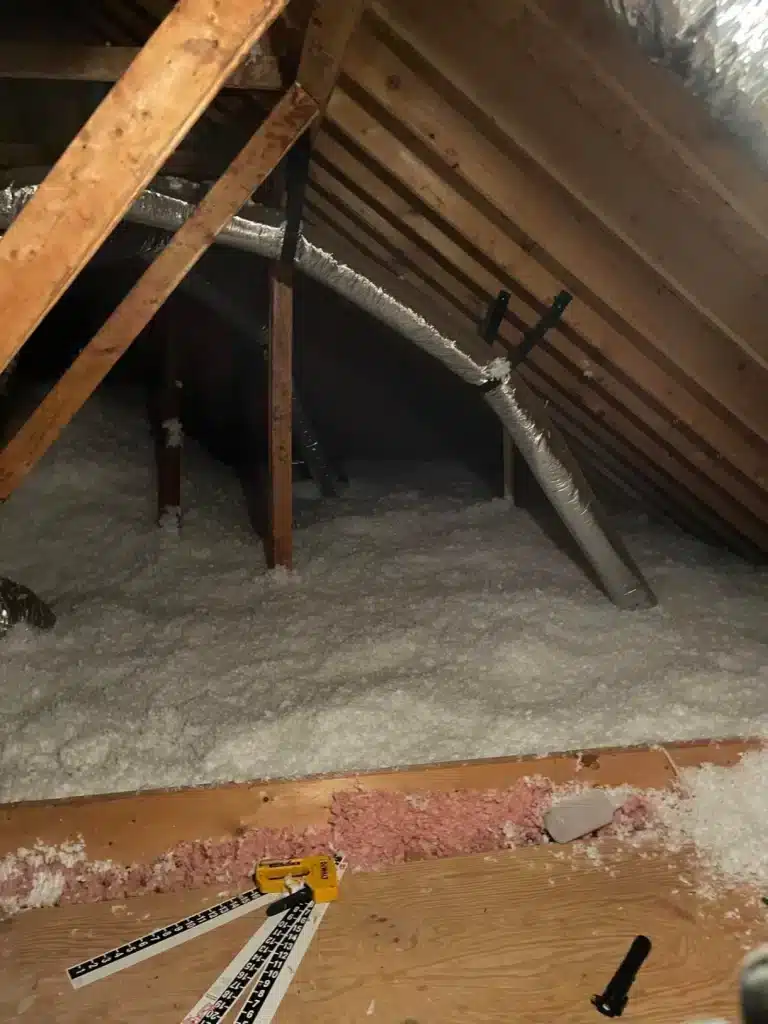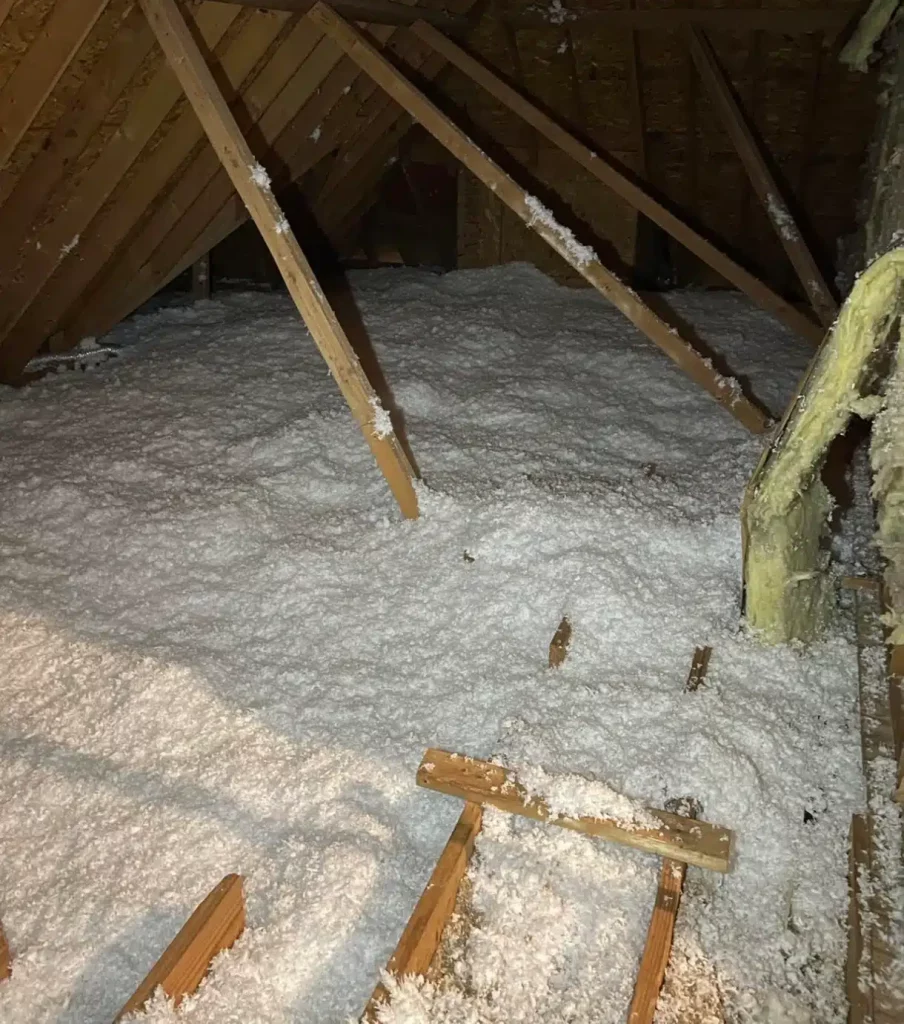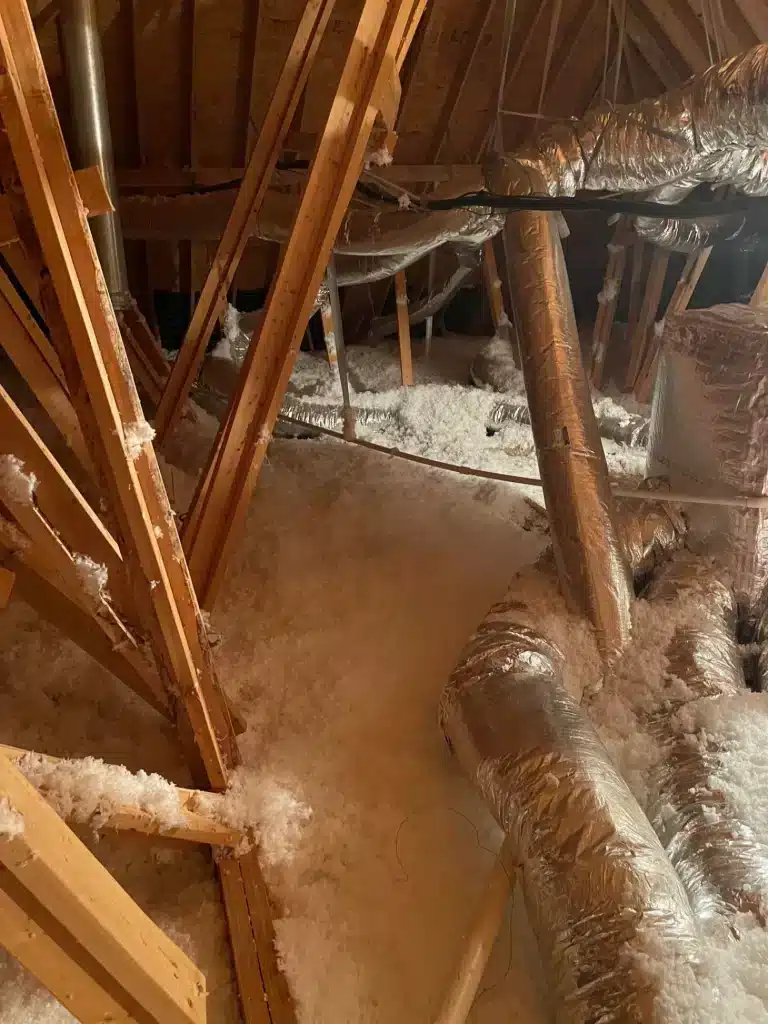

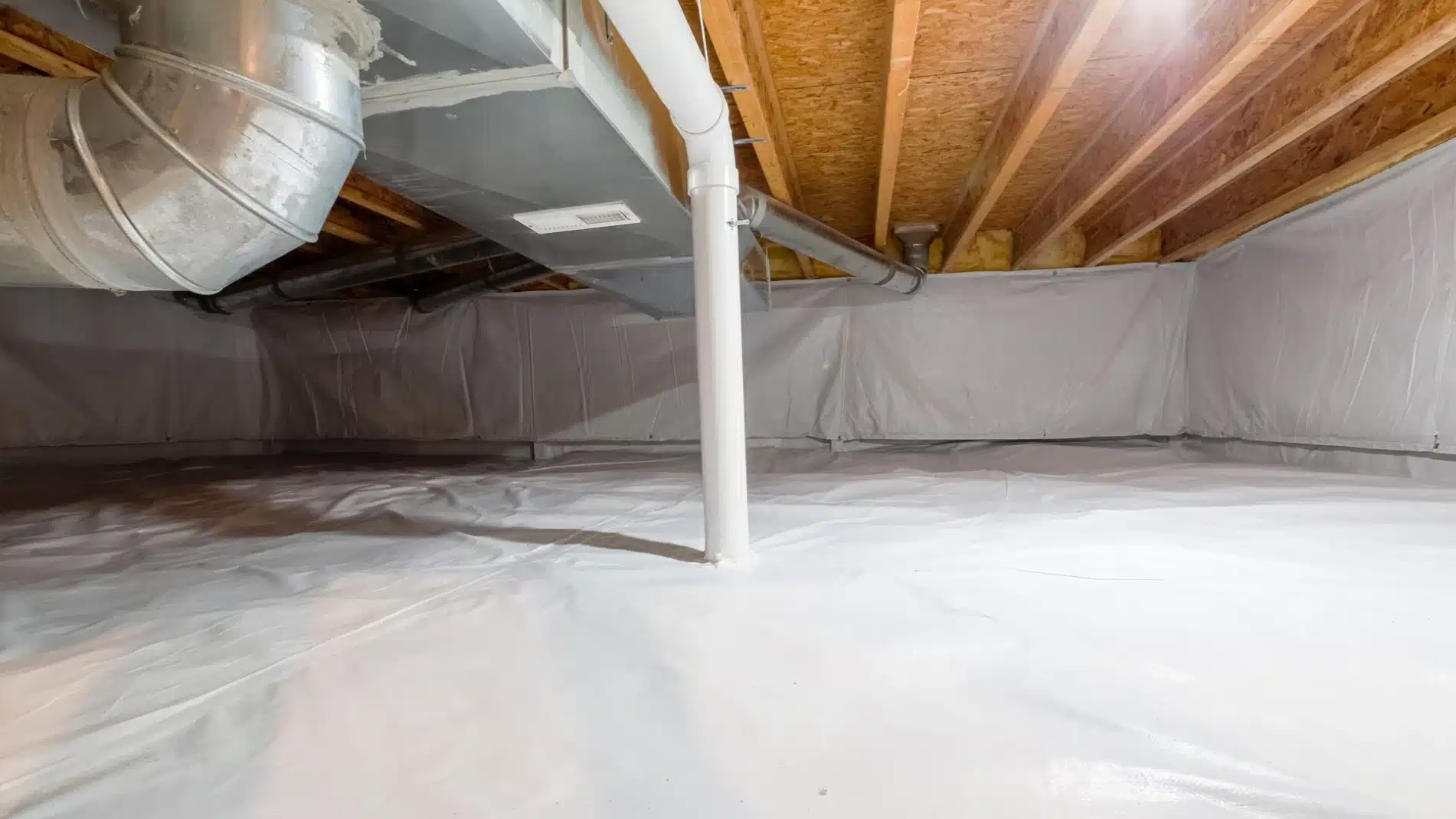
Crawl space insulation plays a direct role in controlling moisture levels, which is the leading contributor to mold growth in Atlanta’s humid climate. Proper insulation creates a barrier that limits condensation on subflooring and ductwork, helping to reduce microbial activity in dark, damp areas below the home. Without it, moisture-laden air from outside can penetrate the crawl space, promoting an environment where mold spores thrive.
The impact is particularly noticeable in Atlanta, where annual average humidity exceeds 70% and ground moisture infiltration is common. When insulation is properly installed and paired with air sealing, it blocks external humidity, controls dew point issues, and prevents warm air from colliding with cold surfaces inside the crawl space a major mold trigger. Makeover Insulation draws on extensive experience with Atlanta homes to assess crawl space conditions and apply the most effective insulation approach for mold mitigation.
How Moisture Triggers Mold Growth in Crawl Spaces
Warm, humid air entering uninsulated crawl spaces cools against colder surfaces, creating condensation. Over time, this introduces moisture into subflooring, joists, and mechanical systems, laying the groundwork for fungal activity. Mold begins forming within 24-48 hours of persistent dampness, especially on organic surfaces like wood and insulation.
Bonus Tip: Homes with hardwood floors directly above crawl spaces are more vulnerable due to wood’s sensitivity to moisture absorption. Insulation protects structural materials and indoor air quality.
Technical Impact of Crawl Space Insulation on Mold Risk
| Factor | Without Insulation | With Proper Insulation |
|---|---|---|
| Relative Humidity Levels | Frequently >70% | Stabilized between 45-55% |
| Dew Point Surface Risk | High (condensation likely) | Reduced (thermal separation maintained) |
| Air Infiltration Rate | 20-30% uncontrolled outside air entry | Lower than 5% with air sealing and insulation |
| Mold Spore Activity | Active spore development within 48 hours | Inactive in dry, sealed conditions |
| Energy Efficiency Impact | HVAC overuse, uneven temperatures | Consistent indoor temp, lower load on HVAC |
Best Insulation Types for Crawl Spaces in Atlanta
Atlanta’s climate requires insulation solutions that block moisture without trapping it. The table below compares crawl space insulation types commonly used in the region:
| Insulation Type | Material | Water Resistance | Mold Resistance | Application Areas | Recommended for Atlanta |
|---|---|---|---|---|---|
| Closed-Cell Spray Foam | Polyurethane | High | High | Walls, subfloor, rim joist | Yes |
| Rigid Foam Board | Polystyrene/XPS | Moderate | Moderate | Walls, foundation | Yes |
| Fiberglass Batts | Glass fibers | Low | Low | Floor joists | No (absorbs moisture) |
| Encapsulation Systems | Vapor barrier + insulation | High | High | Ground + walls | Yes |
Bonus Tip: Encapsulation with sealed vapor barriers significantly reduces long-term moisture problems when paired with closed-cell spray foam.
Market Insights Relevant to Atlanta Homeowners
- EPA studies confirm indoor mold risk increases by 35-50% in homes with vented, uninsulated crawl spaces in humid climates like Atlanta (EPA Moisture Control Guidance, 2021).
- According to the Georgia Environmental Finance Authority, energy loss from improperly insulated crawl spaces contributes to 15-25% higher utility bills in Southern homes (GEFA Energy Reports, 2023).
- The American Lung Association identifies mold from crawl space moisture as a top indoor air irritant for homes in the Southeastern U.S.
Consider These Points Before Choosing Crawl Space Insulation
- Foundation Type: Ventilated vs. unvented crawl spaces require different insulation approaches.
- Current Moisture Level: Evaluate existing condensation or standing water before installing insulation.
- Material Compatibility: Not all homes can accommodate spray foam due to framing design or access limitations.
- Mechanical Systems Location: Homes with HVAC or plumbing in the crawl space benefit more from sealed insulation.
- Future Renovation Plans: Consider if flooring or structure upgrades are planned that may affect insulation choices.
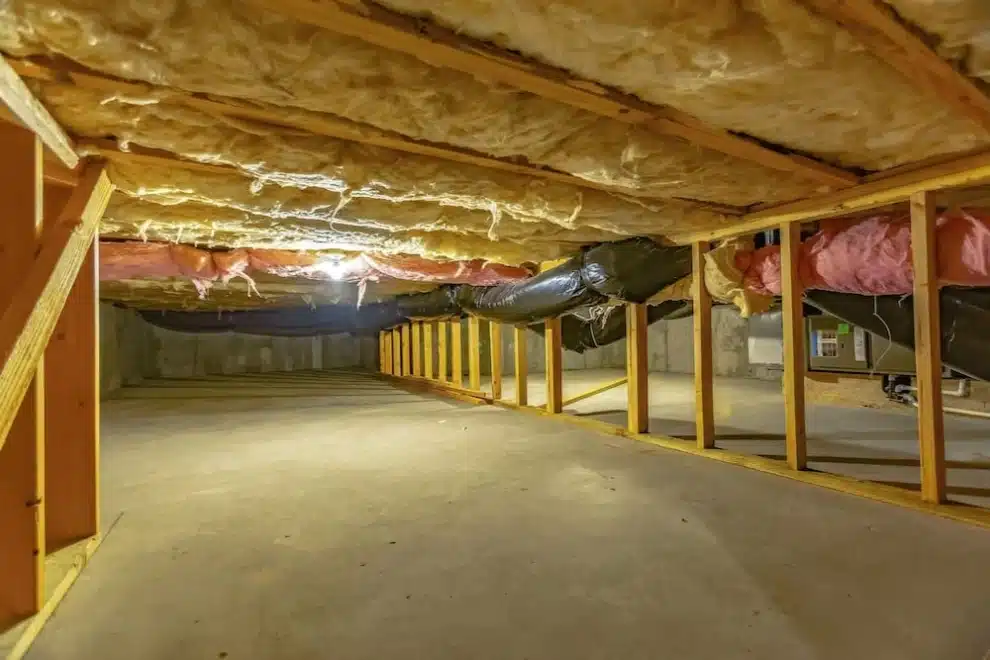
Services Provided for Effective Crawl Space Protection
Makeover Insulation provides multiple services designed to reduce mold risks in crawl spaces:
- Crawl Space Insulation: Installation of appropriate insulation types based on climate and foundation specifics.
- Spray Foam Insulation: Seals gaps and regulates temperature/moisture at the same time.
- Air Sealing: Blocks uncontrolled airflow, lowering humidity and mold risk.
- Insulation Removal: Safe removal of damaged or mold-prone insulation materials before reinstallation.
Common Questions About Crawl Space Insulation and Mold Prevention
How does crawl space insulation help prevent mold growth in humid climates like Atlanta?
Proper crawl space insulation limits condensation and moisture buildup by separating warm, humid air from cool surfaces under your home. This reduces the conditions mold needs to thrive, especially in Atlanta’s high-humidity environment.
Is insulation enough to stop mold, or do I need other solutions?
Insulation is only part of the solution. To effectively prevent mold, it must be combined with air sealing and moisture control—like vapor barriers or encapsulation—especially in vented or damp crawl spaces.
What type of insulation is best for mold control in crawl spaces?
Closed-cell spray foam and encapsulation systems are ideal for crawl spaces in Atlanta. They resist moisture, block air infiltration, and help maintain stable humidity levels that prevent mold growth over time.
Key Takeaways for Mold Prevention Through Crawl Space Insulation
Crawl space insulation is a direct defense against mold growth in Atlanta’s high-humidity environment. The right materials and sealing methods regulate moisture, protect structural integrity, and support healthier indoor air. Pre-inspection and proper installation are critical to effective mold prevention. Regular follow-up inspections ensure the long-term integrity of the insulation.
Contact Makeover Insulation for Expert Help
Makeover Insulation helps Atlanta homeowners reduce mold risks through professionally installed crawl space insulation and air sealing. Contact [email protected] or call (404) 800-0300 for a crawl space evaluation based on your home’s structure and climate exposure.
FAQS
What if the crawl space already has mold?
Insulation should follow mold remediation, not precede it. Identify and eliminate active mold before sealing or insulating the space.
Is encapsulation necessary for all crawl spaces?
Not always. It depends on ventilation, ground moisture, and access points. An assessment determines if encapsulation is beneficial.
Can insulation alone stop mold growth?
No. Insulation is effective when combined with air sealing and moisture control measures.
Should I insulate the floor above or the crawl space walls?
In unvented crawl spaces, insulating the walls and sealing the space yields better long-term results.
How do I maintain crawl space insulation?
Inspect annually for moisture buildup, pest activity, or damage. Add dehumidifiers if needed.