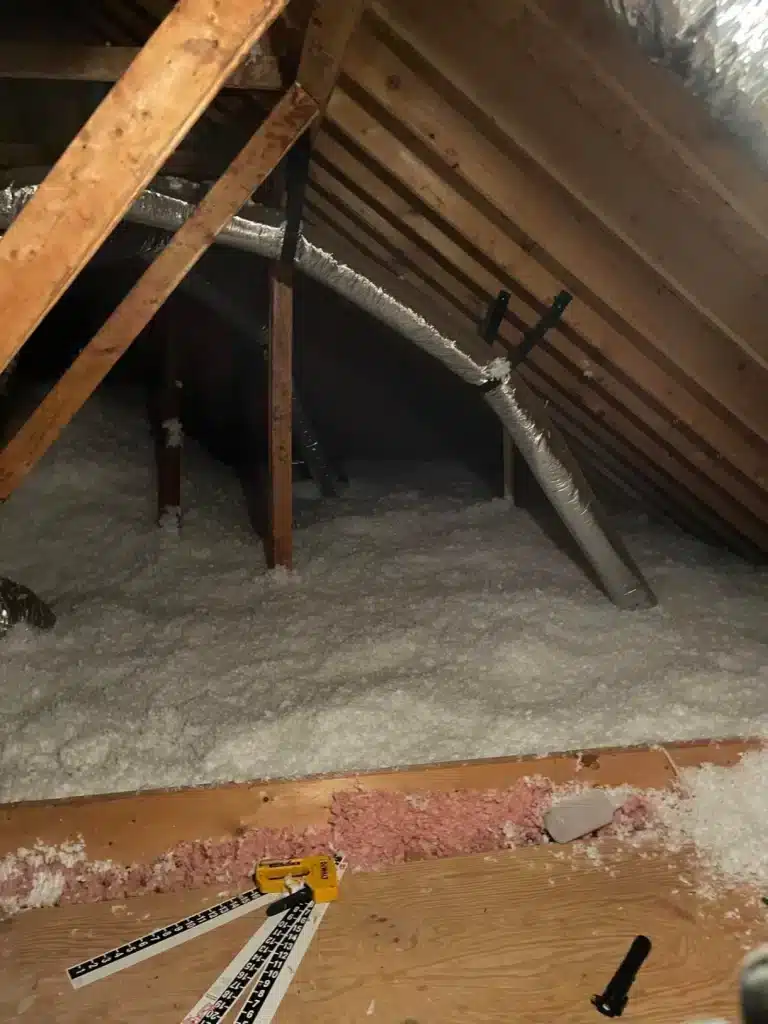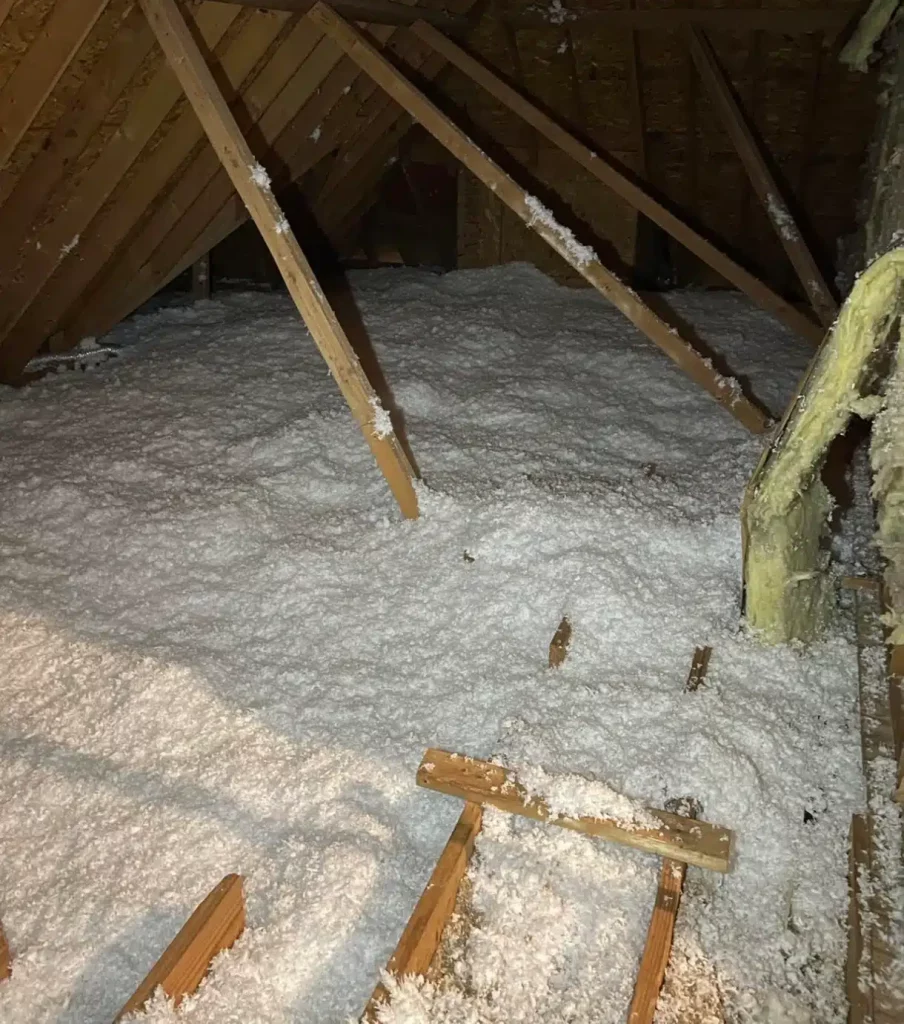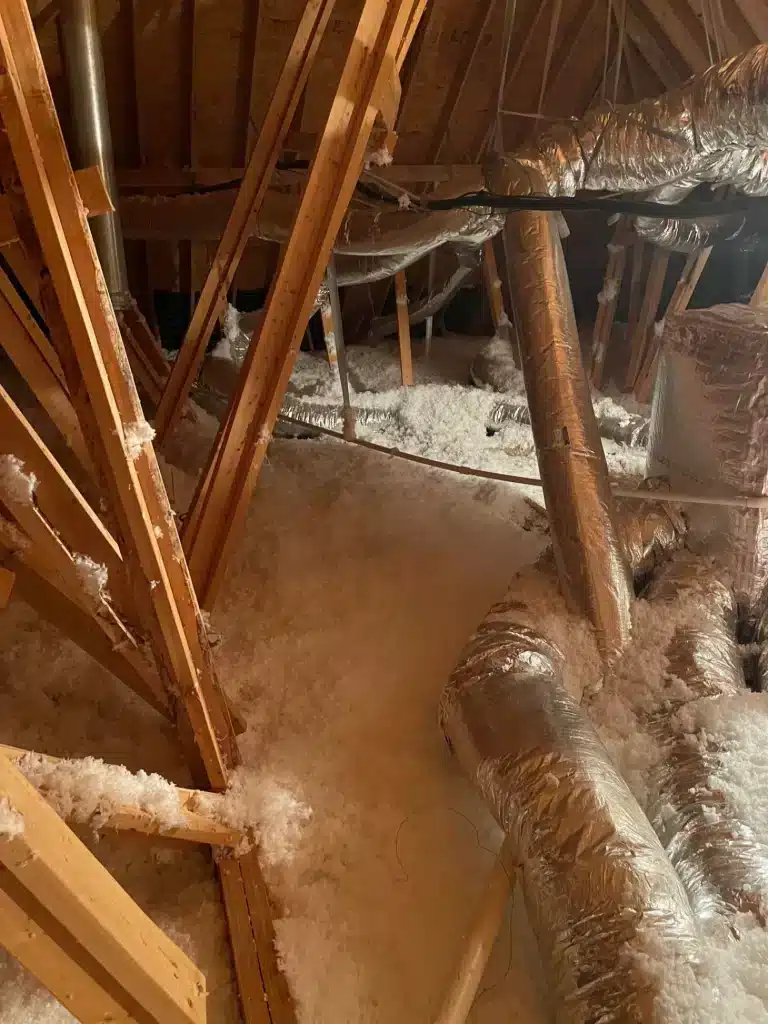

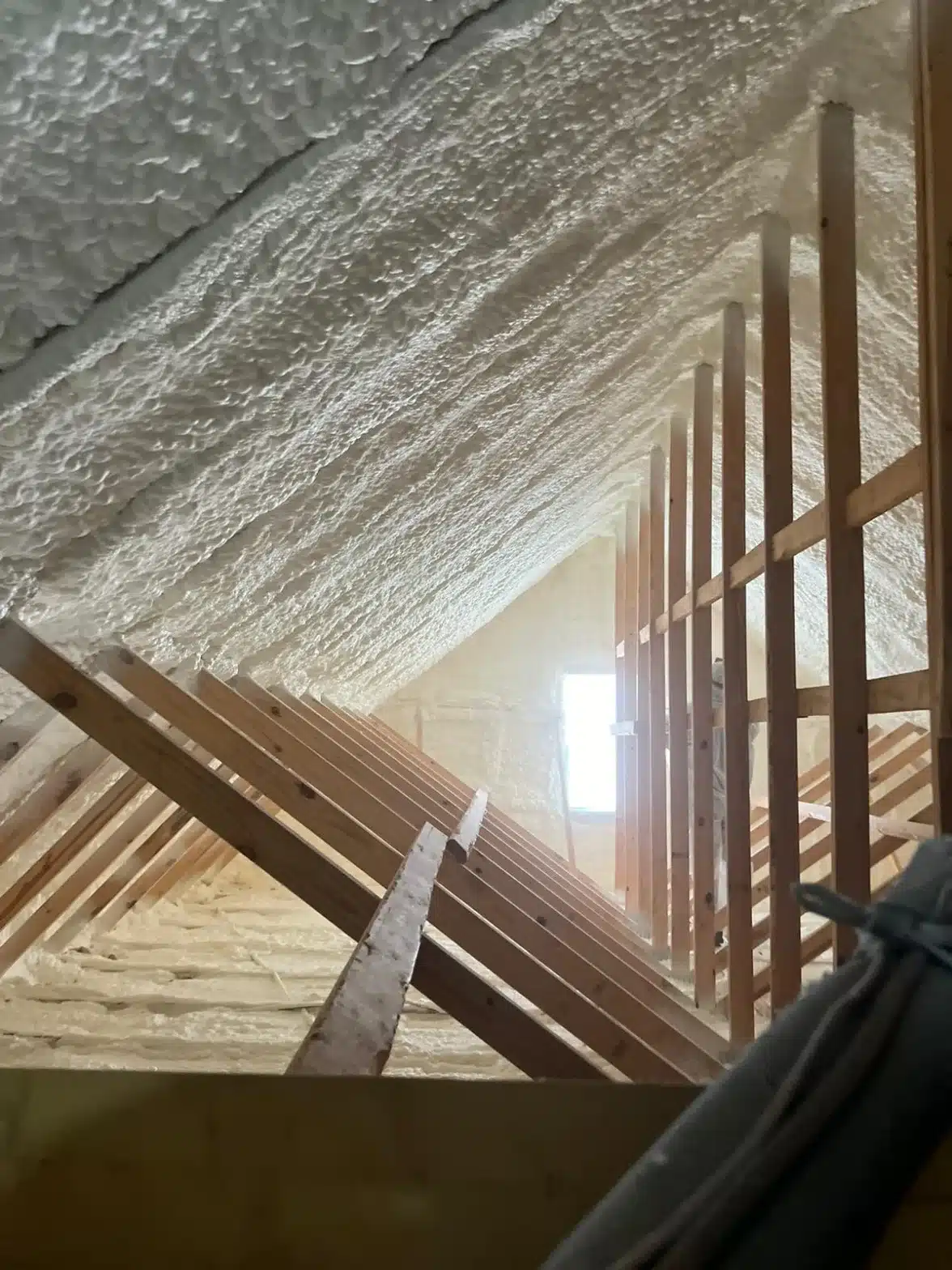
Insulation contractor in Gwinnett County, GA improves energy efficiency by evaluating a building’s thermal envelope and sealing gaps, then installing appropriate insulation materials based on structure, climate, and usage. Techniques include air sealing, thermal bridging reduction, and targeted insulation upgrades. These steps reduce energy waste, stabilize indoor temperature, and lower HVAC system strain.
Homes in this region face hot summers and variable winters. Contractors prioritize strategies that reduce heat gain during summer and retain warmth during colder months. Effective insulation installation in attics, walls, crawl spaces, and floors ensures year-round energy conservation. This article outlines the core practices and materials used, including performance comparisons, key decision factors, and practical implementation insights.
Insulation Methods That Deliver Results
Material Selection Based on Building Zones
Insulation contractor assess zone-specific needs. For example, attics require high R-value insulation to block roof heat transfer. Crawl spaces often need vapor control alongside thermal resistance.
| Application Area | Common Materials Used | Typical R-Value Per Inch | Primary Goal |
|---|---|---|---|
| Attic | Blown-in fiberglass | R-2.2 to R-2.7 | Prevent heat gain/loss |
| Wall Cavities | Batt or spray foam | R-3.1 to R-6.5 | Maintain indoor wall insulation |
| Crawl Space | Closed-cell spray foam | R-6.0 to R-7.0 | Moisture & temperature control |
| Floor (Over Crawl) | Batt fiberglass or foam | R-3.2 to R-6.0 | Reduce cold-floor transmission |
Bonus Tip: In older Gwinnett County homes, cellulose is often used in wall retrofits due to its higher density and sound-dampening qualities.
Air Sealing to Block Infiltration
Insulation alone can’t stop energy loss if air leaks remain unsealed. Insulation contractor performs blower door tests and thermal imaging to locate leakage points. Air sealing is applied to ducts, attic penetrations, rim joists, and around doors/windows.
| Leakage Area | Recommended Sealing Approach |
|---|---|
| Duct connections | Mastic sealant or foil tape |
| Attic gaps | Expanding foam or caulking |
| Crawl space vents | Foam board with sealant |
| Rim joists | Spray foam or rigid foam panels |
Bonus Tip: Use air sealing in combination with attic insulation upgrades for a measurable drop in HVAC runtime.
Building Science: Climate-Specific Decisions
Gwinnett County falls in Zone 3 according to DOE climate maps. This zone requires moderate insulation with emphasis on summer cooling.
| Climate Zone | Recommended Attic R-Value | Wall R-Value Range | Notable Seasonal Concern |
|---|---|---|---|
| Zone 3 | R-30 to R-49 | R-13 to R-21 | High summer cooling demand |
Source: U.S. Department of Energy (energycodes.gov)
Bonus Tip: Prioritize radiant barrier or reflective roof sheathing in attics for added heat reflection in peak summer months.
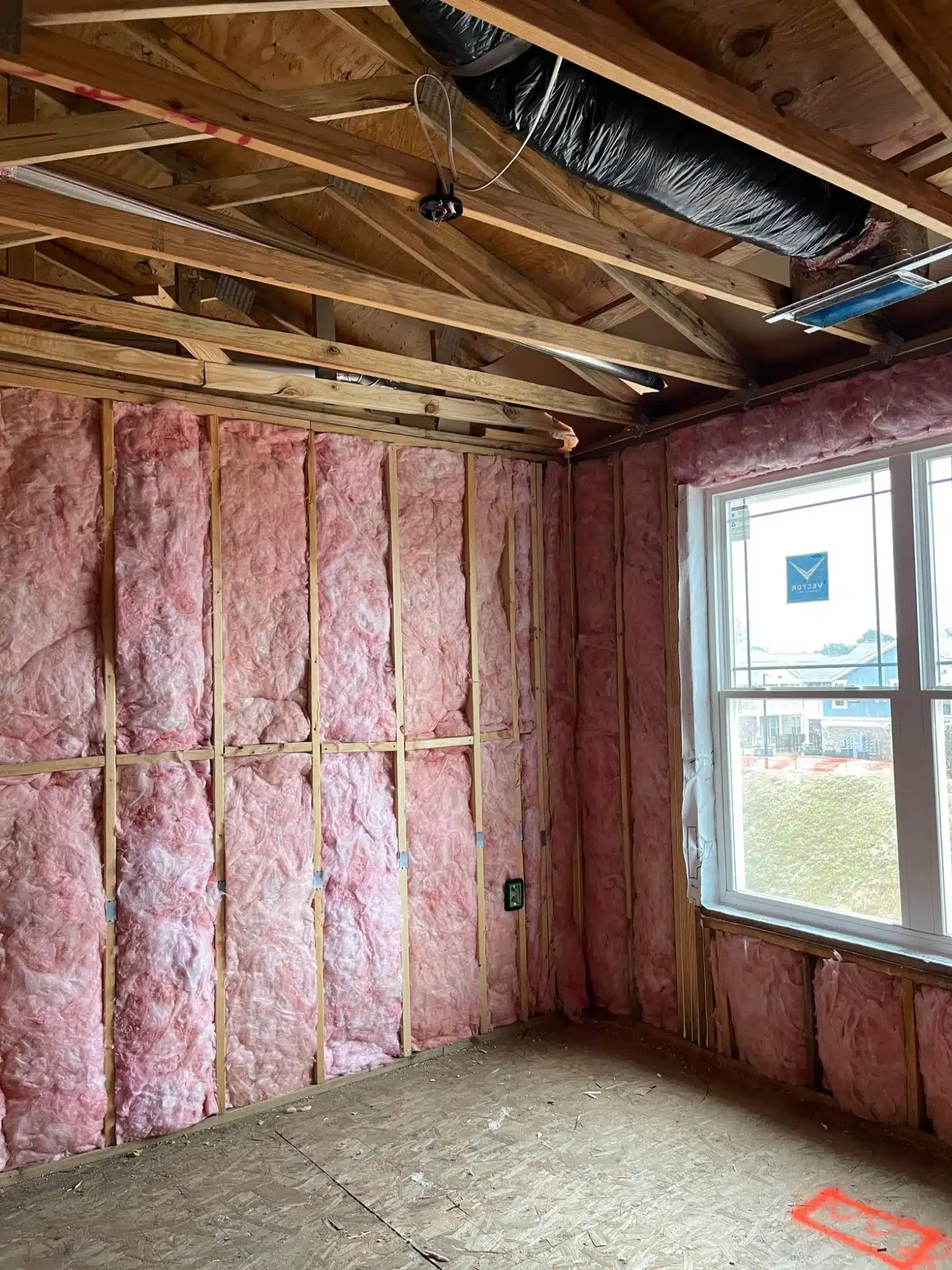
What to Check Before Making a Choice
- Home Age and Structure: Older homes often lack modern air barriers or vapor controls.
- HVAC Performance: Inefficient systems may overcompensate for poor insulation.
- Moisture Levels: Crawl spaces and basements with humidity issues need specialized materials.
- Existing Insulation Type: Not all materials can be layered or mixed effectively.
Makeover Insulation Offers These Core Solutions
- Attic Insulation: Prevents seasonal temperature loss and keeps indoor comfort consistent.
- Spray Foam Insulation: Ideal for crawl spaces and rim joists where air sealing and insulation are both required.
- Blown-In Insulation: Covers large attic areas quickly with minimal disruption.
- Insulation Removal: Clears deteriorated or contaminated insulation to restore effectiveness.
Questions That Come Up Before Getting Started
How long does insulation installation take?
Most attic or wall insulation jobs are completed within one day. Crawl space or spray foam work may take longer due to curing time.
Can existing insulation be reused or topped off?
Yes, but only if it’s in good condition and compatible with the new material. Wet, damaged, or compressed insulation should be removed.
What’s the difference between cellulose and fiberglass?
Cellulose offers better sound dampening and higher density; fiberglass is more common and slightly more affordable.
Will insulation reduce HVAC costs?
Yes. Improved thermal control reduces system workload, which may lower monthly energy use and prolong equipment life.
Final Thoughts
Insulation contractor in Gwinnett County, GA achieves energy efficiency by focusing on thermal performance and airtight construction. Material choice, application method, and integration with HVAC systems are based on regional climate and structural needs. Results depend on careful assessment and proper execution.
Long-term efficiency requires understanding building dynamics, verifying existing conditions, and applying upgrades that align with local energy goals.
Contact Makeover Insulation for Professional Guidance
For region-specific insulation services backed by field experience, contact Makeover Insulation. Call (404) 800-0300 or email [email protected] to discuss your home’s energy performance needs. Technical support is available to help plan upgrades tailored to Gwinnett County conditions.
Answers to Long-Term Use and Maintenance Questions
How often should insulation be inspected?
Every 3-5 years or after any roofing, plumbing, or pest event that might affect attic or wall areas.
Can insulation lead to indoor air quality issues?
Only if improperly installed. Vapor barriers and ventilation must be maintained to prevent moisture buildup.
What causes insulation to degrade?
Moisture, pests, UV exposure (in vented attics), and compression from storage or foot traffic.
Is insulation maintenance required?
It rarely requires maintenance, but areas like crawl spaces may benefit from regular checks to spot water or pest issues.
Can insulation performance be measured after install?
Yes. Infrared scanning or post-install blower door testing can confirm improvements in air sealing and thermal resistance.