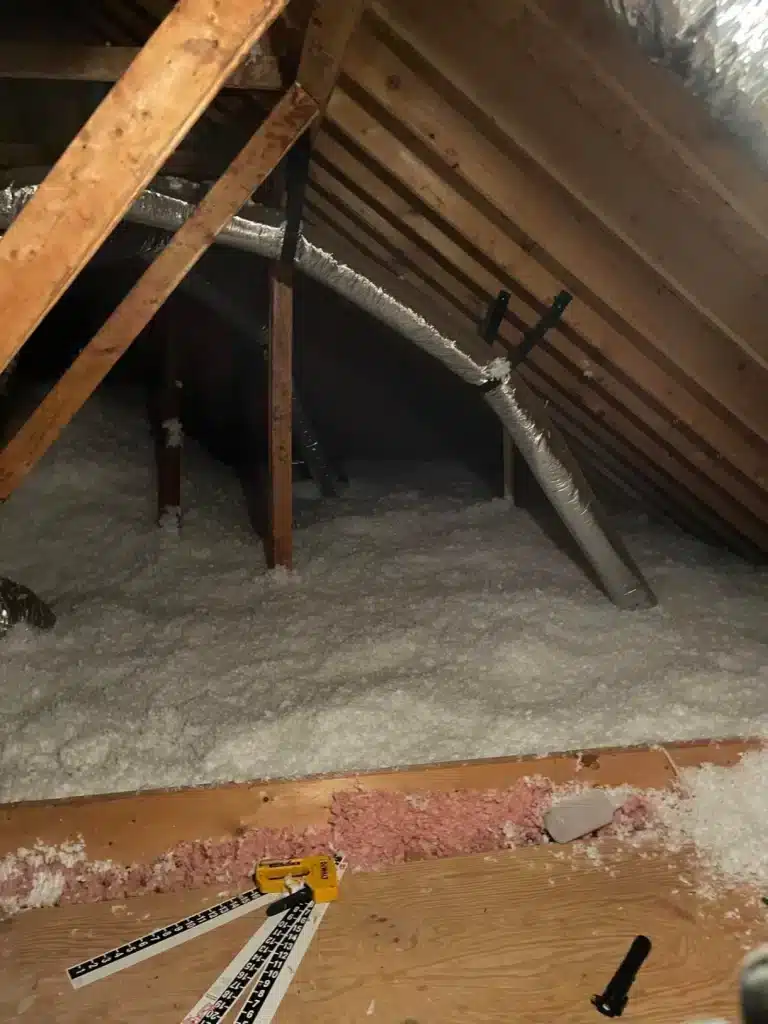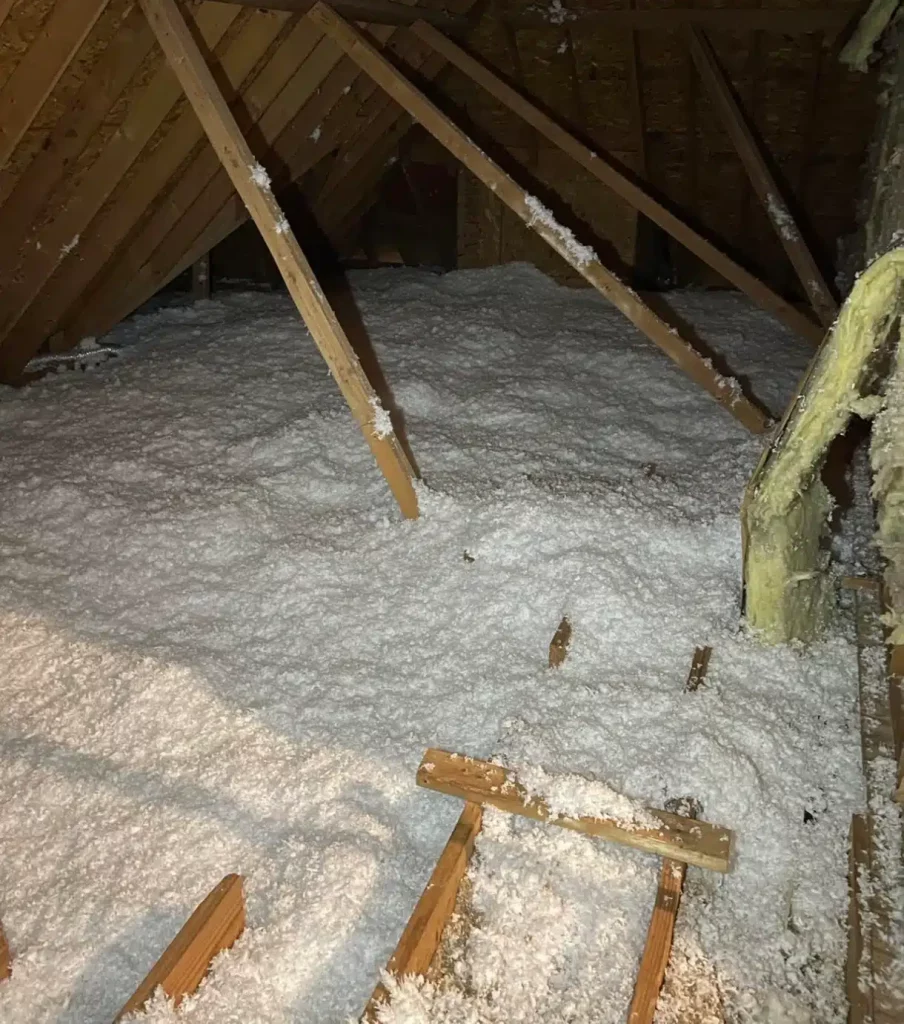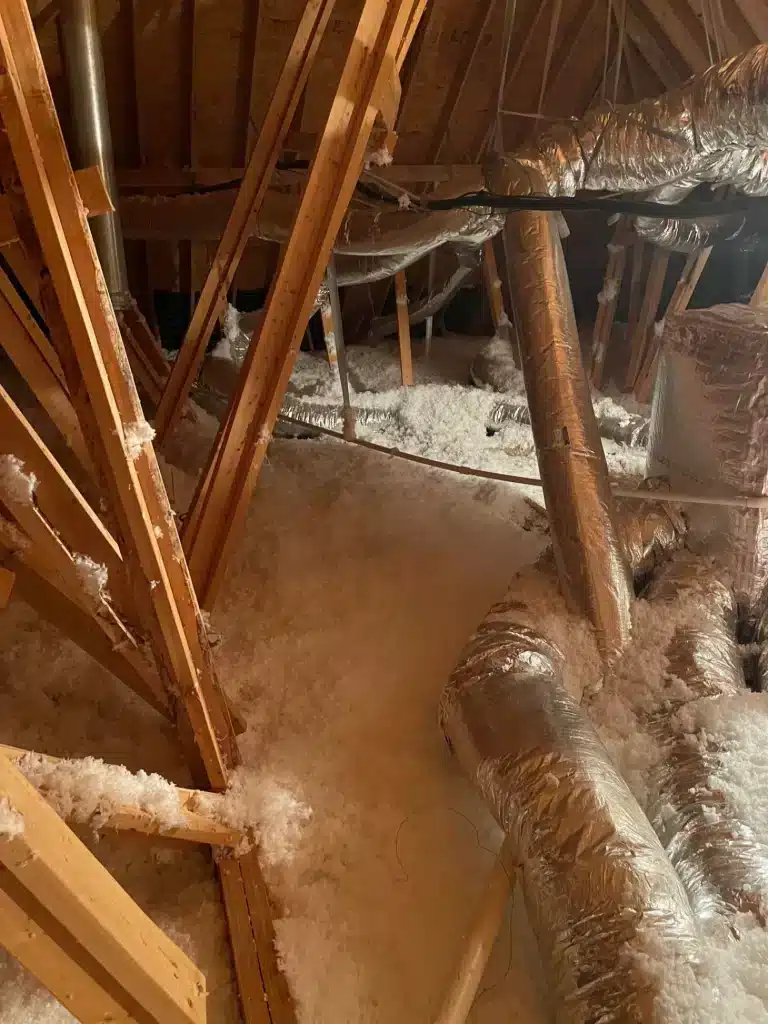

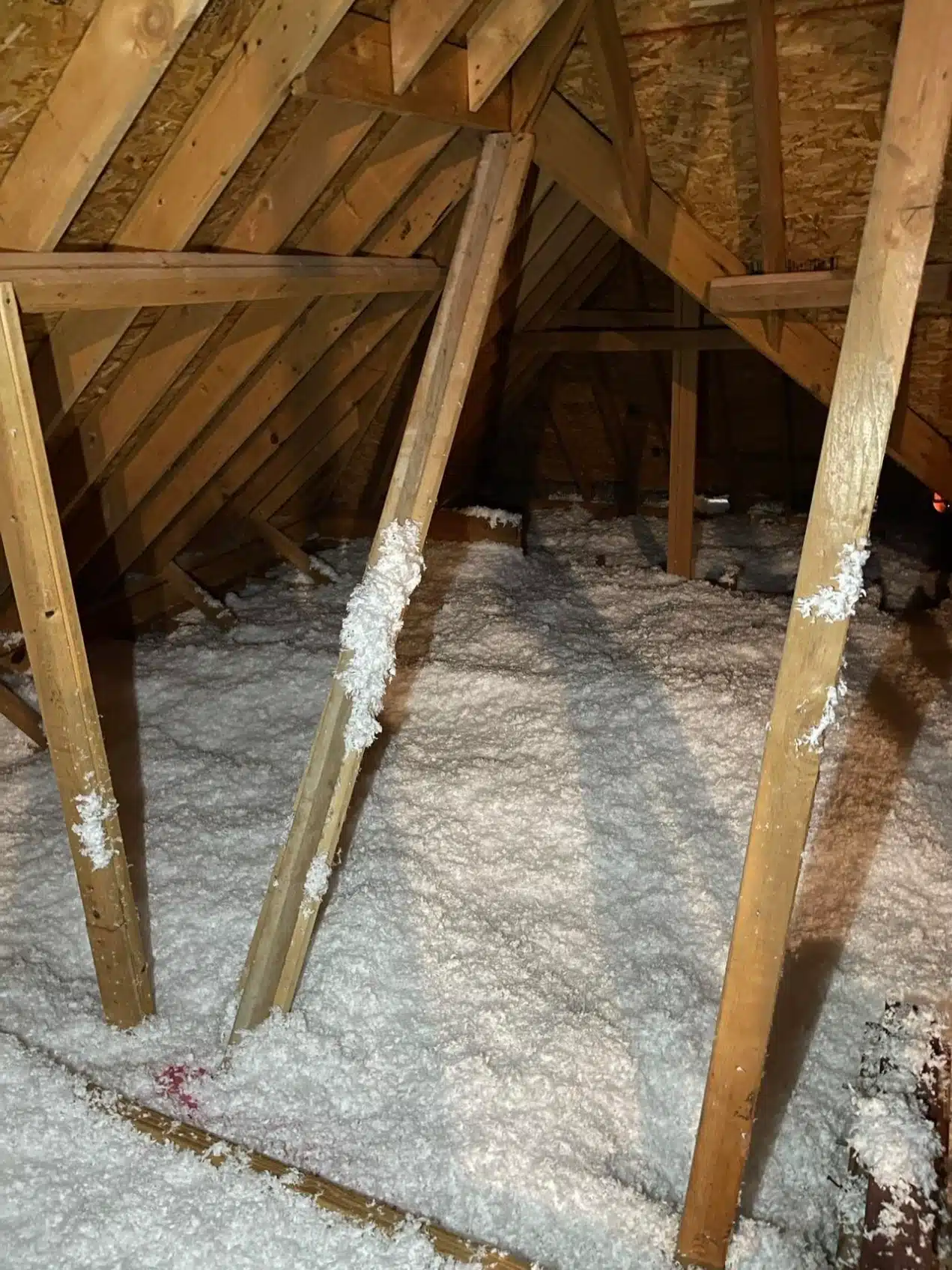
Inspecting insulation effectiveness begins with checking visible areas for wear, gaps, or moisture intrusion. In Lawrenceville, GA, attic insulation and crawl space conditions should be assessed seasonally due to humid summers and chilly winters. Use infrared thermography or R-value checks to detect uneven insulation or thermal leaks. Compare current material type and depth with local recommendations for residential efficiency.
A comprehensive evaluation includes looking for signs of air leakage, compacted or degraded materials, and pest damage. Makeover Insulation relies on experience with regional building standards and thermal behavior under Georgia’s climate to determine actual insulation performance beyond nominal specifications.
Key Indicators of Insulation Performance
Visual Checks and Physical Signs
- Moisture spots or mold on walls or attic sheathing
- Temperature imbalances between rooms or floors
- High energy bills despite minimal HVAC use
- Drafts near walls, outlets, or ceiling fixtures
Recommended Testing Methods
| Inspection Method | What It Detects | Tools Required | Suitability for DIY |
|---|---|---|---|
| Infrared Thermography | Heat loss/cold spots | Infrared camera | Moderate |
| R-value Measurement | Material effectiveness | Ruler, reference charts | High |
| Blower Door Test | Air leakage points | Blower door system | Low (professional use) |
| Smoke Pen Testing | Minor air leaks | Smoke pencil or incense | High |
Bonus Tip: Infrared scanning is more accurate during peak temperature differences—early morning or late evening in Georgia summers.
Material Performance and Degradation Data
| Insulation Type | Expected R-Value per Inch | Moisture Resistance | Common Issues Over Time |
|---|---|---|---|
| Fiberglass (Blown-In) | R-2.2 to R-2.7 | Low | Settling, moisture absorption |
| Cellulose (Blown-In) | R-3.2 to R-3.8 | Moderate | Compression, rodent nesting |
| Spray Foam (Closed Cell) | R-6.0 to R-6.5 | High | Shrinkage with poor application |
| Batt (Fiberglass) | R-3.1 to R-3.4 | Low | Gaps from poor fit or compression |
Bonus Tip: Compressed insulation loses effectiveness. Always check depth consistency when inspecting batt or blown-in insulation.
Local Climate Considerations for Lawrenceville, GA
- Humidity: Summer moisture increases the risk of mold and degradation in fiberglass and cellulose.
- Temperature Extremes: Wide temperature ranges require higher R-values in attics and crawl spaces.
- Pest Activity: Rodents commonly enter attic or wall insulation through minor structural gaps.
Integrated Market Data
- According to the U.S. Department of Energy, 90% of U.S. homes are under-insulated (DOE)
- ENERGY STAR recommends R-38 to R-60 for attic insulation in Georgia climate zones
Factors to Review Before Evaluating or Replacing Insulation
- Age of Insulation: Materials over 15 years old often show efficiency loss
- Past Water Intrusion: Prior roof or plumbing leaks compromise insulation
- HVAC Behavior: Short cycling or overuse may indicate poor thermal resistance
- Presence of Vapor Barriers: Check if existing insulation includes moisture control layers
- Material Compatibility: New insulation must not trap moisture against older materials
Bonus Tip: Before reinsulating, confirm all air sealing is complete. Sealing leaks first prevents recurring issues.
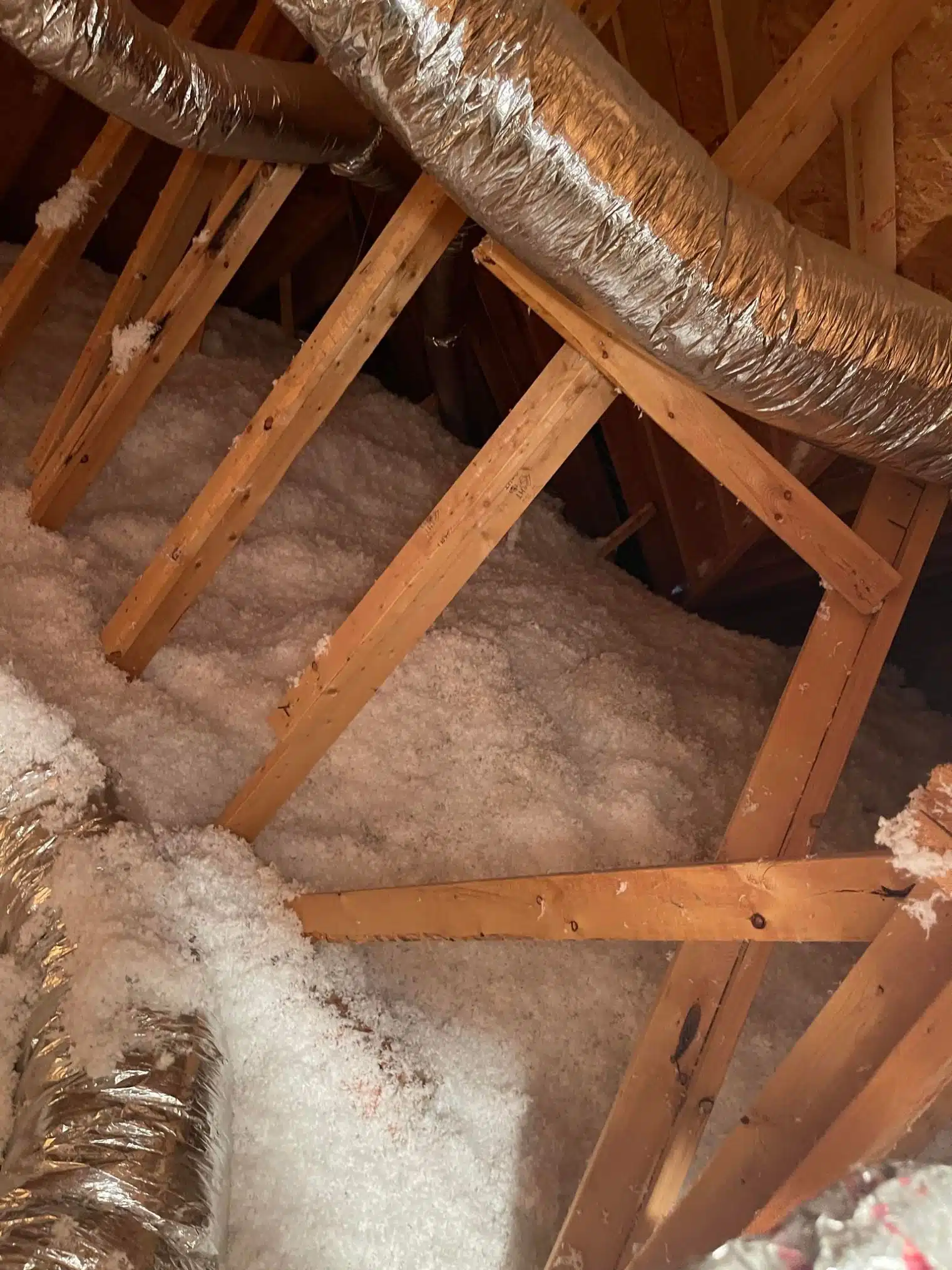
Services That Support Inspection and Resolution
Makeover Insulation offers targeted services that address performance issues found during inspection:
- Blown-In Insulation (Fiberglass/Cellulose): Fills attic and wall cavities to improve thermal coverage.
- Spray Foam Insulation: Air-sealing and high R-value solution for attics and crawl spaces.
- Insulation Removal: Safe extraction of degraded or contaminated insulation.
- Air Sealing: Targets leaks in attics, walls, and crawl spaces before reinsulating.
Common Questions About Insulation Inspection in Lawrenceville, GA
How can I tell if my home’s insulation is underperforming?
Look for uneven room temperatures, high energy bills, visible mold or moisture spots, and drafts around walls or outlets. These are common signs of insulation failure, especially in Georgia’s humid climate.
Do I need professional tools to check my insulation?
Not always. You can do a basic inspection by checking material depth, spotting gaps, and using simple tools like a smoke pen for drafts. However, infrared thermography and blower door tests offer more accurate results and are best handled by professionals.
Should old insulation always be removed before adding new?
Only if it’s wet, moldy, rodent-damaged, or compressed. In good condition, some materials can be layered. A professional can advise whether removal or reinforcement is the better option for your home.
Summary Takeaways
Start by checking visible signs of poor insulation like mold, drafts, and uneven temperatures. Confirm insulation depth and condition against recommended standards. Use targeted tools infrared scanning, smoke testing, and R-value measurements for accurate results. Georgia climate demands high attic R-values and moisture-resistant materials. Match new insulation to existing structure and seal leaks beforehand to maximize efficiency.
Talk to Makeover Insulation
To verify insulation performance or schedule professional testing in Lawrenceville, GA, contact Makeover Insulation at (404) 800-0300 or email [email protected]. The team uses proven methods to evaluate material effectiveness and recommend changes that match local conditions and structure types. Accurate assessment today avoids long-term energy loss and comfort issues.
See how our team is helping more homeowners across Georgia improve energy efficiency and comfort with upgraded insulation services.
FAQS
How long should insulation last?
Depends on type: fiberglass (20-30 years), cellulose (20-25), spray foam (30+ with proper application).
Can I tell if insulation is working without special tools?
Yes. Temperature differences between floors, draftiness, or excessive HVAC use often point to poor insulation.
Should I remove old insulation before adding new?
Only if it’s damaged, moldy, wet, or infested. Otherwise, layering can be effective.
Does attic insulation affect wall or floor temperature?
Yes. Heat escapes through the roof; poor attic insulation can cause cold walls or floors below.
How to prevent future insulation breakdown?
Control moisture, inspect roofs and pipes yearly, and monitor attic ventilation.