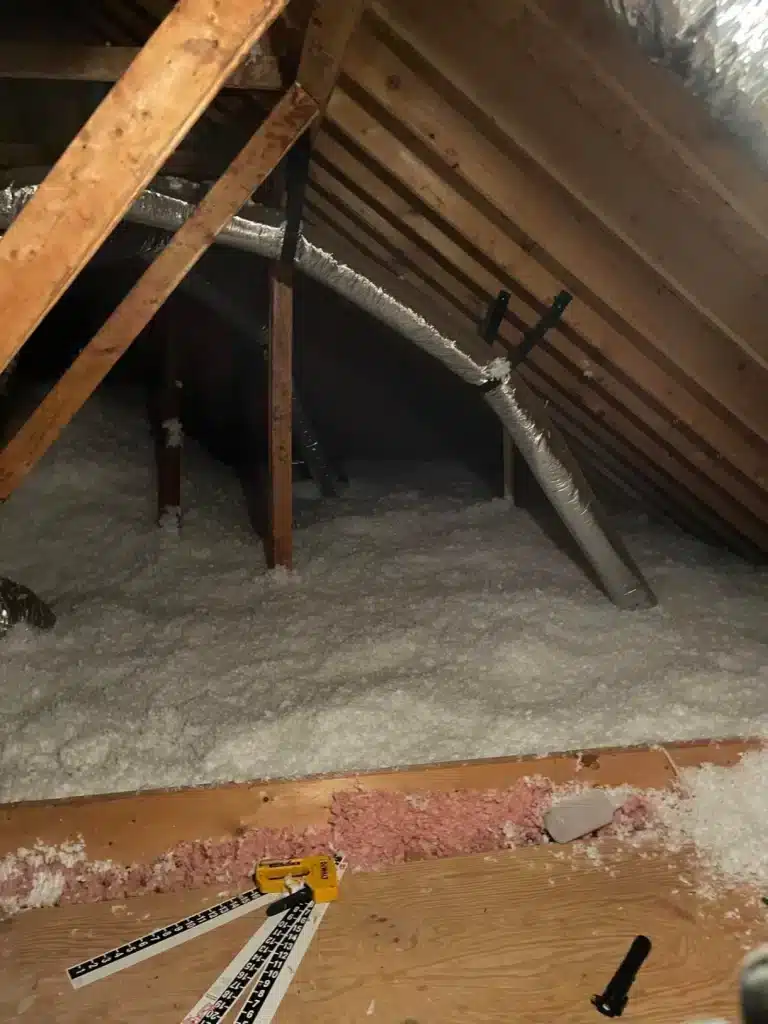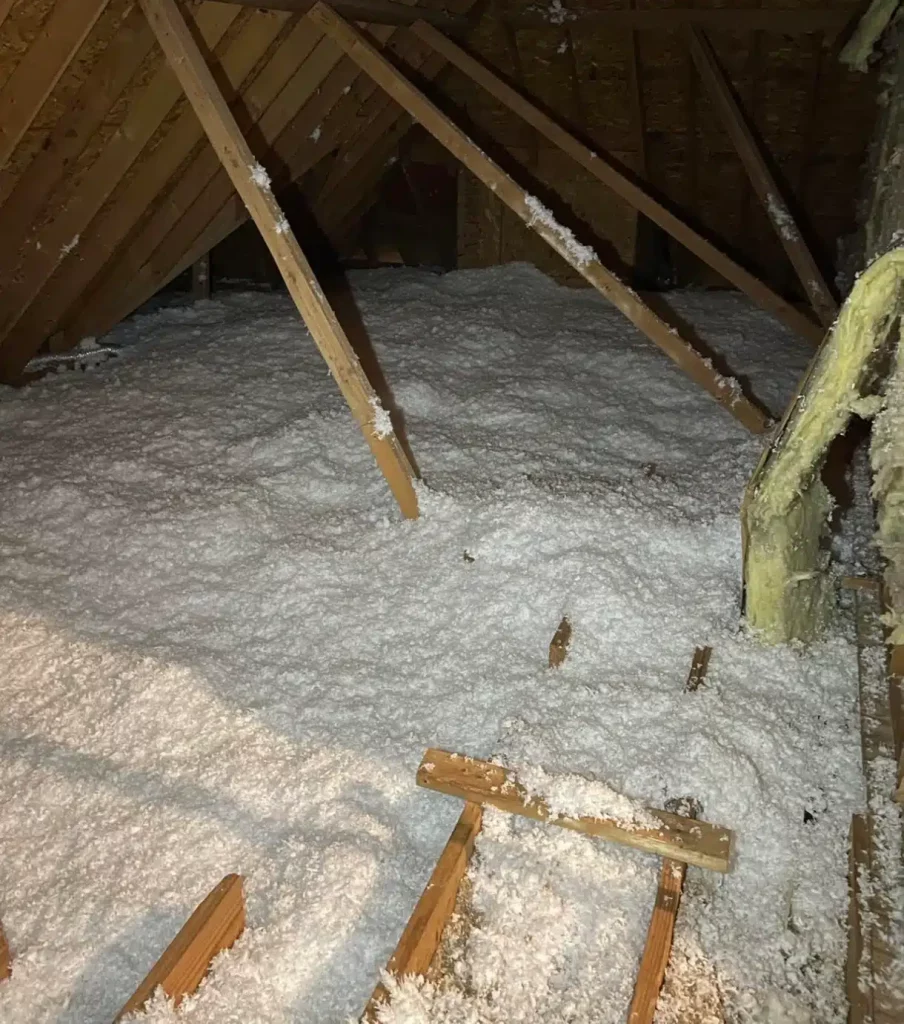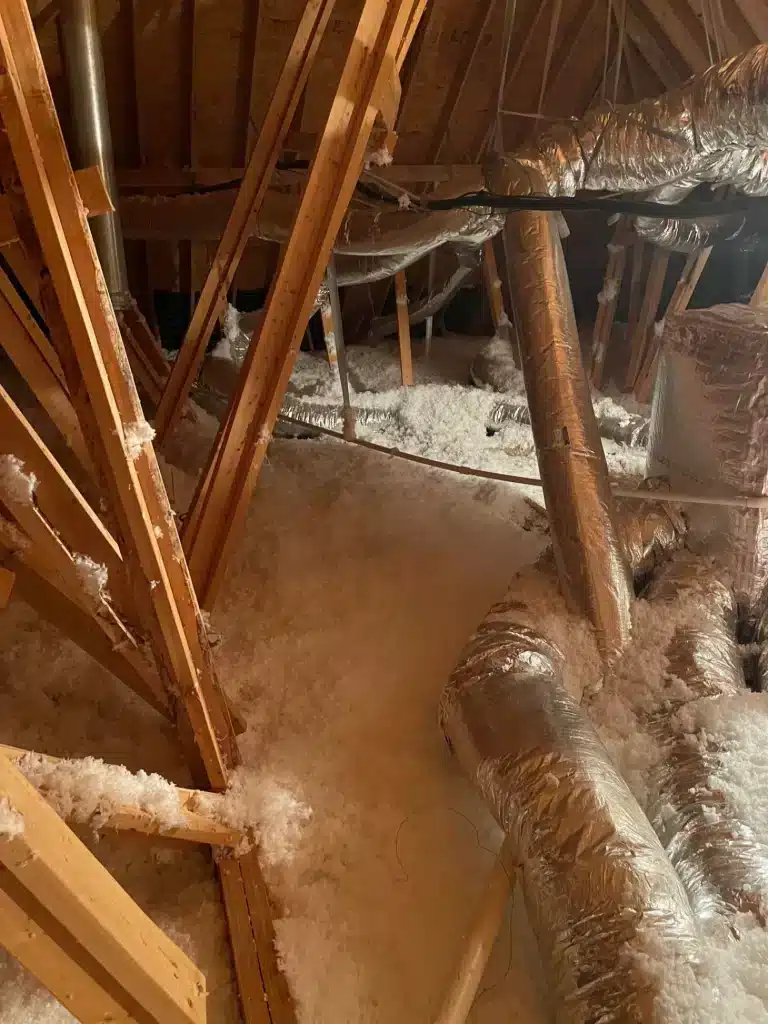

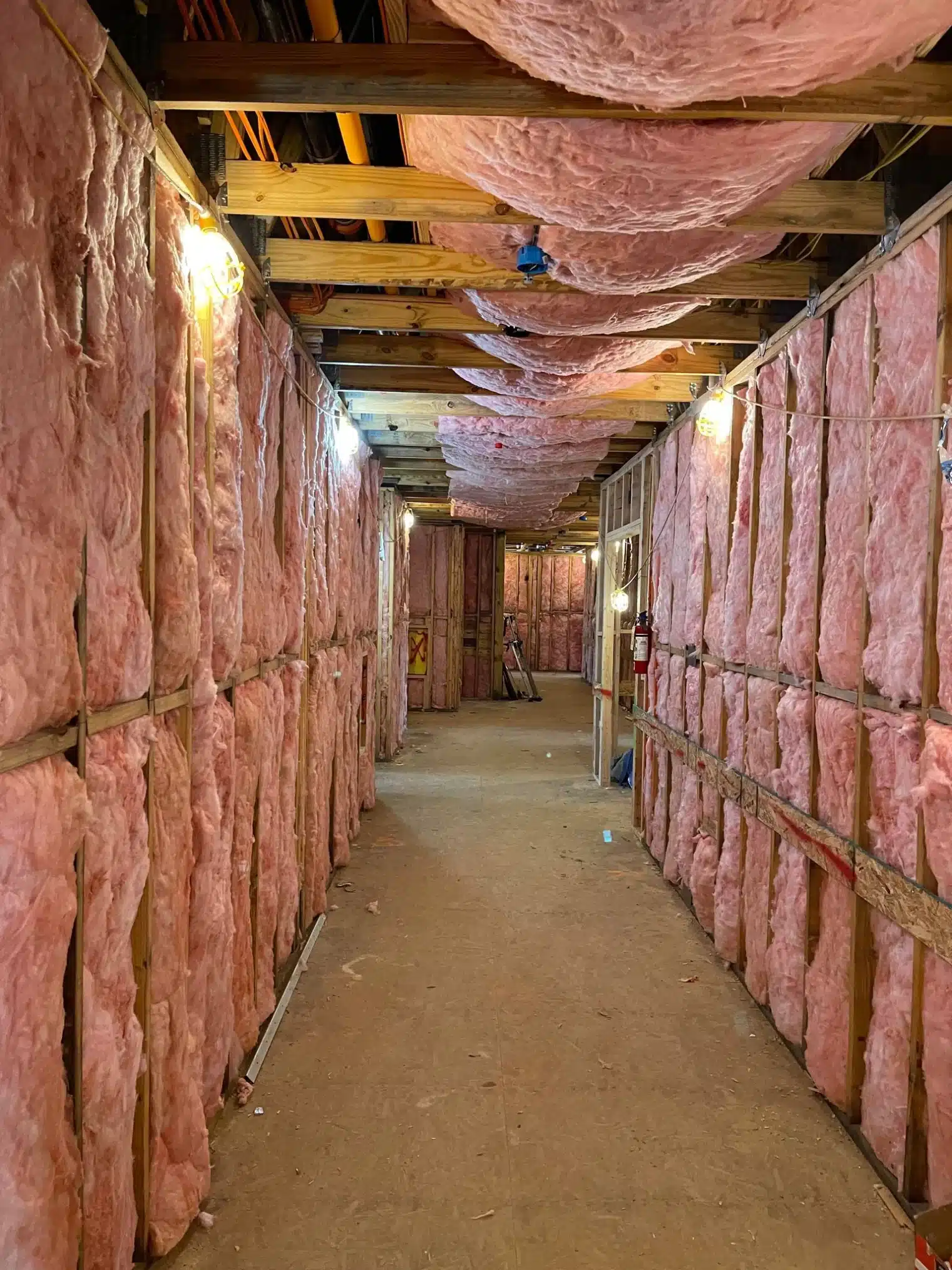
Batt insulation is energy-efficient when installed correctly and matched to the local climate. In Norcross, GA, its effectiveness hinges on selecting the appropriate R-value and ensuring continuous thermal coverage. For residential properties, the Department of Energy recommends attic insulation rated at R-38 to R-60 and floor insulation rated at R-25 to R-30 in Zone 3, which includes Norcross.
The insulation’s ability to resist heat flow is defined by its R-value. Higher R-values offer better thermal performance. Batt insulation typically ranges from R-11 to R-38, depending on thickness and material composition. For this region, energy savings can be significant if insulation is chosen based on building layout, orientation, and existing thermal inefficiencies.
Makeover Insulation relies on field-tested methods and local climate data to recommend materials with proven efficiency across seasonal shifts in the Southeastern U.S.
Understanding R-Value Performance in Norcross
R-value measures resistance to heat flow; the higher the number, the better the thermal performance. Norcross lies in Climate Zone 3, where summers are hot and humid, and winters are mild. Homes in this area must be insulated to both retain heat in winter and block heat gain in summer.
| Batt Insulation Type | Thickness (inches) | Typical R-Value | Suitable Location | Thermal Efficiency Notes |
|---|---|---|---|---|
| Fiberglass (R-11) | 3.5″ | R-11 | Interior walls | Moderate efficiency, common for noise control |
| Fiberglass (R-19) | 6.25″ | R-19 | Floors, crawl spaces | Adequate for Norcross floors |
| Fiberglass (R-30) | 9.5″ | R-30 | Attics (Zone 3 minimum) | Improves HVAC efficiency in older homes |
| Mineral Wool (R-23) | 5.5″ | R-23 | Exterior walls, basements | Higher fire resistance and sound control |
Material Differences Impacting Efficiency
Material selection significantly affects long-term performance. Fiberglass is the most widely used, but mineral wool offers superior sound dampening and moisture resistance. These variations influence thermal performance, especially in crawl spaces or damp areas prone to mold growth.
| Material Type | Fire Resistance | Moisture Resistance | Common Applications | Lifespan (Years) |
|---|---|---|---|---|
| Fiberglass | Moderate | Low | Walls, attics, floors | 30-50 |
| Mineral Wool | High | High | Basements, exterior walls | 30-60 |
| Cotton (Denim) | Low | Moderate | Non-structural wall cavities | 20-30 |
Bonus Tip: In humid climates like Norcross, combine batt insulation with air sealing to prevent moisture intrusion and energy loss.
Climate-Based Installation Considerations
In Norcross, insulation must withstand high summer humidity and moderate winter chill. Improperly installed batt insulation can sag or leave gaps, undermining energy savings. Key installation points include:
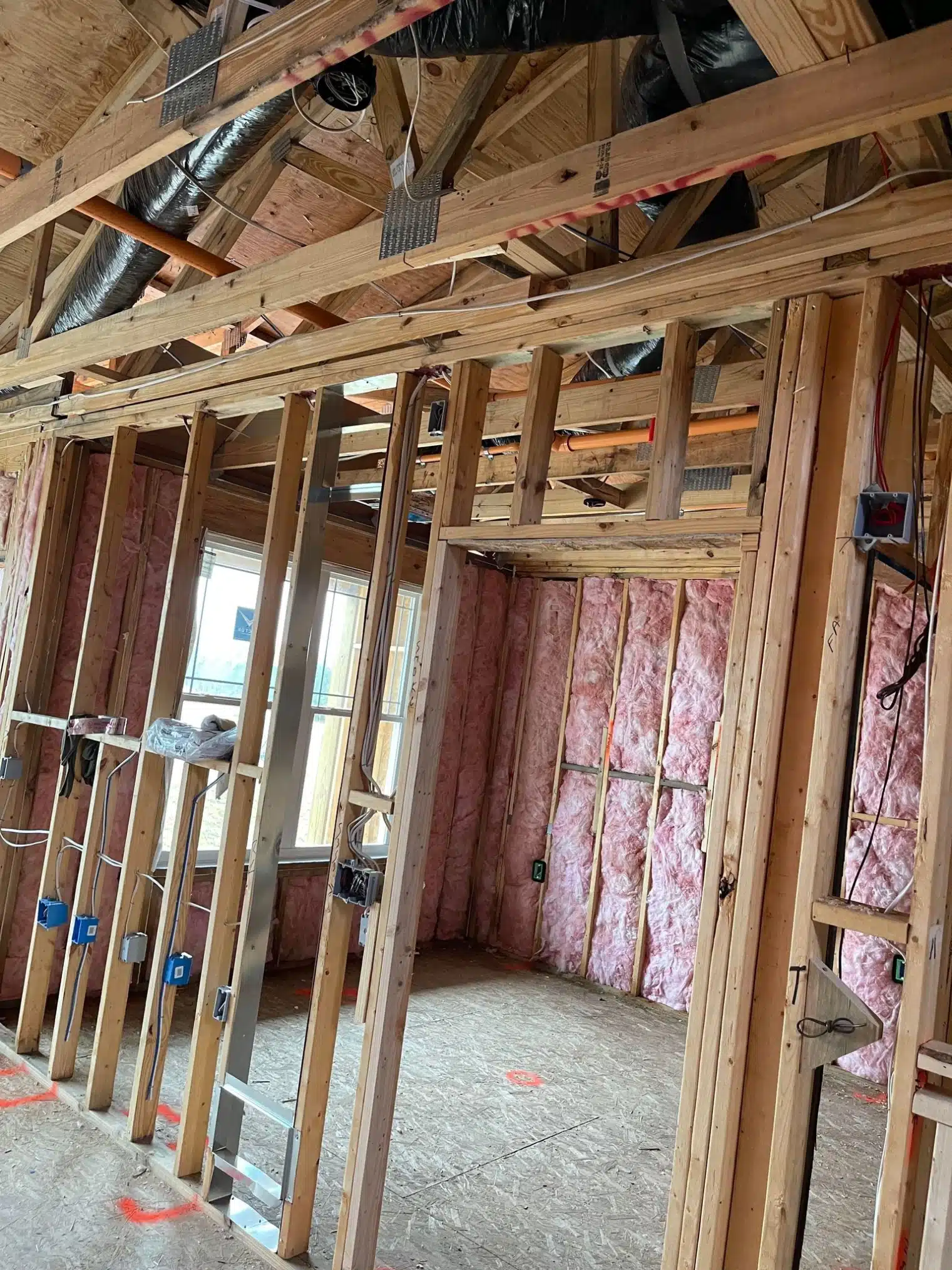
- Continuous contact with framing cavities to avoid air pockets
- Secure fastening to prevent settling
- Vapor retarders where humidity infiltration is common
Bonus Tip: For crawl spaces in Norcross homes, adding rigid board insulation along with batt can address moisture and thermal loss more effectively than batt alone.
Practical Considerations Before Choosing Batt Insulation
Before making a decision, property owners in Norcross should:
- Evaluate the condition of current insulation
- Conduct a blower door or thermal imaging test to detect air leaks
- Assess ventilation to avoid trapping moisture
- Match R-value recommendations to climate zone standards
Improper insulation can lead to inconsistent indoor temperatures, higher HVAC strain, and premature wear of home systems.
Relevant Services from Makeover Insulation
Makeover Insulation provides targeted insulation solutions aligned with the needs of homes in Norcross, GA:
- Batt Insulation: Installation for walls, floors, and attics using code-compliant R-values for Zone 3.
- Air Sealing: Prevents conditioned air from escaping through gaps, improving batt performance.
- Crawl Space Insulation: Combines batt with vapor barriers for damp areas below the home.
- Insulation Removal: Safely eliminates outdated or damaged insulation prior to upgrades.
Common Questions About Batt Insulation Efficiency in Norcross, GA
Is batt insulation energy-efficient in a humid climate like Norcross?
Yes—when properly installed and combined with air sealing, batt insulation can perform well in Norcross. Choosing the correct R-value for Zone 3 and ensuring full cavity coverage are key to maximizing energy efficiency in hot, humid summers and mild winters.
What R-value should I use for attic and floor insulation in Norcross?
For Climate Zone 3, the Department of Energy recommends R-38 to R-60 for attics and R-25 to R-30 for floors. These values help reduce heat gain in summer and retain warmth in winter, improving HVAC efficiency and indoor comfort.
Can batt insulation be used in crawl spaces?
Yes, but only when paired with moisture control strategies like vapor barriers or rigid board insulation. In Norcross’s humid climate, moisture intrusion is common in crawl spaces, so additional measures are necessary to maintain batt insulation performance over time.
Final Insights on Efficiency and Application
Batt insulation provides effective thermal resistance for homes in Norcross when installed correctly and selected based on building structure and regional climate. R-value is only one factor moisture management, air sealing, and correct placement are equally critical to ensure performance longevity.
Homeowners benefit from evaluating current insulation condition, verifying the suitability of batt material, and planning installation for continuous thermal coverage.
Contact Makeover Insulation for a Practical Assessment
For expert guidance based on Norcross-specific conditions, contact Makeover Insulation at (404) 800-0300 or email [email protected]. Speak with experienced technicians about batt insulation options that meet local performance standards and energy goals.
FAQS
How long does batt insulation last?
Fiberglass batts can last 30–50 years if kept dry and undisturbed. Mineral wool lasts slightly longer.
Can batt insulation be installed over existing insulation?
Only if the original insulation is dry, mold-free, and still functional. Otherwise, removal is recommended.
Is batt insulation effective in crawl spaces?
Yes, when paired with proper sealing and vapor control. Otherwise, performance drops due to moisture intrusion.
Should I use faced or unfaced batt insulation?
Use faced batts where vapor control is needed (e.g., exterior walls). Use unfaced when adding to existing insulation.