
Imagine walking into a home where drafts disappear, energy bills drop noticeably, and every room stays comfortable year-round. That’s the promise of spray foam insulation, a material that seals air leaks and adds a strong barrier against heat and cold. If you’ve ever felt frustrated by uneven temperatures or rising utility costs, this guide addresses those issues head-on.
Spray foam insulation is a versatile product made from polyurethane chemicals that expand into a foam when sprayed. It fills gaps, cracks, and cavities in walls, roofs, and floors, creating an airtight seal. Unlike traditional fiberglass batts or blown-in cellulose, spray foam adheres directly to surfaces and hardens quickly, offering superior performance in energy efficiency and moisture control. Homeowners and builders turn to it because it tackles common problems like poor insulation in older homes or the need for durable protection in new constructions.
This guide draws from years of hands-on work installing spray foam across residential and commercial projects. You’ll find practical details that go beyond basic overviews, helping you decide if it’s right for your space. By the end, you’ll gain practical insights into applying it effectively everywhere from attics to basements.
Here’s what you’ll learn:
- The basics of spray foam and why it stands out from other options.
- The main types available and their best uses.
- Step-by-step applications for key areas in homes and buildings.
- Real-world challenges, costs, and ways to measure results.
- Tips for future-proofing your investment.
Whether you’re planning a renovation or building from scratch, this resource equips you with the knowledge to make informed choices. Let’s start with the fundamentals.
What is Spray Foam Insulation?
Spray foam insulation starts as two liquid components: polyol resin and isocyanate. When mixed at the spray gun tip, it react and expand up to 100 times its volume, forming a rigid or flexible foam. This process happens on-site, allowing it to conform to irregular shapes that rigid boards or loose-fill materials can’t reach.
You might wonder how it compares to other insulators. Fiberglass, for example, loses effectiveness if compressed or left with gaps, while spray foam expands to fill those spaces completely. Data from the U.S. Department of Energy indicates that proper insulation can reduce heating and cooling costs by up to 20%. Spray foam often achieves R-values (a measure of thermal resistance) of 3.5 to 7 per inch, depending on the type, which means thinner layers provide the same protection as thicker traditional materials.
In residential settings, it prevents air infiltration, which accounts for 25-40% of a home’s energy loss, according to a study by the Oak Ridge National Laboratory. For buildings, it adds structural strength and soundproofing, making it a multi-purpose choice.
Why Choose Spray Foam Over Other Materials?
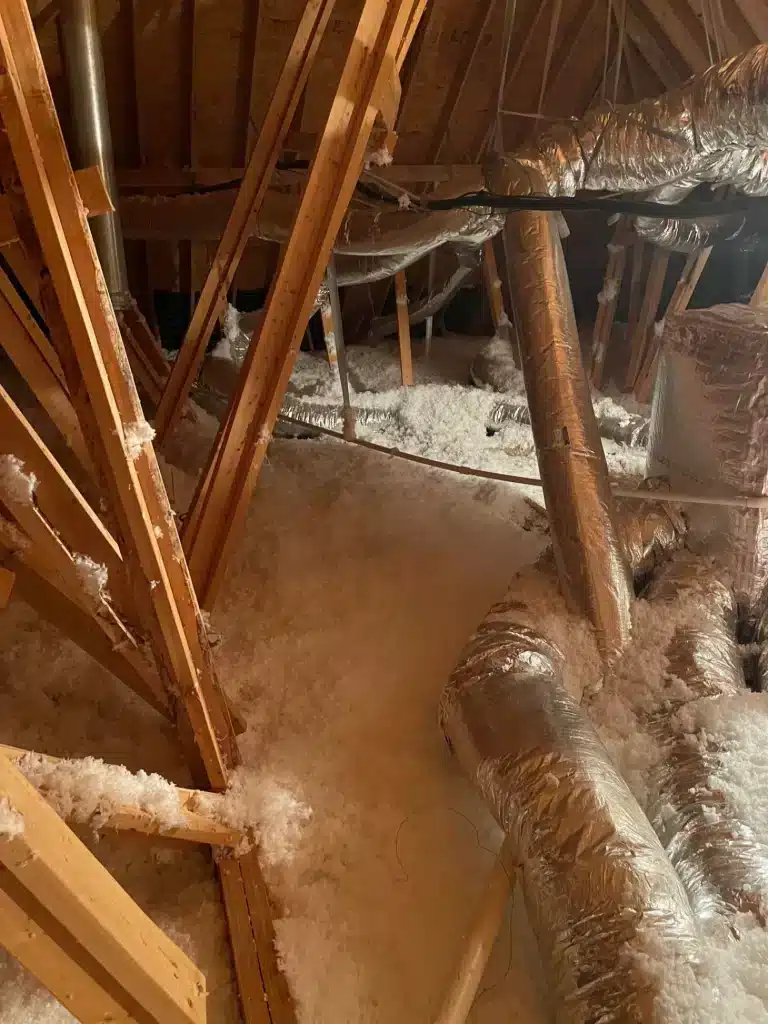
Traditional insulation like batts or foam boards works fine in ideal conditions, but real homes have obstacles: wiring, plumbing, and uneven framing. Spray foam flows around these, creating a continuous barrier. It also resists settling over time, unlike blown-in options that can shift.
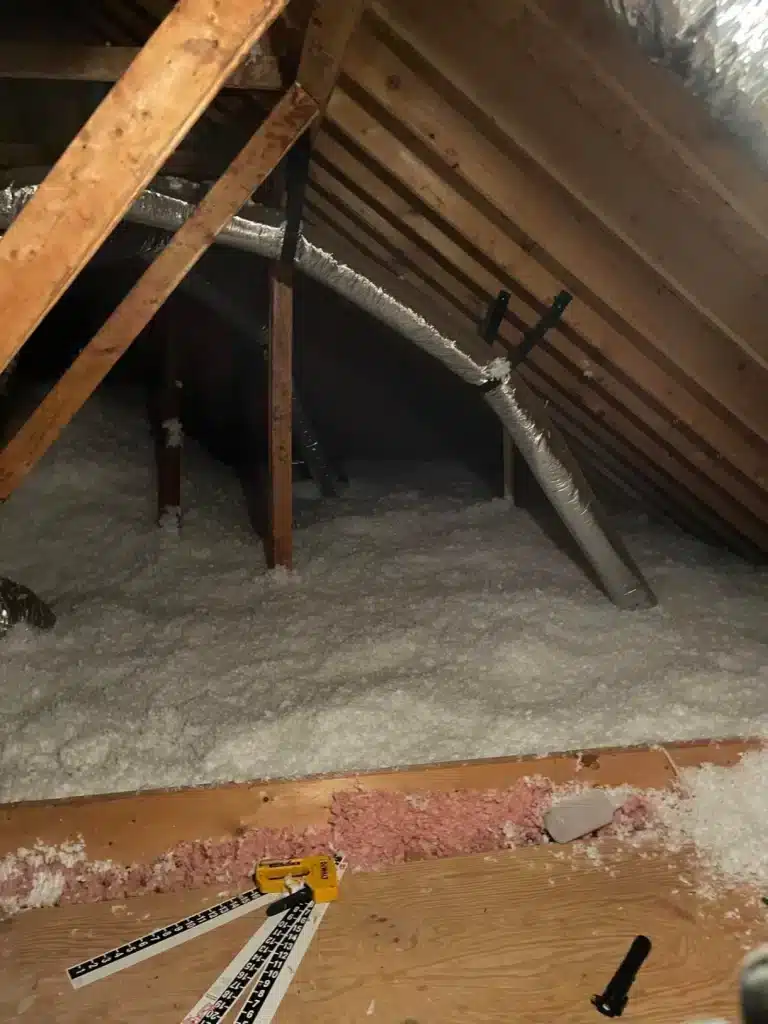
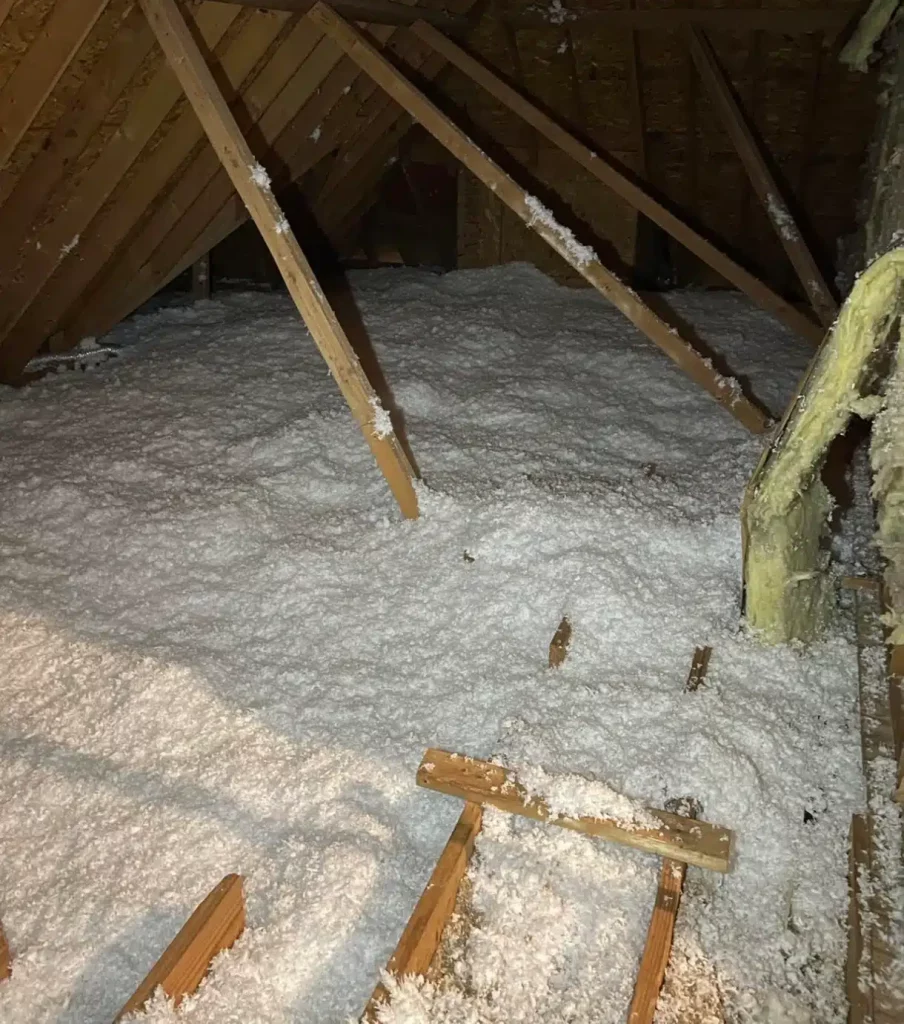
Consider a typical attic: without good sealing, warm air escapes in winter, forcing your HVAC system to work harder. Spray foam locks in that air, potentially saving hundreds on bills annually.
Expert Tip: Before any project, check your local building codes. Some areas require specific R-values, and spray foam’s high performance can help you meet them with less material.
Benefits of Spray Foam Insulation
The advantages extend beyond energy savings. Spray foam creates an effective moisture barrier, reducing the risk of mold and wood rot in humid climates. Its closed-cell version, in particular, offers buoyancy in flood-prone areas.
Noise reduction is another perk. In urban buildings, it dampens sounds from outside or between floors. A report from the Building Science Corporation highlights how spray foam improves indoor air quality by sealing out dust and allergens.
Market data shows growing adoption: The spray polyurethane foam market reached $2.5 billion in 2022 and is projected to grow at 6.5% annually through 2030, per Grand View Research. This reflects demand for sustainable building practices, as spray foam lasts 50+ years without degrading.
You’ll also appreciate its role in comfort. Rooms stay consistent in temperature, eliminating hot spots and cold floors. For allergy sufferers, the sealed envelope means fewer irritants enter.
Key Takeaways:
- Spray foam seals air leaks better than most alternatives, cutting energy use by 20-50%.
- It provides moisture control and sound dampening for healthier, quieter spaces.
- Long-term durability makes it a smart investment for homes and buildings.
These benefits stem from the two primary types of spray foam, which we’ll explore next.
Types of Spray Foam Insulation
Two main categories dominate: open-cell and closed-cell. Open-cell foam is lighter, with an R-value around 3.5 per inch. It’s spongy, absorbs sound well, and allows some vapor to pass, making it ideal for interior walls where moisture buildup isn’t a concern.
Closed-cell foam packs more density, hitting R-values up to 7 per inch. It acts as a vapor barrier and adds rigidity, which is great for roofs or below-grade spaces. However, it’s denser and costs more.
Here’s a quick comparison:
| Type | R-Value per Inch | Density (lbs/ft³) | Best For | Cost (per board foot) |
|---|---|---|---|---|
| Open-Cell | 3.5-4.0 | 0.5 | Interior walls, soundproofing | $0.40-$0.60 |
| Closed-Cell | 6.0-7.0 | 1.8-2.0 | Roofs, exteriors, moisture control | $0.90-$1.50 |
This table draws from industry standards outlined by the Spray Polyurethane Foam Alliance.
Hybrid options blend both for balanced performance. Choose based on your needs: open-cell for budget-friendly interiors, closed-cell for demanding environments.
Expert Tip: Test a small area first if you’re unsure. Open-cell might suffice for dry regions, but switch to closed-cell in coastal or rainy spots to avoid water issues later.
Applications in Residential Homes
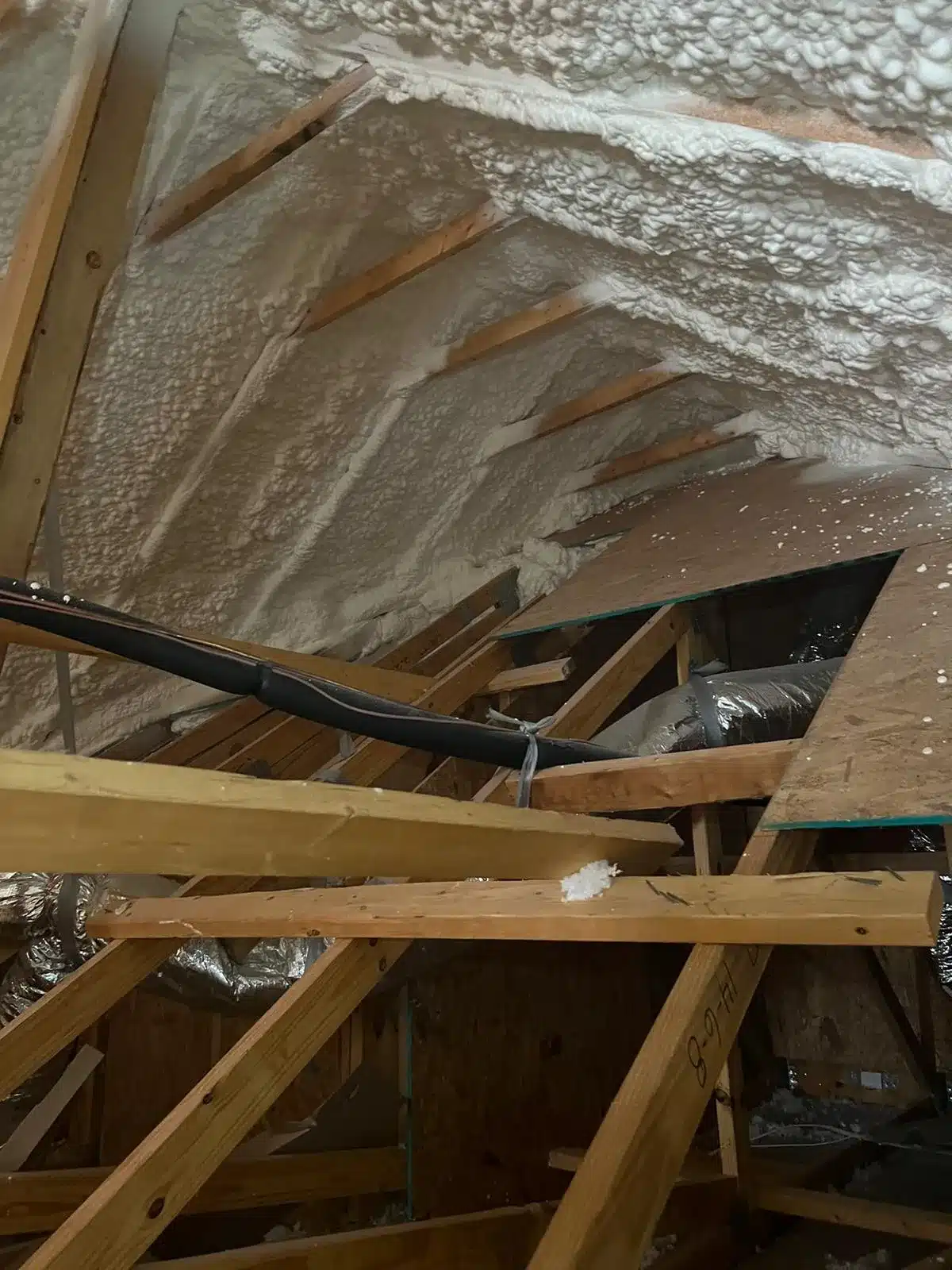
Spray foam shines in homes because it adapts to various spaces. Start with the attic, where heat loss is biggest. Applying closed-cell foam under the roof deck creates a conditioned space, reducing HVAC strain. In walls, inject it into existing cavities for retrofits—perfect for older homes without opening drywall.
For basements and crawlspaces, closed-cell prevents moisture wicking up from the ground. Floors over unheated garages benefit from open-cell to avoid squeaks while insulating.
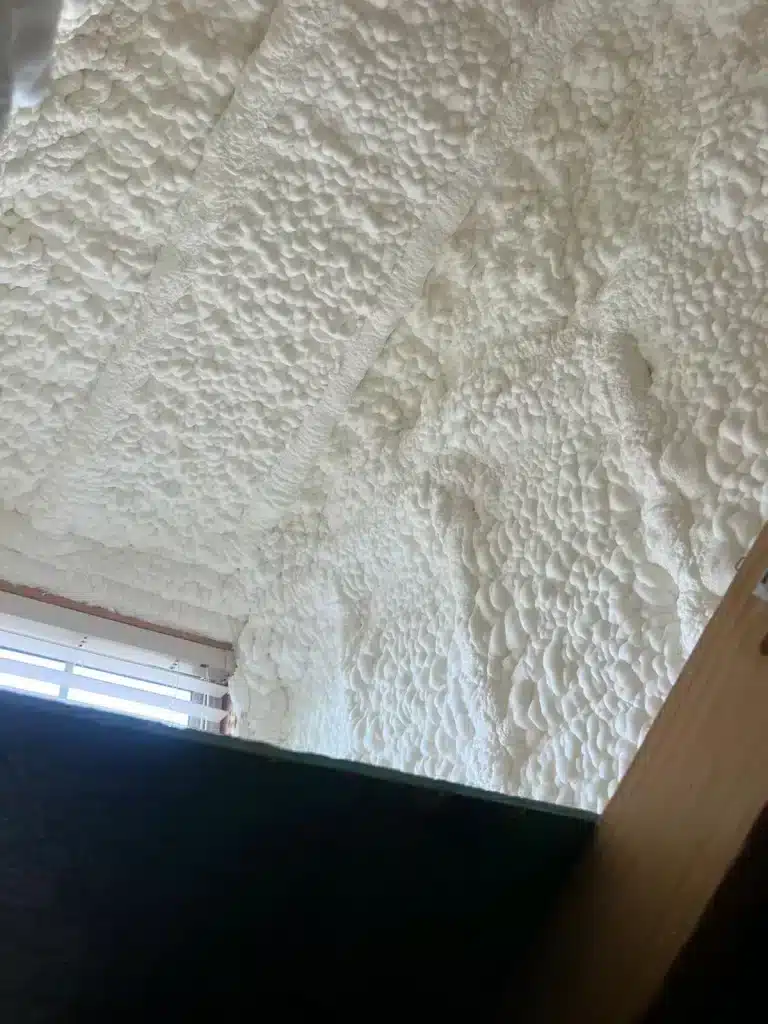
Real-world example: A family in a drafty 1950s ranch house saw their energy bills drop 30% after full-wall and attic treatment. The process involves prepping surfaces, spraying in layers, and trimming excess.
Attic and Roof Applications
Attics lose up to 25% of home heat, per ENERGY STAR. Spray foam seals around recessed lights and chimneys, which batts often miss. For vented attics, use open-cell; for unvented, closed-cell pairs with ridge vents for airflow.
Expert Tip: Pair attic foam with radiant barriers for extra summer cooling. This combo reflects heat away, keeping your home cooler without cranking the AC.
Wall and Foundation Uses
Exterior walls get open-cell for cost savings, but rim joists (where walls meet floors) need closed-cell for airtightness. In foundations, foam on concrete blocks stops cold transfer and radon entry.
Challenges include uneven surfaces—pros use low-pressure injections for precision.
Floors, Ceilings, and Bonus Rooms
Under floors, spray foam quiets footsteps and insulates against slab chill. Ceilings in multi-story homes reduce noise transmission between levels.
Key Takeaways:
- Target attics first for biggest energy wins.
- Match foam type to the area’s moisture risk.
- Retrofitting walls boosts comfort without major demo.
Commercial Building Applications
In offices, warehouses, and retail spaces, spray foam scales up. Roofs benefit from closed-cell over metal decks, preventing condensation and extending lifespan. Walls in high-rises use it for fire resistance—many formulations meet Class A ratings.
For warehouses, it insulates large bays efficiently, cutting heating costs for climate-controlled storage. A U.S. Green Building Council report notes that well-insulated commercial buildings use 30% less energy.
Retrofits in existing structures involve lifting panels to access cavities. New builds integrate it during framing for seamless coverage.
Office and Retail Spaces
Open offices need sound control—open-cell between partitions absorbs echoes. Retail stores apply it to exterior walls for consistent temps, preserving inventory like perishables.
Expert Tip: In commercial retrofits, schedule off-hours to minimize disruption. Quick-curing foam means downtime is short, often under a day per section.
Industrial and Warehouse Settings
High ceilings in factories get foam on underside beams, trapping heat where it’s needed. It also seals around loading docks, a common leak point.
Data from the National Insulation Association shows industrial users save up to $10,000 yearly on energy in medium-sized facilities.
The Installation Process
Professional installation ensures safety and performance. Start with surface prep: clear debris, mask areas, and ventilate. Pros wear PPE due to the chemicals’ fumes.
Step 1: Set up equipment—a trailer-mounted rig mixes and pressurizes components. Step 2: Spray in passes, building 1-2 inches per layer to control expansion. Step 3: Trim and sand for smooth finishes. Step 4: Inspect for coverage, often using infrared cameras to spot voids.
DIY kits exist for small jobs, but full projects require certified applicators to avoid off-gassing issues.
| Step | Description | Time Estimate | Tools Needed |
|---|---|---|---|
| Prep | Clean and protect surfaces | 1-2 hours | Drop cloths, masks |
| Spray | Apply foam in layers | 4-8 hours/room | Spray gun, hoses |
| Trim | Cut excess foam | 1 hour | Saw, knife |
| Inspect | Check for gaps | 30 min | Camera, meter |
Common Challenges and Solutions
One hurdle is over-expansion, which can bow walls if not monitored. Solution: Use trained crews who adjust pressure.
Moisture during install leads to poor curing—wait for dry conditions or use dehumidifiers.
Cost concerns: Initial price is higher, but payback comes in 3-5 years via savings. The Residential Energy Efficiency Research estimates ROI at 10-15% annually.
Expert Tip: Address pest entry points before foaming. Rodents chew foam, so seal gaps around pipes first.
For uneven curing, proper mixing is key—modern rigs have sensors to prevent this.
Cost Considerations and Measuring ROI
Expect $1-3 per square foot installed, varying by type and access. A 2,000 sq ft home might total $5,000-$15,000.
Track ROI by monitoring bills pre- and post-install. Tools like home energy audits from Home Energy Saver help calculate savings.
Factors influencing cost: Location (labor rates), thickness needed, and prep work.
Market stat: 70% of new U.S. homes use advanced insulation like spray foam, up from 50% in 2010, according to NAHB.
Future Trends in Spray Foam Technology
Bio-based foams from soy or castor oil reduce environmental impact. Low-GWP (global warming potential) blowing agents replace older ones, aligning with regulations.
Smart foams with embedded sensors monitor performance in real-time. 3D-printed applications could customize for complex shapes.
Sustainability drives growth: Recyclable foams are emerging, and integration with solar panels boosts overall efficiency.
As codes tighten, spray foam’s versatility positions it for wider use in net-zero buildings.
Putting Your Spray Foam Insulation Plan into Action
You’ve now got a full picture of spray foam’s role in homes and buildings, from basics to advanced uses. Key points include its airtight sealing for energy savings, type selection for specific needs, and careful installation to avoid pitfalls. Costs pay off quickly, and trends point to even greener options ahead.
Use this guide as your reference: Assess your space, match applications to areas like attics or walls, and calculate potential savings. Start small if needed, like an attic retrofit, and expand from there. You’re now equipped to create a more efficient, comfortable environment.
Need Expert Guidance?
For personalized advice on applying spray foam to your project, reach out to Makeover Insulation. Our team can assess your home or building and recommend the best approach. Contact us at [email protected] or call (404) 800-0300 to schedule a consultation today.
Sources
- U.S. Department of Energy – Guide on insulation types and energy savings.
- Oak Ridge National Laboratory – Research on air leakage and building energy loss.
- Building Science Corporation – Reports on insulation performance and air quality.
Frequently Asked Questions About Spray Foam Insulation Applications
Is spray foam insulation safe for homes with children?
Yes, once cured, it’s inert and doesn’t off-gas. Choose low-VOC products certified by GREENGUARD for sensitive environments. Avoid recent installs in occupied spaces to let fumes dissipate.
Can I remove spray foam if I need to access wiring later?
Removal is tough—it’s like concrete. Plan routes during install or use open-cell, which cuts easier. Pros often leave access panels.
How long does spray foam last?
50 years or more with no degradation. It resists settling, UV (if covered), and pests when properly applied.
Does spray foam work in hot climates?
Absolutely. Closed-cell reflects heat and prevents humidity buildup. In attics, it keeps interiors cooler, reducing AC use by 10-20%.
What’s the difference between DIY and professional spray foam?
DIY suits spot fixes but lacks precision for full jobs. Pros ensure even coverage and handle safety, avoiding health risks from improper mixing.
Will insurance cover spray foam installation?
Sometimes, if part of energy upgrades or required by code. Check rebates from utilities—many offer $500-$2,000 incentives.