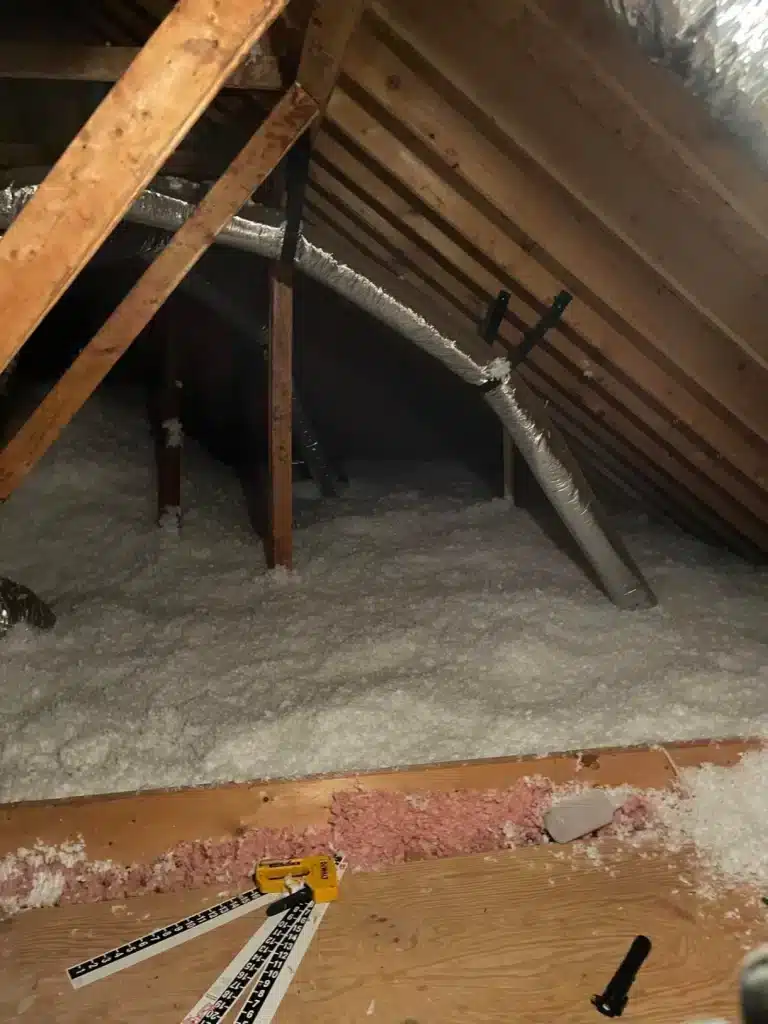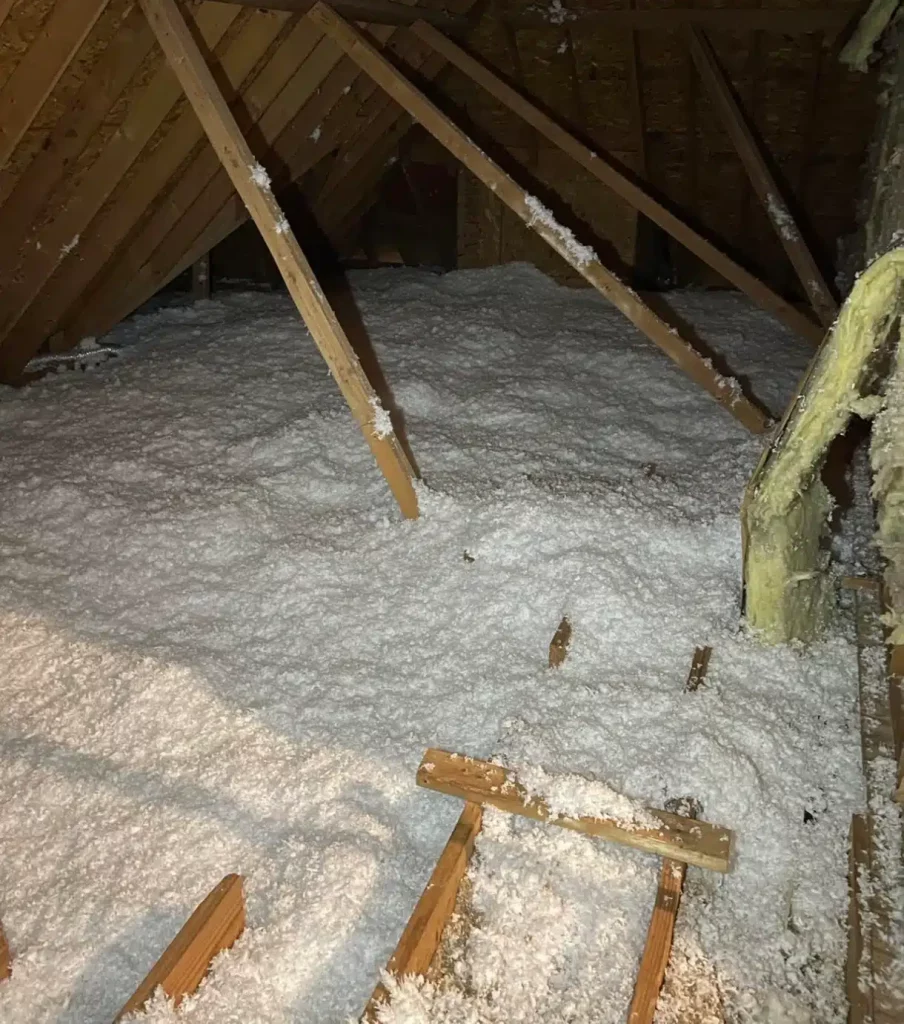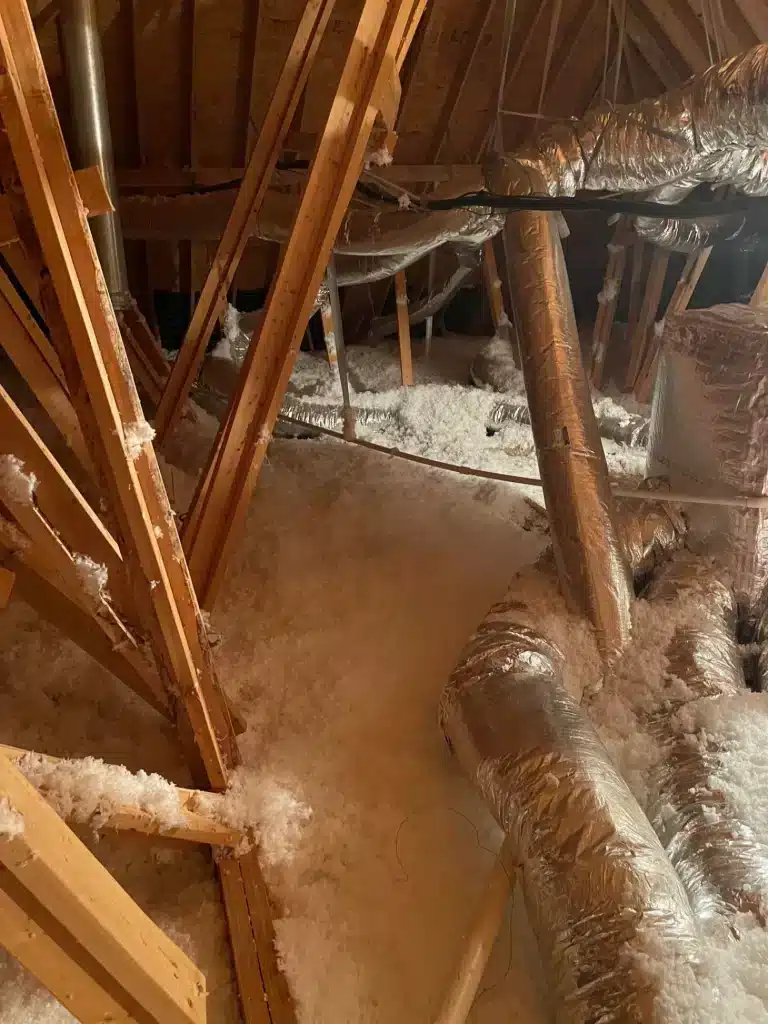

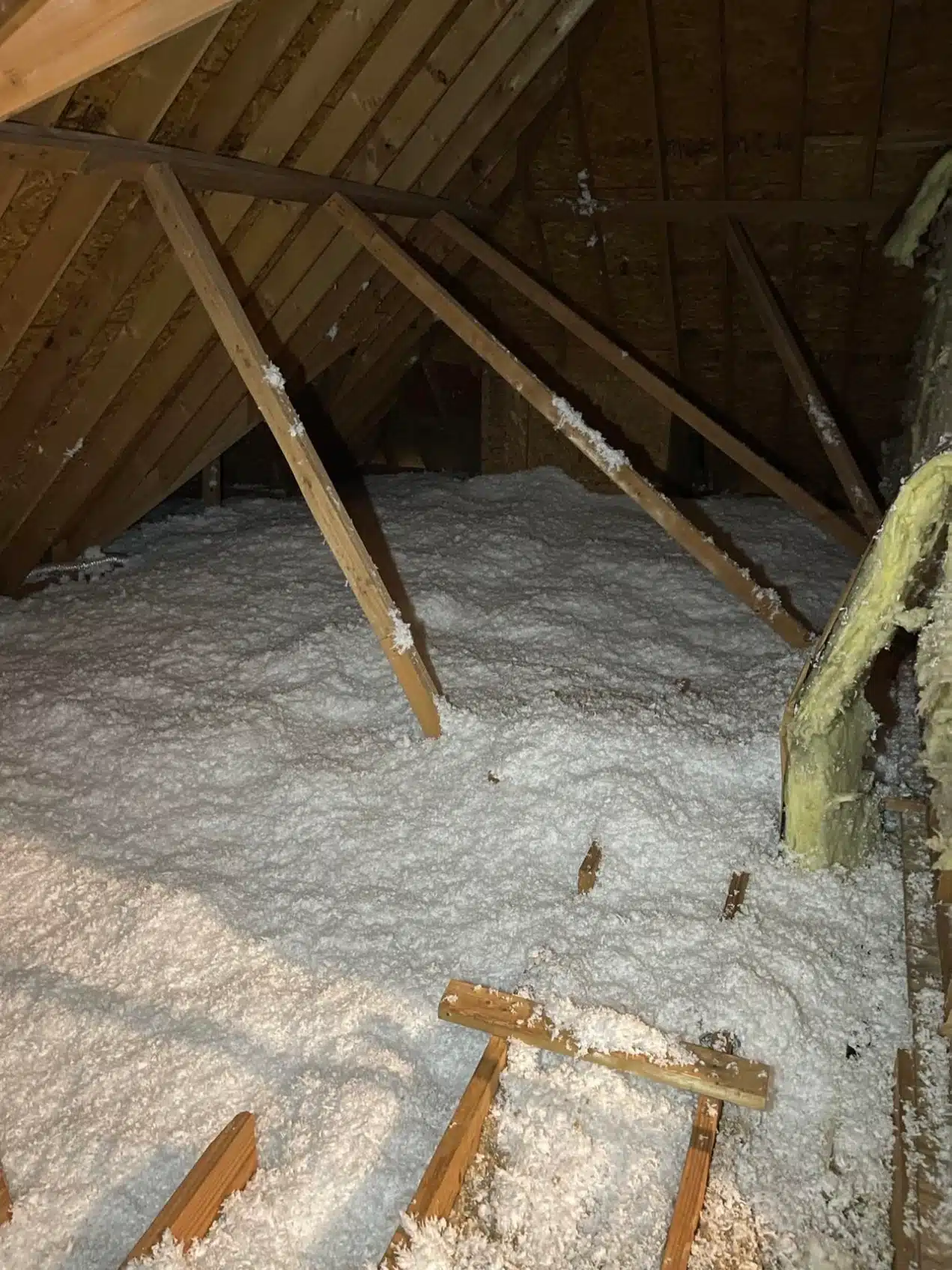
Spray foam provides superior air sealing and long-term thermal performance compared to fiberglass insulation in Lawrenceville, GA. Its higher R-value per inch and moisture resistance make it the more effective solution in humid subtropical climates where air infiltration and humidity control are constant concerns. Fiberglass remains a viable option for budget-conscious builds or retrofits where cost and ease of installation are key factors.
This guide compares both insulation types based on technical specifications, performance in local conditions, installation requirements, and long-term reliability. The analysis reflects on-site experience working with residential and commercial structures across the Lawrenceville region.
Core Differences Between Spray Foam and Fiberglass
The performance of insulation depends on more than just R-value. Moisture, air movement, and installation quality are all decisive in Lawrenceville‘s climate, where high humidity and temperature swings demand more comprehensive insulation solutions.
Comparative Overview Based on Key Factors
| Factor | Spray Foam Insulation | Fiberglass Insulation |
|---|---|---|
| Material Type | Polyurethane-based, expanding foam | Glass fibers formed into batts or loose-fill |
| R-Value per Inch | 6.0 (closed-cell), 3.7 (open-cell) | 2.2 – 3.5 |
| Air Sealing | Excellent (integral air barrier) | Poor without additional sealing |
| Moisture Resistance | Closed-cell is vapor retardant | Absorbs moisture, can degrade performance |
| Lifespan | 30+ years with minimal degradation | 10–20 years with potential settling |
| Installation Access | Requires professional equipment and PPE | DIY-friendly with proper protection |
| Fire Resistance | Must be coated with ignition barrier | Naturally non-combustible, still needs barrier |
| Sound Dampening | High (especially open-cell) | Moderate |
| Structural Support | Closed-cell adds wall rigidity | Does not provide structural enhancement |
| Regional Suitability (GA) | Highly effective in humid climates | Less resilient against moisture and airflow |
Bonus Tip: In older homes, pairing closed-cell spray foam with selective fiberglass use in accessible areas can optimize performance and manage cost.
Technical Performance Metrics
| Specification | Spray Foam (Closed-cell) | Spray Foam (Open-cell) | Fiberglass (Batt/Blown) |
|---|---|---|---|
| R-Value/inch | 6.0 – 7.0 | 3.5 – 3.8 | 2.2 – 3.5 |
| Perm Rating (moisture) | <1 (vapor retardant) | 10+ (permeable) | Varies; permeable |
| Air Permeability (ASTM E283) | <0.02 L/s•m2 | Low | High without sealing |
| Flame Spread Index (ASTM E84) | <25 with barrier | <25 with barrier | <25 |
| Density | 1.7–2.0 lb/ft3 | 0.5 lb/ft3 | 0.5–0.9 lb/ft3 |
Source: U.S. Department of Energy, Oak Ridge National Laboratory, 2023 Field Study on Residential Envelope Systems
How Local Conditions in Lawrenceville Influence Material Choice
Lawrenceville’s climate averages over 50 inches of annual rainfall and high summer humidity. These factors increase risk of moisture-related insulation failure. Spray foam, particularly closed-cell, forms an effective vapor barrier and air seal that helps maintain interior comfort and reduces HVAC cycling.
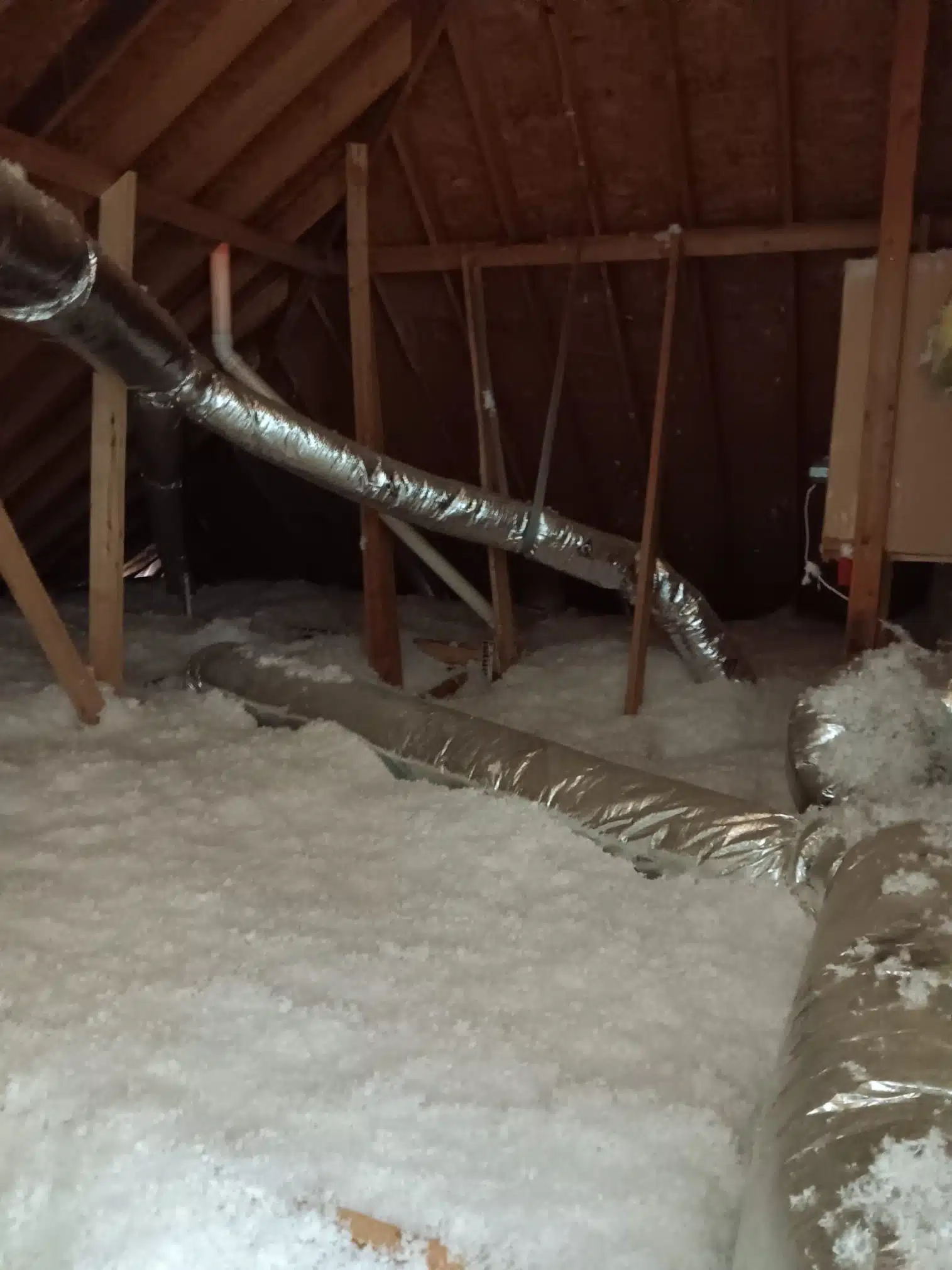
In retrofit attic projects, fiberglass can be adequate if paired with thorough air sealing. In new construction or major remodels, spray foam consistently provides superior envelope performance in both summer and winter months.
Bonus Tip: Use open-cell spray foam under roof decking for better sound absorption and a balanced indoor climate when attic systems are encapsulated.
Practical Considerations Before Choosing
Insulation choice impacts energy performance, air quality, and future retrofit potential. Consider these practical elements:
- Building Age and Structure: Older homes may lack the vapor control layers required for fiberglass to perform well long-term.
- Usage Patterns: Spray foam is ideal for conditioned attics or bonus rooms; fiberglass may suffice in seldom-used crawl spaces.
- Accessibility: Narrow joist bays or irregular cavities benefit more from expanding foam coverage.
- Allergy Control: Spray foam offers sealed environments that limit airborne irritants compared to fiberglass.
Bonus Tip: Always test for existing moisture or mold before installing any insulation. Trapped moisture can ruin both materials.
Makeover Insulation Offers These Specialized Services
Makeover Insulation provides installation solutions for spray foam and fiberglass insulation across residential and builder-grade projects:
- Spray Foam Insulation: Closed-cell and open-cell spray foam application for superior air sealing and energy performance.
- Blown-In Insulation: Fiberglass or cellulose options ideal for attic retrofits and wall cavities.
- Attic Insulation: Full-service solutions to improve HVAC efficiency and indoor air quality.
- Insulation Removal: Safe extraction of outdated or damaged materials prior to reinstallation.
Common Questions About Spray Foam vs. Fiberglass in Lawrenceville, GA
Which insulation performs better in humid climates like Georgia?
Spray foam, especially closed-cell, performs better in humid climates due to its built-in vapor barrier and superior air sealing. It prevents moisture buildup, which can degrade fiberglass over time.
Is fiberglass insulation still a good option in Georgia homes?
Fiberglass can work in Georgia homes if combined with proper air sealing and vapor control. It’s more suitable for budget-sensitive projects or low-moisture spaces like vented attics or crawl spaces with good airflow.
Will spray foam help reduce energy bills more effectively than fiberglass?
Yes. Spray foam’s air-sealing ability reduces HVAC usage and energy loss, especially in conditioned attics or bonus rooms. Over time, it delivers greater energy savings than fiberglass insulation.
Evaluate Based on Climate and Building Needs
Spray foam insulation in in Lawrenceville, GA provides a longer-term solution in moisture-heavy regions like Lawrenceville. It performs better in both air sealing and thermal control, especially in conditioned attics or energy-efficient construction. Fiberglass remains a solid option for budget-focused applications or where access or compatibility limits spray foam use.
Contact Makeover Insulation for Expert Support
For insulation work in Lawrenceville, contact Makeover Insulation to match materials to project needs. The team provides certified services for spray foam and fiberglass installations with attention to building code and regional performance.
Phone: (404) 800-0300
Email: [email protected]
FAQS
Which insulation is better for reducing energy bills?
Spray foam generally outperforms fiberglass by reducing air leaks, which can cut HVAC runtime significantly.
Can fiberglass work in humid areas like Georgia?
Yes, but only when combined with vapor control and air sealing. Otherwise, performance declines with moisture exposure.
Is spray foam safe indoors?
When applied correctly and cured, it is stable and non-toxic. Installers must follow safety protocols during application.
Does spray foam always outperform fiberglass?
Not always. In low-budget, low-load spaces, fiberglass still serves a useful role.