
Imagine stepping into your home on a freezing winter day and feeling immediate warmth, or enduring a scorching summer without the constant hum of your air conditioner working overtime. That’s the power of proper insulation services. It keeps your living space comfortable year-round while slashing energy costs. But with so many options and details to consider, where do you start?
This guide covers everything about insulation, from the basics to advanced tips for maximum efficiency. You’ll learn how insulation works, the different materials available, key factors like R-value, and practical steps for installation. Whether you’re a homeowner tackling a renovation or just curious about improving your space, this resource equips you with the knowledge to make smart choices. Building on these insights, you’ll explore foundational concepts, then types of materials, performance metrics, installation best practices, and ways to measure your savings. By the end, you’ll have a clear plan to enhance your home’s comfort and efficiency.
What Is Insulation and Why Does It Matter?
Insulation acts as a barrier that slows heat flow in and out of your home. It tackles three main types of heat transfer: conduction, where heat moves through solid materials like walls; convection, involving air movement; and radiation, which travels as electromagnetic waves. By addressing these, insulation maintains steady indoor temperatures.
Think about a typical uninsulated wall. Cold air seeps in during winter, forcing your heating system to run nonstop. In summer, heat builds up quickly, making cooling expensive. Proper insulation prevents this, creating even temperatures and reducing drafts.
The benefits go beyond comfort. According to the U.S. Department of Energy, homes with adequate insulation use up to 20% less energy for heating and cooling. This translates to lower utility bills and a smaller environmental footprint, as less energy means fewer emissions from power plants.
Plus, insulation quiets outside noise and can even boost your home’s value. In regions with extreme weather, like the Midwest’s harsh winters or the Southwest’s intense summers, investing in insulation pays off quickly.
Key Takeaways:
- Insulation controls heat transfer to keep your home comfortable.
- It cuts energy use by 15-20%, saving money and reducing environmental impact.
- Beyond temperature, it improves soundproofing and property worth.
Types of Insulation Materials
Choosing the right material depends on your home’s structure, climate, and budget. Each type offers unique properties, from ease of installation to moisture resistance. Let’s break down the main options.
Fiberglass Insulation
Fiberglass comes as batts, rolls, or loose-fill. Made from fine glass fibers, it’s one of the most common choices due to its affordability and availability. It installs easily between studs in walls or joists in attics.
Pros include low cost, about $0.30 to $1.50 per square foot, and fire resistance. However, it can irritate skin during handling and loses effectiveness if exposed to moisture.
Expert Tip: Wear gloves, a mask, and long sleeves when working with fiberglass to avoid irritation. Seal any gaps before installation for better performance.
Cellulose Insulation
This eco-friendly option uses recycled paper treated with fire retardants. Blown in as loose-fill or dense-packed, it fills irregular spaces well, reducing air leaks.
Cellulose excels in sound absorption and settles densely to prevent settling over time. Costs range from $0.60 to $2.00 per square foot. Drawback: It absorbs water easily, so it’s best in dry climates or with vapor barriers.
Spray Foam Insulation
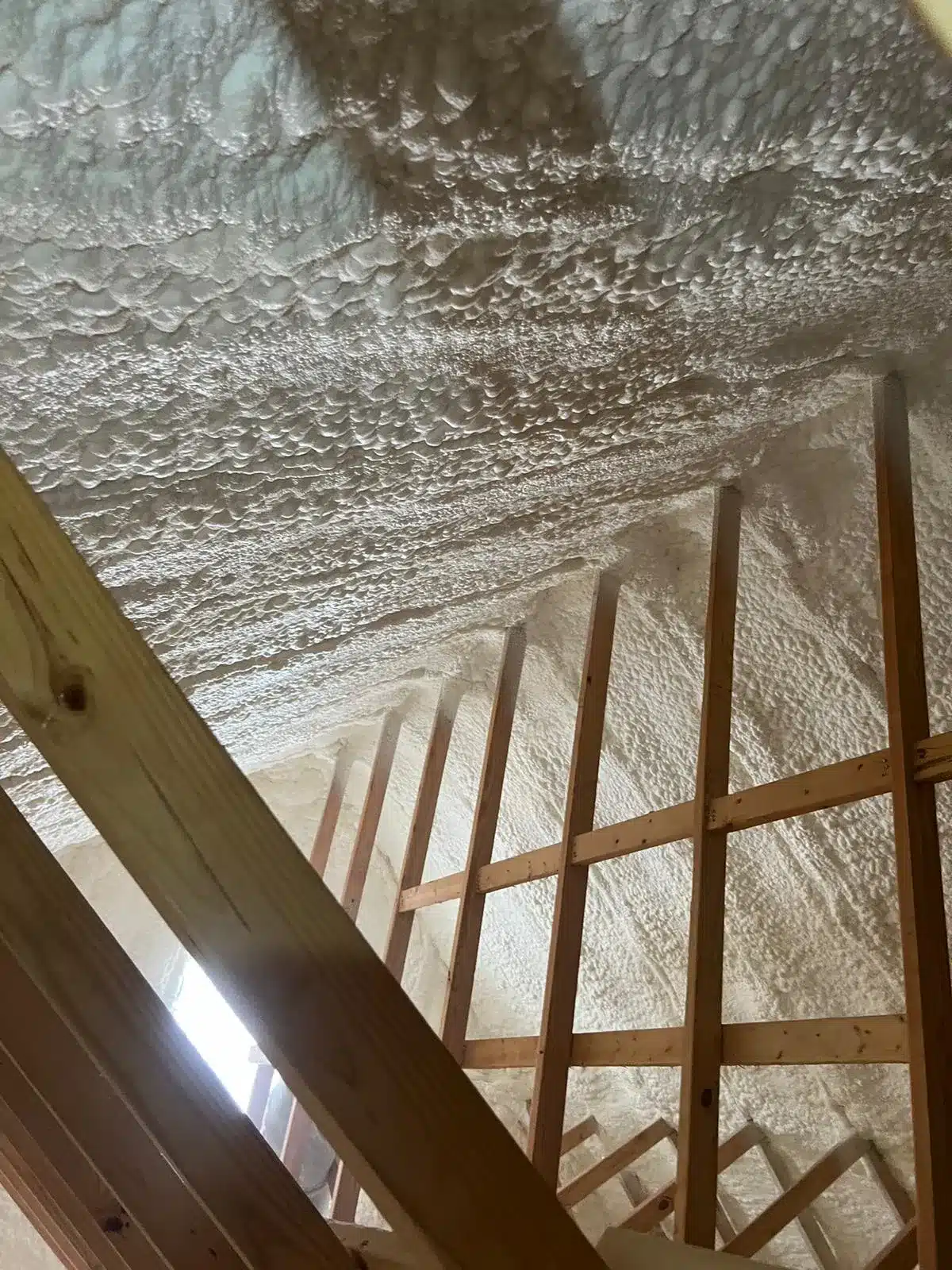
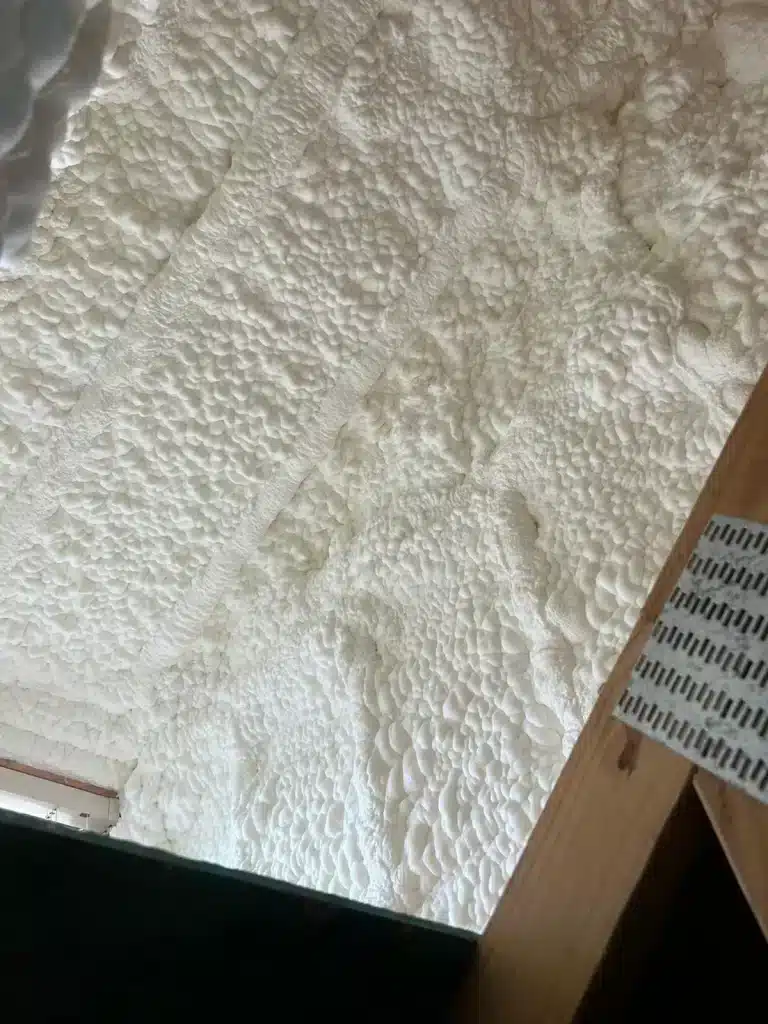
Spray foam expands on contact, creating an airtight seal. Open-cell foam is softer and better for soundproofing, while closed-cell is denser, offering higher R-value and moisture resistance.
Installation requires professionals due to the chemicals involved, with costs at $1 to $3 per square foot. It adheres to surfaces, minimizing gaps, but the upfront price is higher.
Rigid Foam Boards
These stiff panels, made from polystyrene or polyisocyanurate, suit basements, foundations, and exterior walls. They provide high R-value per inch and resist moisture.
Easy to cut and install, they cost $0.25 to $2.00 per square foot. Cons include the need for furring strips in some setups and lower fire resistance without coverings.
Mineral Wool Insulation
Also called rock wool, it’s made from basalt rock and slag. It comes in batts or boards and handles high temperatures, making it fire-safe.
Great for sound reduction and moisture-prone areas, it costs $0.80 to $2.50 per square foot. It’s heavier than fiberglass, so support is needed in ceilings.
Here’s a comparison table to help you decide:
| Material | R-Value per Inch | Cost per Sq Ft | Best For | Drawbacks |
|---|---|---|---|---|
| Fiberglass | 2.9-3.8 | $0.30-1.50 | Walls, attics | Irritating, moisture-sensitive |
| Cellulose | 3.1-3.7 | $0.60-2.00 | Attics, walls | Absorbs water |
| Spray Foam | 3.5-7.0 | $1.00-3.00 | Air sealing | Higher cost, pro install |
| Rigid Foam | 3.8-6.5 | $0.25-2.00 | Basements, exteriors | Needs covering |
| Mineral Wool | 3.0-3.3 | $0.80-2.50 | Soundproofing | Heavier weight |
Expert Tip: Match material to your climate. In humid areas, opt for closed-cell foam to avoid mold growth.
Key Takeaways:
- Select based on R-value, cost, and location-specific needs.
- Eco options like cellulose appeal for sustainability.
- Tables like this make quick comparisons straightforward.
Understanding R-Value and Insulation Performance
R-value measures how well insulation resists heat flow; higher numbers mean better performance. For example, an R-30 batt stops more heat than R-13.
Don’t just chase high R-values everywhere. Climate zones dictate needs: the International Energy Conservation Code recommends R-49 for attics in cold zones versus R-30 in milder ones.
Other factors matter too. Compression reduces R-value, and air leaks undermine even top materials. Test for drafts with an incense stick on windy days.
Installation quality affects performance. Poorly fitted batts create gaps, cutting efficiency by up to 25%, per the Oak Ridge National Laboratory.
Expert Tip: Calculate your home’s needs using online tools from energy departments, but verify with local codes for accuracy.
Where to Insulate Your Home
Focus on high-impact areas to get the most bang for your buck.
Attic Insulation
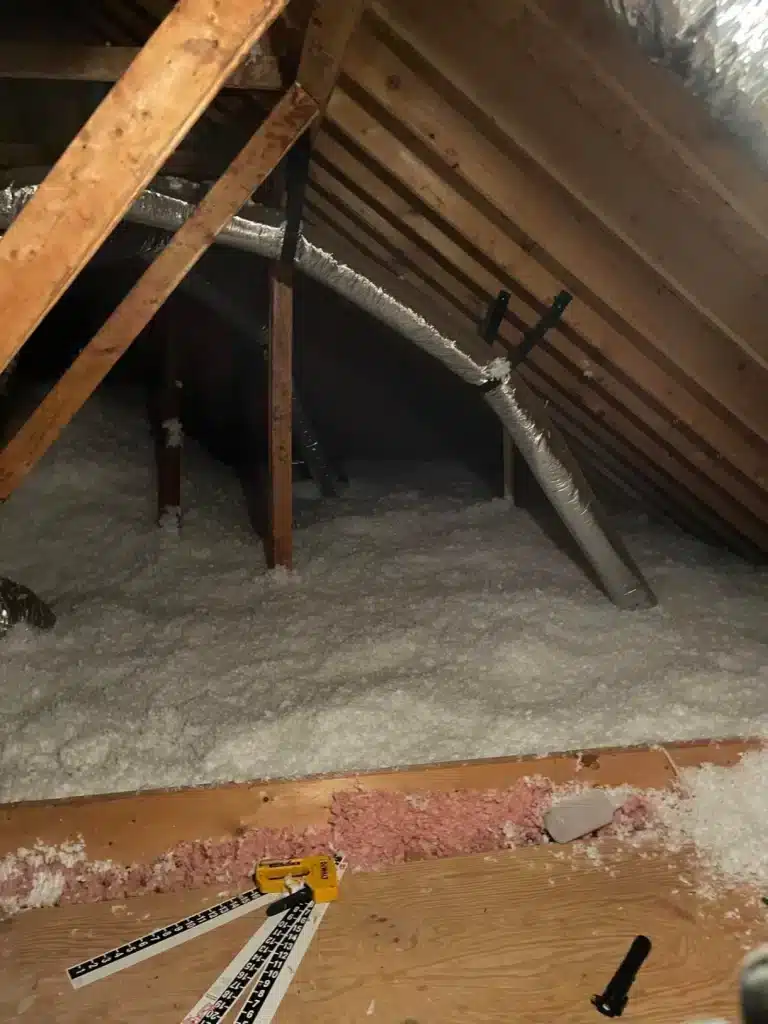
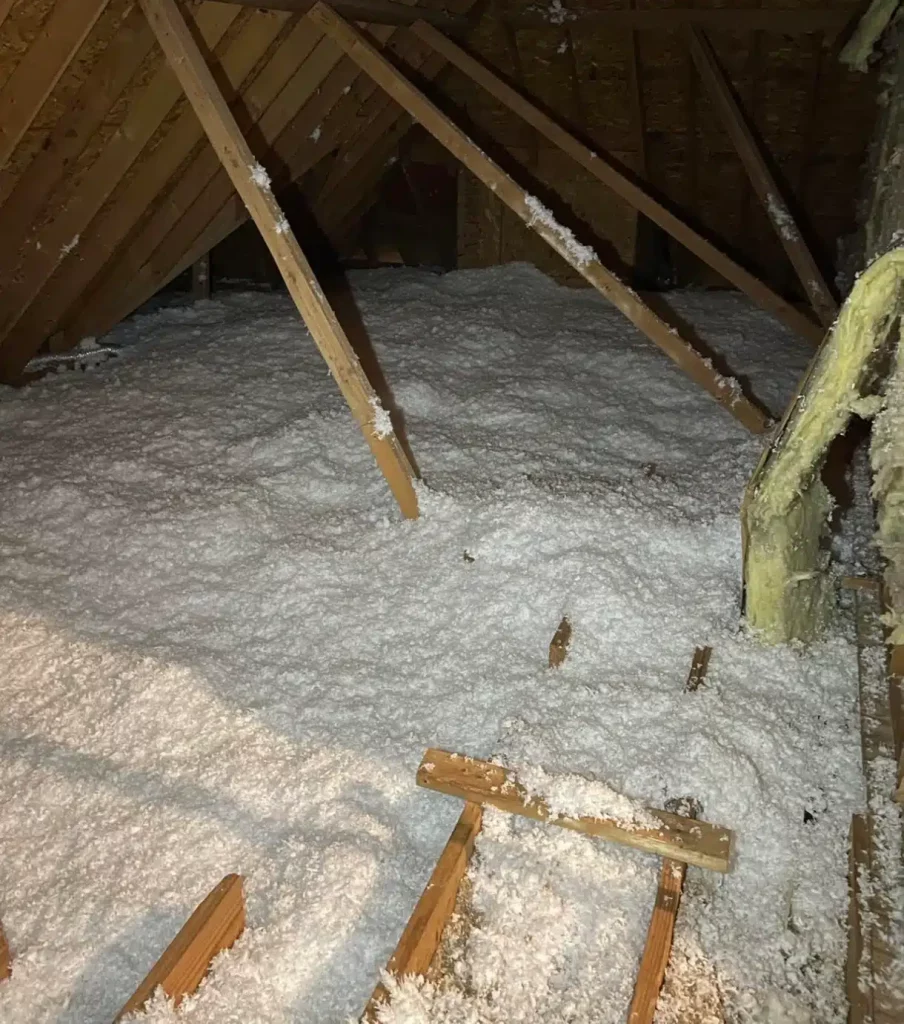
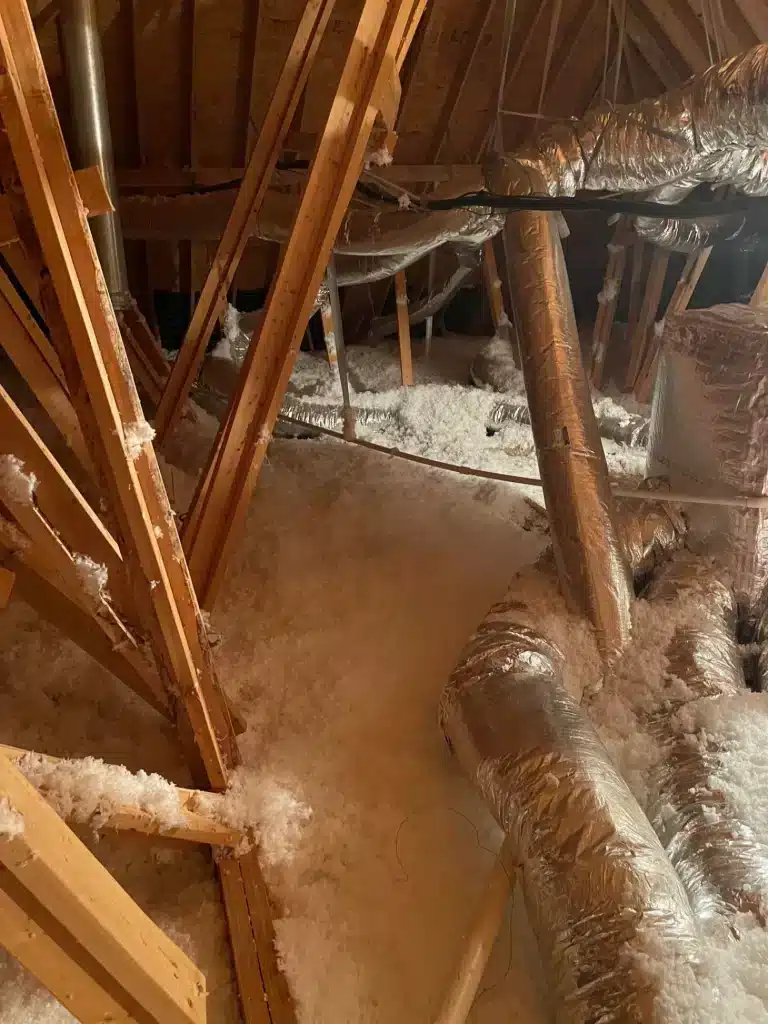
Attics lose the most heat in winter and gain it in summer. Add loose-fill or batts on the floor, aiming for 12-15 inches depth.
Ventilation is key; block soffit vents only if needed. Unfinished attics see quick ROI here.
Wall Insulation
Exterior walls benefit from cavity fill or foam boards. In retrofits, blown-in works through small holes.
Interior walls insulate less but help with sound between rooms.
Floors and Basements
Crawl spaces and basements need vapor barriers with rigid foam. Insulate rim joists to stop cold air entry.
Windows and Doors
Add weatherstripping and caulk gaps. For bigger upgrades, consider double-pane windows with low-E coatings.
Expert Tip: Prioritize the attic first; it often yields 50% of potential energy savings.
DIY vs. Professional Installation
DIY suits simple projects like adding batts to an accessible attic. Buy materials from home centers and follow safety guidelines.
For spray foam or dense-pack cellulose, hire pros. They have equipment and ensure code compliance.
Costs vary: DIY fiberglass might run $500 for 1,000 sq ft, while pro spray foam hits $3,000. Weigh time, tools, and risk of errors.
A National Insulation Association study notes pros achieve 90% better coverage, maximizing R-value.
Common Challenges and Solutions
Moisture buildup leads to mold. Use vapor barriers and dehumidifiers in basements.
Settling happens with loose-fill; choose quality brands and top off as needed.
Pests might nest in voids. Seal entry points and use treated materials.
Overcoming these keeps your investment sound.
Expert Tip: Inspect annually for signs of wear, like damp spots or sagging.
Energy Savings and Measuring ROI
Insulation pays back fast. The average homeowner saves $200-500 yearly on bills, per Energy Star.
Market data shows U.S. households spend $1,900 annually on energy; insulation cuts this by 10-15% U.S. Energy Information Administration.
Calculate ROI: Divide install cost by annual savings. A $2,000 attic job with $300 savings breaks even in under 7 years.
Track progress with utility bill comparisons pre- and post-install. Use smart thermostats for finer data.
Another stat: Proper insulation reduces HVAC wear, extending system life by 20-30%.
Future Trends in Insulation
Smart insulation with sensors monitors performance in real-time. Aerogel materials offer high R-value in thin layers for tight spaces.
Sustainable options like sheep’s wool or mycelium grow in popularity. Recycled content now makes up 80% of some products, per industry reports.
Phase-change materials absorb and release heat, stabilizing temperatures passively.
Now that we’ve covered current and future aspects of insulation, let’s address some common questions homeowners have.
Putting Your Insulation Strategy into Action
You’ve now got a solid grasp on insulation’s role in comfort and efficiency. Start by evaluating your home’s weak spots, like the attic or walls. Pick materials that fit your climate and budget, then decide on DIY or pro help.
Remember, even small upgrades make a difference. Track your energy use to see improvements and adjust as needed. This guide serves as your reference—bookmark it for ongoing projects. With these steps, you’ll enjoy a cozier, more efficient home soon.
Need Expert Guidance?
Ready to take the next step? Makeover Insulation offers consultations to tailor solutions for your space. Reach out at [email protected] or call (404) 800-0300 for advice on materials, installation, and maximizing savings. Get personalized insights to ensure long-term comfort and efficiency.
Sources
- U.S. Department of Energy – Government resource on insulation basics, benefits, and energy savings.
- International Energy Conservation Code – Building code standards for recommended R-values by climate zone.
- Oak Ridge National Laboratory – Research on insulation performance and installation impacts.
Frequently Asked Questions About Insulation
What Is the Best Insulation for My Home?
The best depends on your location and budget. In cold climates, high R-value spray foam shines; in mild areas, fiberglass suffices. Assess your needs with a home energy audit.
How Long Does Insulation Last?
Most types last 20-50 years with proper care. Fiberglass and mineral wool endure longest, while cellulose may need topping up every 10-20 years.
Can Insulation Lower My Energy Bills Right Away?
Yes, many see savings within the first month. Combine with sealing leaks for faster results.
Is Insulation Safe for Families with Allergies?
Choose low-dust options like closed-cell foam. Ensure proper installation to avoid fiber exposure.
Do I Need a Permit for Insulation Work?
Often not for minor DIY, but check local codes. Major retrofits usually require permits.
How Do I Know If My Home Needs More Insulation?
Look for uneven temperatures, high bills, or ice dams. An energy audit provides precise answers.