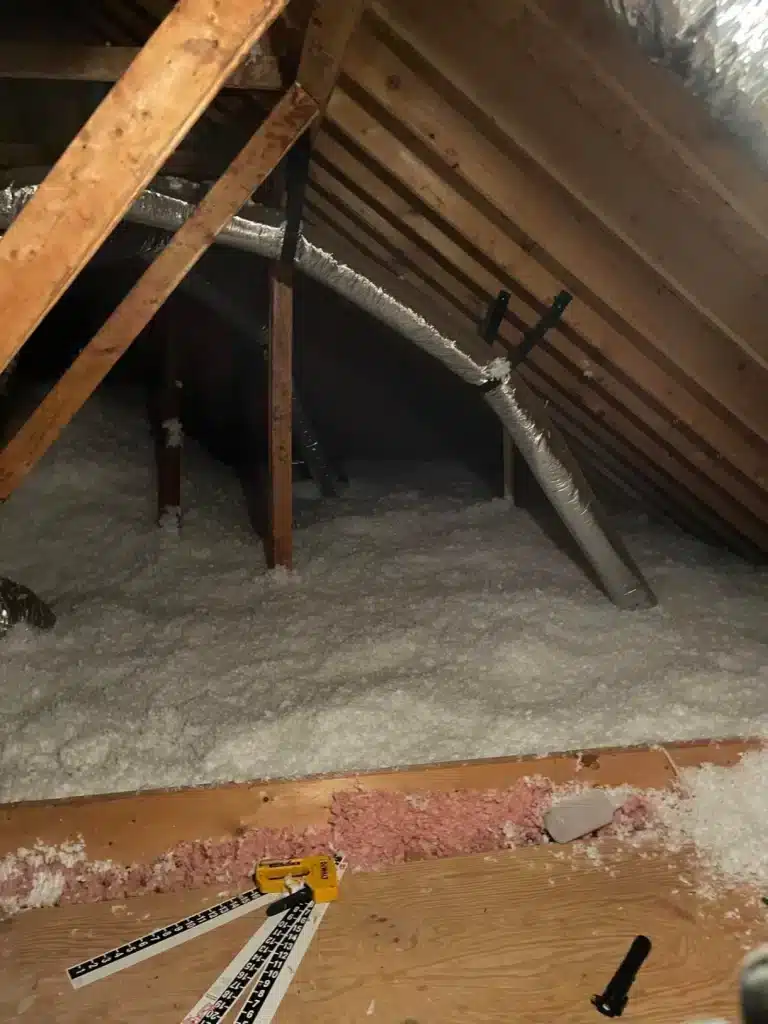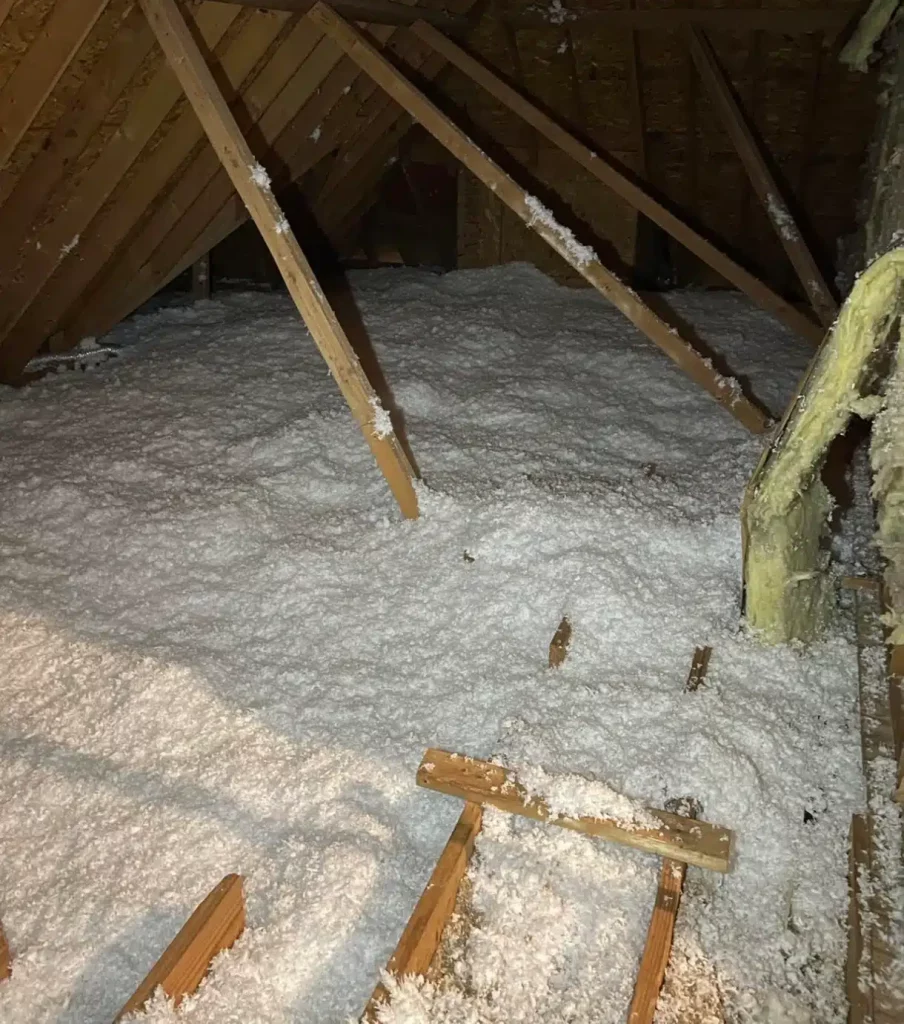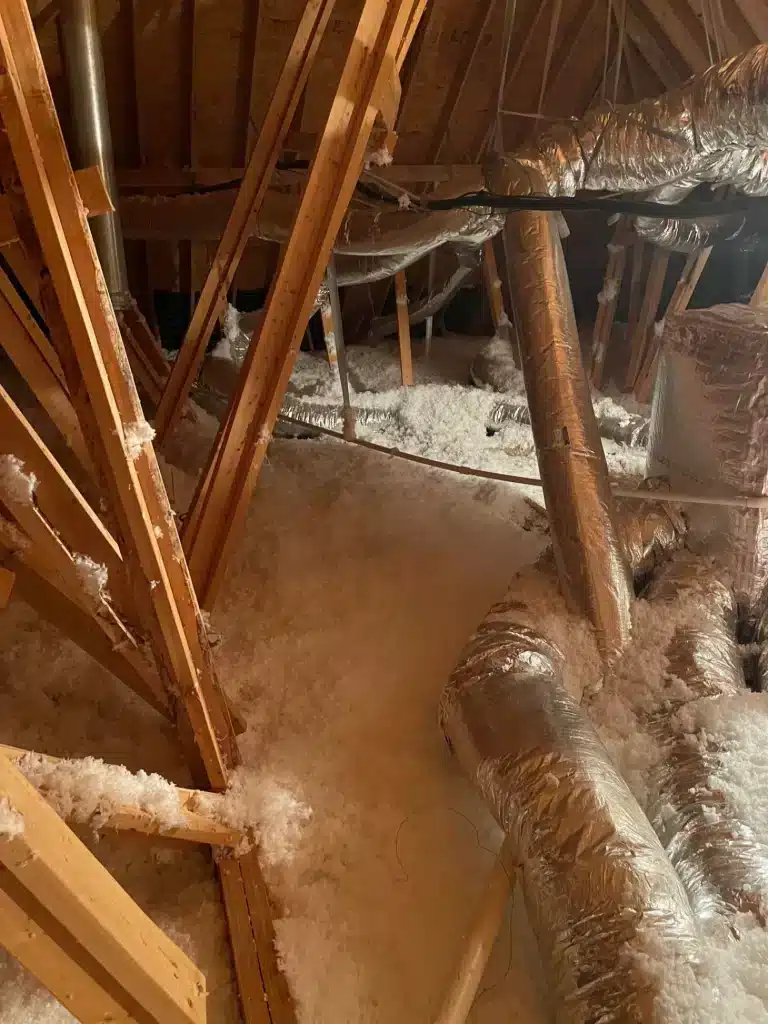

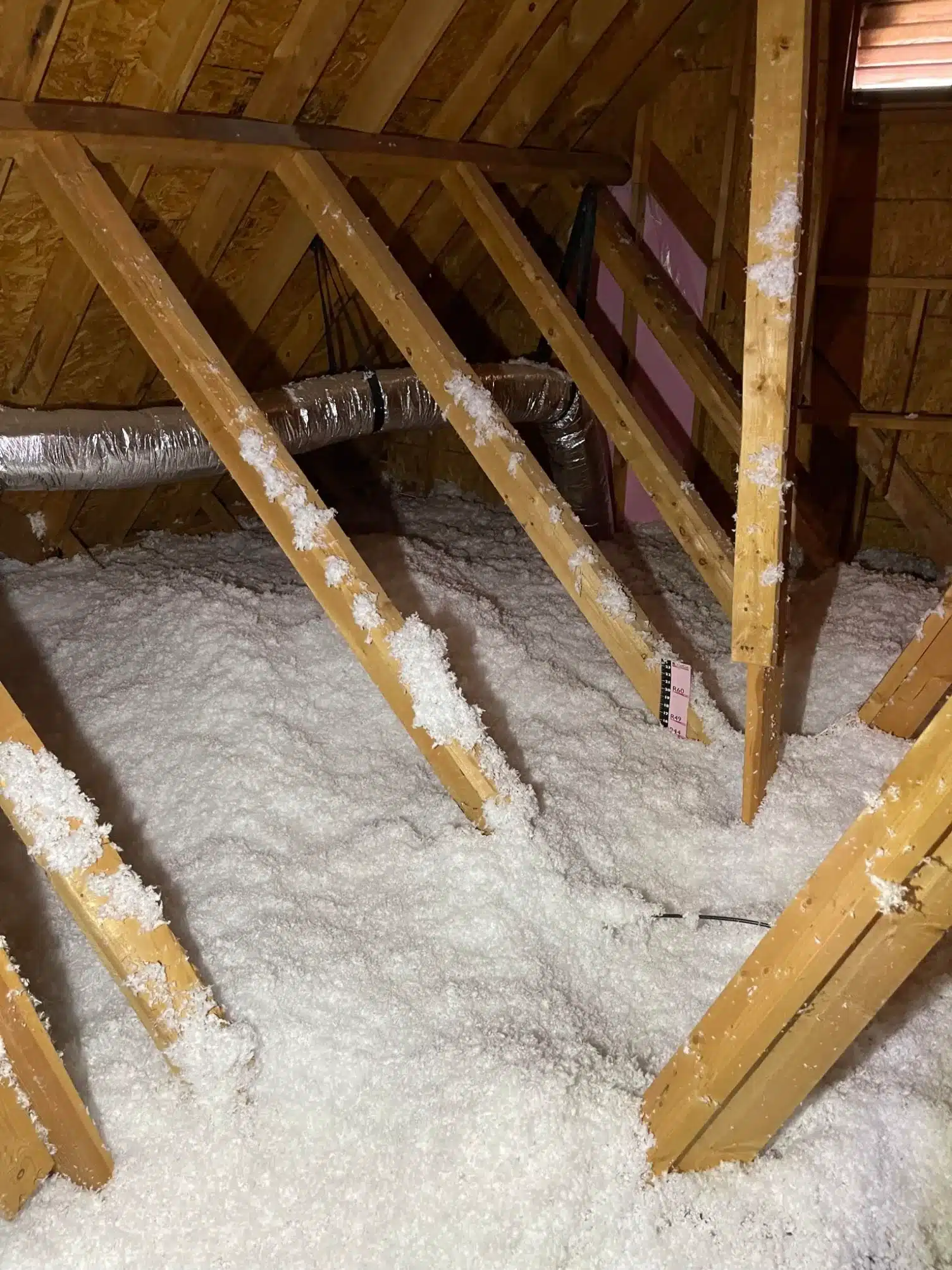
Blown-in fiberglass insulation helps improve indoor air quality by reducing airborne pollutants, moisture retention, and external temperature fluctuations. The material resists mold growth, discourages pest nesting, and helps maintain consistent room temperatures—factors that can support respiratory health and reduce allergy symptoms.
Fiberglass insulation contains inorganic glass fibers that do not support mold or mildew. When properly installed with airtight coverage, it minimizes dust migration and reduces external irritants entering living spaces. These properties make it especially suitable for homes in humid regions like the Southeast, where allergens, pests, and moisture are common.
Makeover Insulation installs and maintains insulation with a focus on safe air quality, structural longevity, and climate-specific performance.
How Blown-In Fiberglass Insulation Supports Indoor Health
Blown-in fiberglass offers a low-emission barrier against environmental intrusions. Unlike organic insulation materials, fiberglass resists microbial growth, reducing indoor exposure to spores and bio-contaminants. This contributes to a cleaner breathing environment, especially for children, seniors, or individuals with asthma or sensitivity to dust or allergens.
Bonus Tip
In older homes with leaky ductwork, combining blown-in fiberglass with air sealing can sharply reduce dust circulation and respiratory triggers.
Health Comparison: Blown-In Fiberglass vs. Other Common Insulation Types
| Feature/Impact Area | Blown-In Fiberglass | Blown-In Cellulose | Spray Foam | Batt Insulation |
|---|---|---|---|---|
| Mold/Mildew Resistance | High (non-organic) | Low (organic) | High | Moderate |
| Airborne Particle Control | Strong barrier | Moderate | Strong | Moderate |
| Off-Gassing Risk | Low | Low | Medium (chemical content) | Low |
| Pest Deterrence | Moderate | Low | High | Low |
| Settling Over Time | Minimal | Moderate to High | Minimal | Moderate |
| Noise Reduction | Moderate | High | High | Low to Moderate |
Technical Properties of Blown-In Fiberglass That Influence Air Quality
| Specification | Value/Description |
|---|---|
| Composition | Glass fibers (inorganic) |
| Flame Resistance Rating | Class A (ASTM E84) |
| Moisture Absorption | < 1% (non-hygroscopic) |
| Settling Rate | < 1% over lifetime when properly installed |
| R-Value per Inch (Thermal) | ~2.2 – 2.7 |
| Air Permeability | Low (enhanced with dense-pack installation) |
| Mold Growth Potential | None (inorganic material, does not feed mold) |
| VOC Emissions | Negligible (meets GREENGUARD Gold certification) |
Regional Considerations for the Southeast
In Georgia and nearby humid states, insulation choices should prioritize moisture control and air sealing. Blown-in fiberglass meets this demand with its non-absorbent glass fibers. Unlike cellulose, it won’t hold moisture or sag in high humidity, reducing long-term respiratory risks linked to damp insulation materials.
Bonus Tip
In homes with crawl spaces or open soffits, pairing blown-in fiberglass with targeted air sealing reduces humidity migration and improves HVAC efficiency.
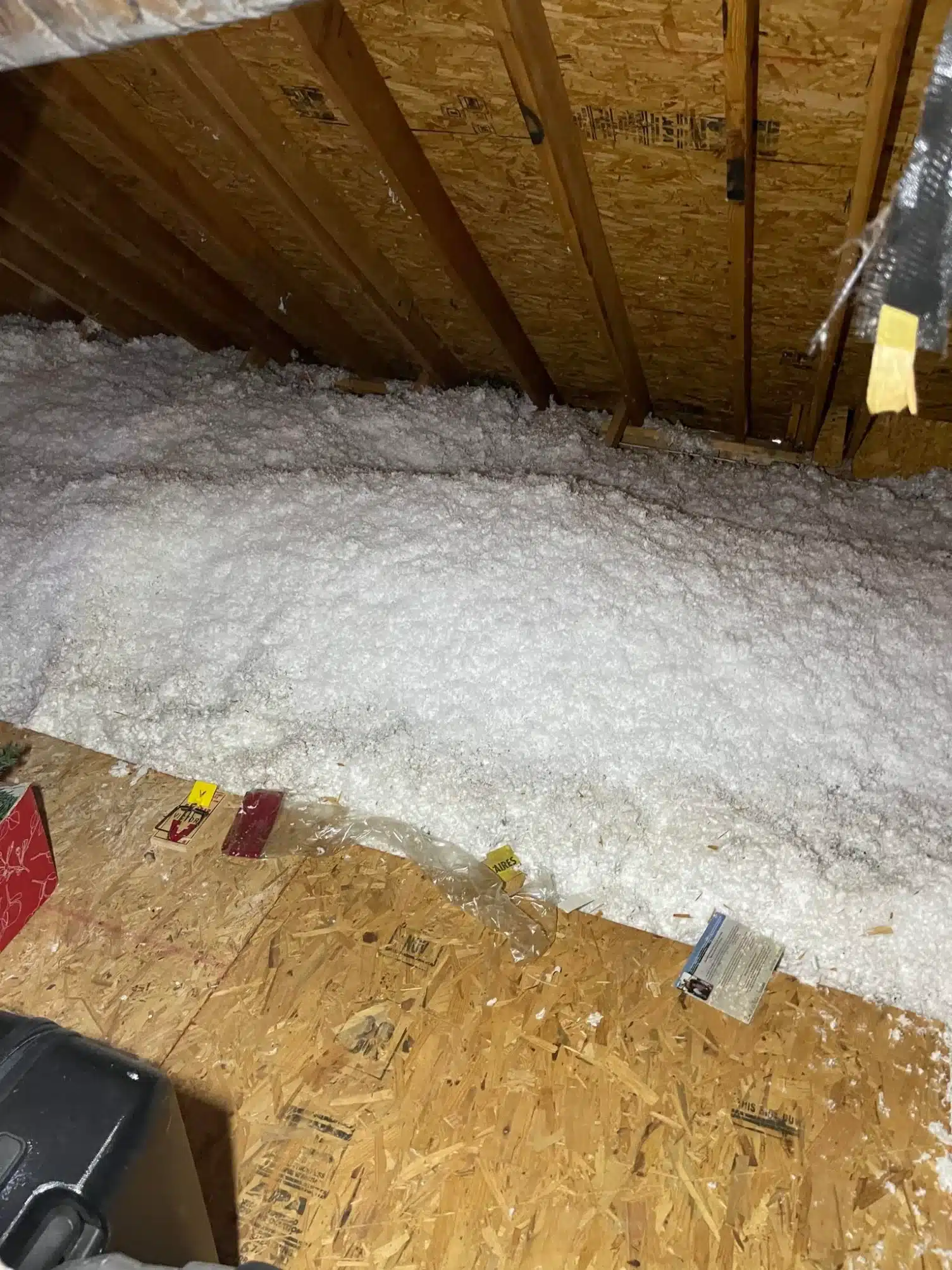
Factors to Review Before Choosing Blown-In Fiberglass
- Building Age and Condition: Older homes may need air sealing upgrades before insulation can work effectively.
- Allergy Concerns: Fiberglass provides a barrier against pollen and airborne dust when densely packed.
- Maintenance Needs: Fiberglass does not support pests or degrade over time, which means less upkeep.
- Installation Access: Works best in open attics and wall cavities. Not ideal for narrow or irregular framing without professional tools.
Closely Related Services from Makeover Insulation
- Blown-In Insulation (Fiberglass/Cellulose): Loose-fill application for attic and wall cavities using fiberglass for enhanced indoor air quality.
- Air Sealing: Targets gaps in building envelope to reduce air leaks, improve insulation performance, and limit dust migration.
- Attic Insulation: Prevents heat transfer and airborne particles from entering conditioned spaces.
- Insulation Removal: Safely eliminates old, moldy, or degraded insulation that may compromise air quality.
Immediate Questions People Ask Before Choosing
How long does blown-in fiberglass insulation last?
When properly installed, it can last 30 years or more without significant settling or air quality concerns.
Will fiberglass insulation worsen asthma or allergies?
No, the material is inert and non-organic. When installed correctly and sealed, it reduces allergens.
Is it safe to stay in the house during installation?
Yes, but keep distance from active work areas. Once sealed, fiberglass does not emit particles into the air.
Can it be used in walls or just attics?
It can be dense-packed into walls or open-blown in attics, depending on framing and access.
Key Takeaways on Blown-In Fiberglass Health Benefits
Blown-in fiberglass improves indoor air quality by resisting mold, sealing out dust, and maintaining stable temperatures. It provides long-term respiratory support and reduces allergen exposure, especially in humid climates. Safe installation and proper sealing are necessary to gain these benefits.
Before selecting insulation, evaluate home structure, regional moisture levels, and current air quality issues to ensure the material aligns with long-term health goals.
Talk to Makeover Insulation for Safe Indoor Air
Makeover Insulation offers experience-backed recommendations and safe application methods for blown-in fiberglass insulation. For air quality improvement in Southeast homes, contact the team at [email protected] or call (404) 800-0300 to speak with a trained specialist. Each project begins with a clear inspection and performance assessment to align insulation with your health priorities.
Long-Term Questions to Understand Use and Maintenance
How does fiberglass insulation perform in humid climates?
It resists moisture and does not absorb humidity, preventing mold and preserving air quality.
Does it need to be replaced or topped off over time?
Not typically. Settling is minimal when installed at recommended densities.
What happens if water leaks into the insulation?
Fiberglass dries quickly and won’t degrade, but leaks should be repaired to prevent repeated exposure.
Is professional installation necessary?
Yes. Proper density and coverage directly affect insulation effectiveness and health-related benefits.
Can pests or rodents nest in fiberglass?
It is not a preferred nesting material, but entry points must be sealed to prevent access.