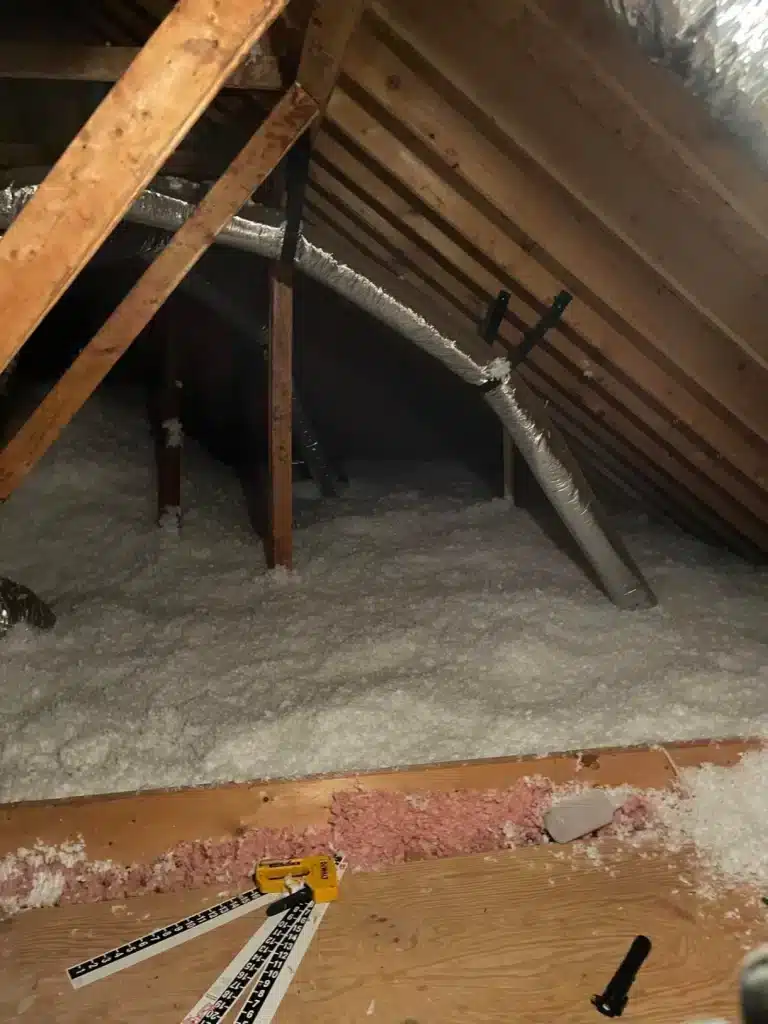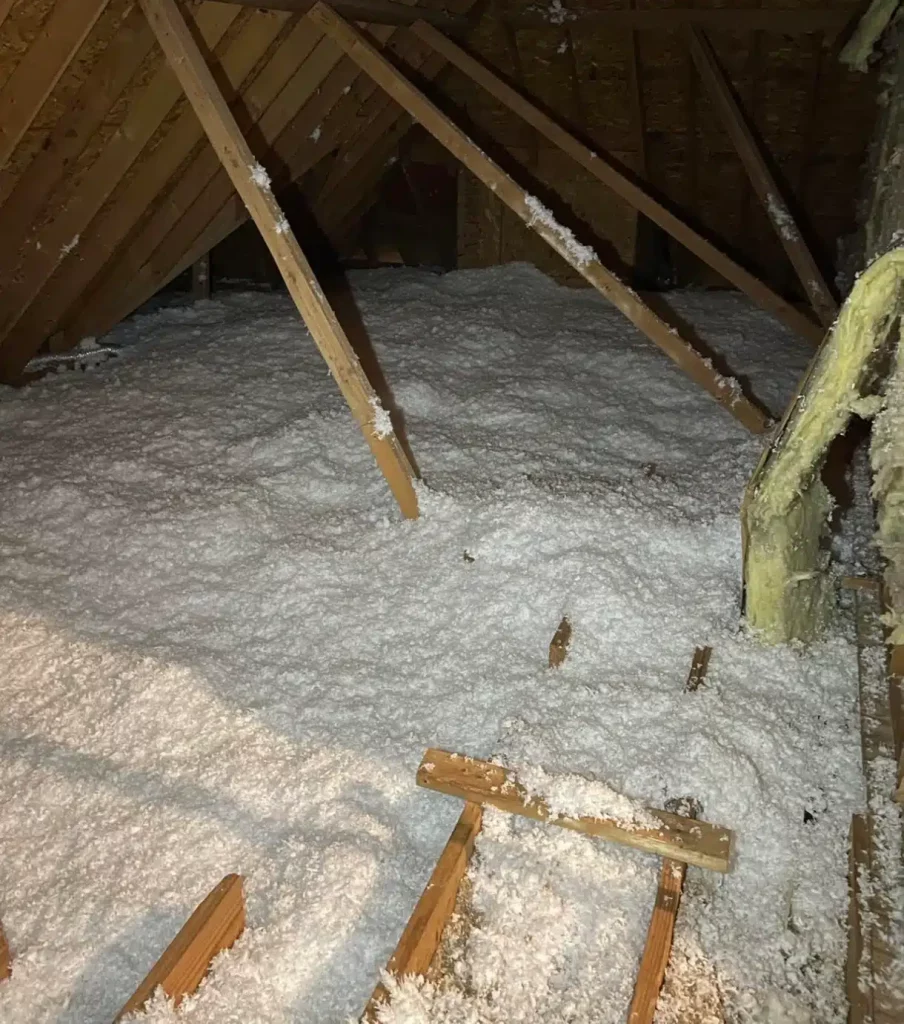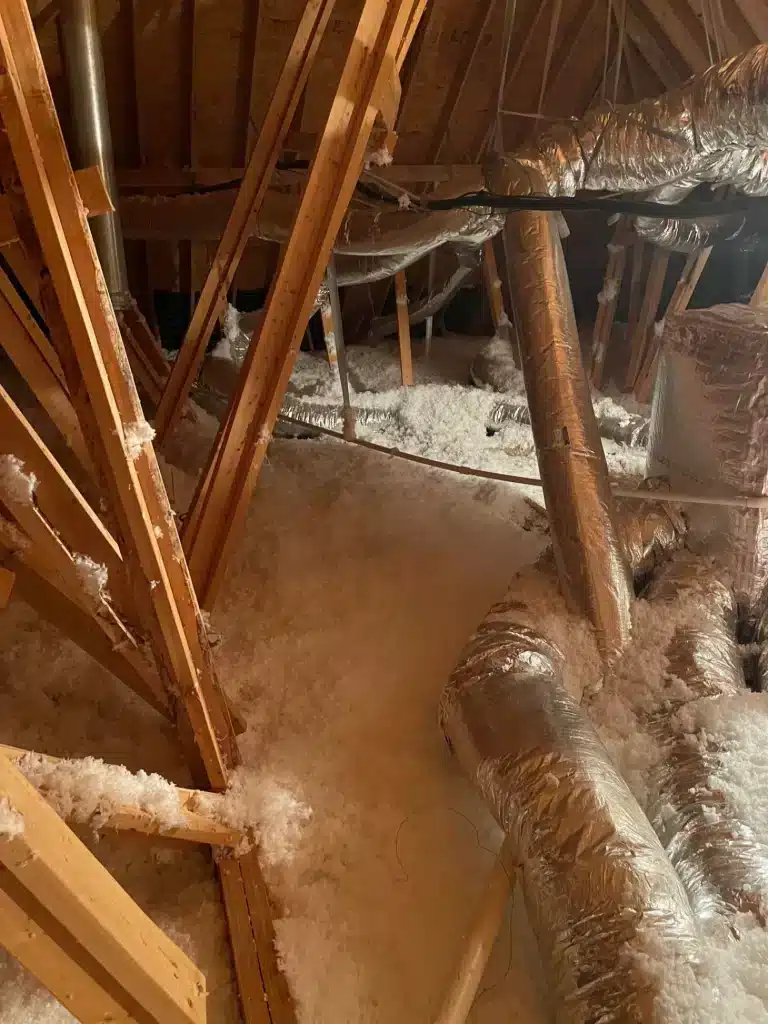

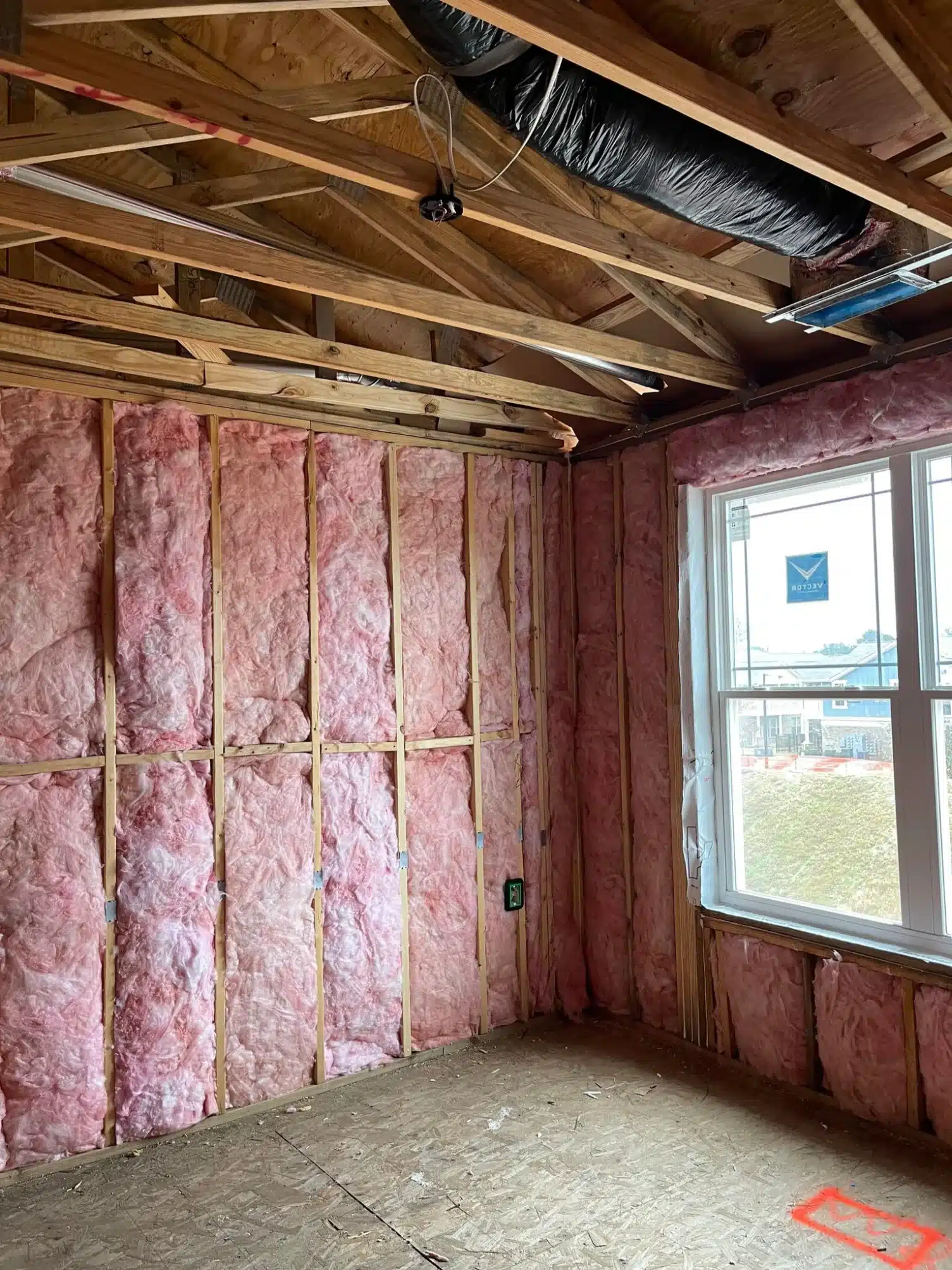
Older homes in Alpharetta often lack proper wall insulation, leading to significant energy loss, inconsistent indoor temperatures, and higher strain on HVAC systems. Upgrading wall insulation in these structures directly improves energy efficiency, air quality, and comfort throughout the year. Given the region’s hot, humid summers and fluctuating winters, thermal performance becomes a critical concern in homes built before modern insulation standards were adopted.
Homeowners experience noticeable improvements in indoor comfort and energy savings following wall insulation retrofits. This article outlines the technical reasons, practical impacts, and regional considerations for upgrading wall insulation in Alpharetta’s aging residential structures. All information reflects industry best practices backed by fieldwork, audits, and experience in local properties.
Why Insulation Retrofits Are Necessary for Older Walls
Common Deficiencies in Older Alpharetta Homes
Many homes built before the 1980s in Alpharetta, GA were constructed with limited or no wall insulation. Others contain degraded or compressed materials, reducing thermal resistance. Homes with knob-and-tube wiring or outdated siding types also pose insulation challenges.
Regional Impacts of Poor Wall Insulation
Alpharetta’s climate zones (DOE Zone 3A) require balanced insulation levels to manage both cooling loads in summer and heating in winter. Poorly insulated walls allow exterior temperatures to transfer into the living space, causing HVAC systems to overwork and humidity to rise indoors.
Bonus Tip: During insulation upgrades, use the opportunity to seal wall penetrations (e.g., around outlets or plumbing) for added energy retention.
Types of Wall Insulation Options for Older Homes
| Insulation Type | Application Method | Thermal Resistance (R-value/inch) | Moisture Control | Best for Retrofit? |
|---|---|---|---|---|
| Blown-In Cellulose | Dense-pack in cavities | 3.5 to 3.8 | Moderate | Yes |
| Blown-In Fiberglass | Dense-pack in cavities | 2.2 to 4.3 | Low | Yes |
| Closed-Cell Spray Foam | Injected into wall voids | 6.0 to 7.0 | High | Limited use |
| Open-Cell Spray Foam | Injected or applied | 3.5 to 4.0 | Low-Moderate | Limited use |
| Batt Insulation | Wall cavity installation | 3.0 to 3.8 | Low | No (invasive) |
Bonus Tip: Blown-in cellulose insulation offers superior air sealing characteristics in older walls due to its density and coverage flexibility.
Technical Performance Benchmarks
| Wall Assembly Feature | Minimum Standard (Post-Upgrade) | Typical Older Homes (Pre-Upgrade) |
|---|---|---|
| Total Wall R-value | R-13 to R-15 | R-3 to R-5 (if any) |
| Air Leakage (ACH@50) | <7 ACH50 | 12-20 ACH50 |
| Vapor Retardancy | Moderate (Class III or II) | Uncontrolled |
| Thermal Bridging Mitigated | Yes | No |
Building Code Evolution in the Alpharetta Area
Georgia adopted the International Energy Conservation Code (IECC) starting in the early 2000s. Prior to that, wall insulation was not consistently required. According to the U.S. Department of Energy, more than 65% of U.S. homes built before 1980 are under-insulated by today’s standards. Alpharetta homes built during suburban expansions in the 1960s-1980s fall into this category.
Source: U.S. DOE – Home Energy Saver (2023) / Georgia Department of Community Affairs
Key Factors Before Upgrading Insulation
- Wall Access: Determine if walls are open (during renovation) or closed. Blown-in is ideal for closed walls.
- Wiring and Plumbing: Identify any outdated electrical or plumbing systems that may be hidden inside walls.
- Moisture Conditions: Check for existing moisture or mold issues that must be addressed before insulating.
- Ventilation: Consider whole-home ventilation improvements to support better air quality post-upgrade.
Bonus Tip: Always conduct a blower door test before and after the retrofit to quantify improvements.
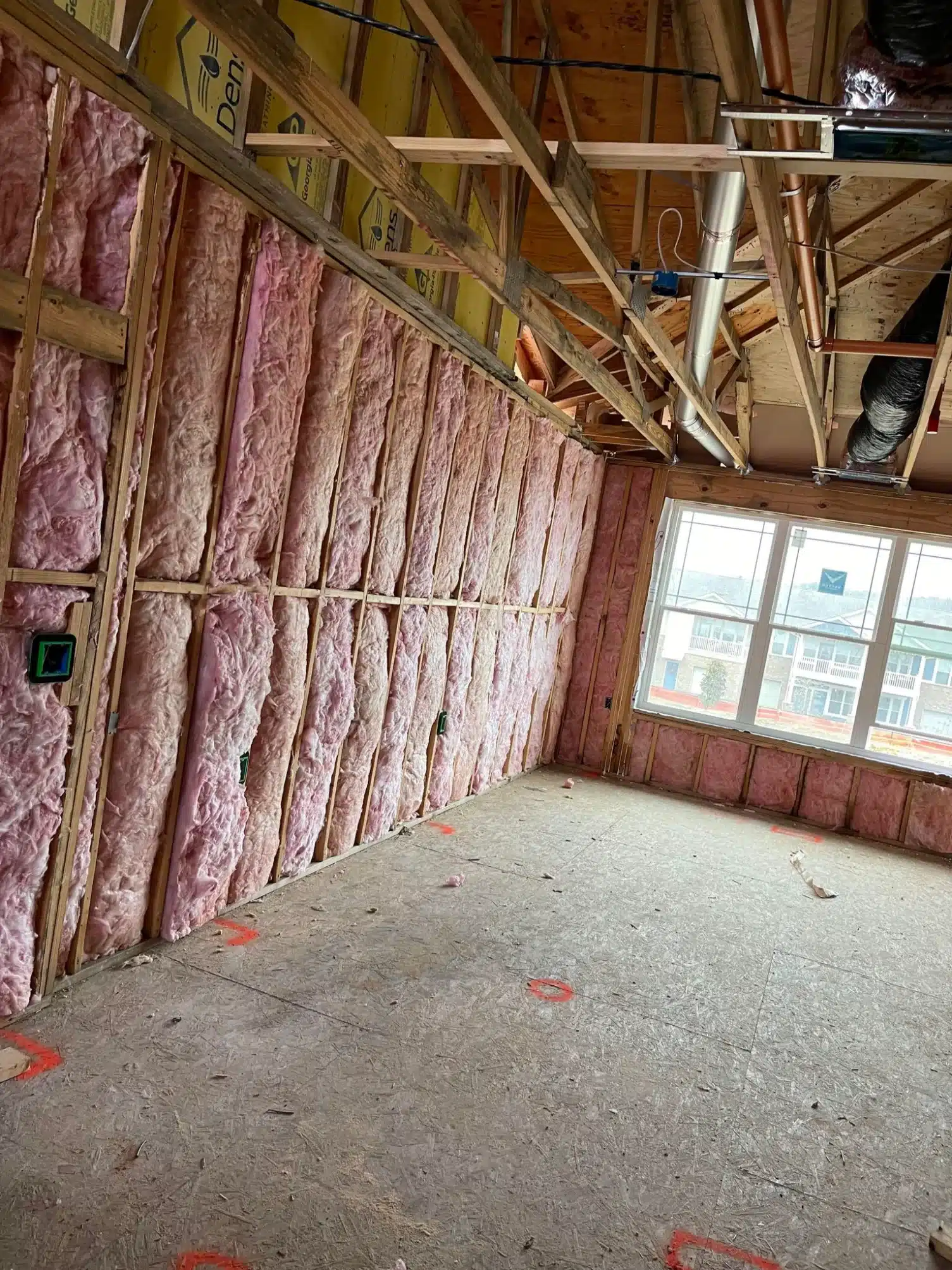
Makeover Insulation Offers These Relevant Services
- Blown-In Insulation: Dense-pack cellulose or fiberglass to retrofit existing wall cavities with minimal disruption.
- Spray Foam Insulation: Targeted closed- or open-cell foam solutions where deep wall access is available.
- Wall Insulation: Complete upgrades for internal and external wall structures using the most suitable methods.
- Air Sealing: Complementary sealing around wall penetrations to reduce drafts and improve performance.
What Homeowners Ask Before Choosing Wall Insulation
How much disruption should I expect during the retrofit?
Most wall insulation retrofits use small drilled access holes, minimizing interior or exterior disruption.
Can insulation help reduce outside noise?
Yes. Dense-pack cellulose in particular adds effective sound dampening for street or neighborhood noise.
Will wall insulation alone make a big difference in energy savings?
It significantly contributes, especially when combined with attic and air sealing upgrades.
Is this work safe around older electrical systems?
Yes, but outdated wiring such as knob-and-tube should be upgraded or inspected before adding insulation.
Final Thoughts on Wall Insulation in Older Alpharetta Homes
Upgrading wall insulation in Alpharetta homes addresses core structural and comfort issues. With hot summers, humid air, and outdated building materials, retrofitting walls with modern insulation improves both livability and efficiency. Evaluate wall access, existing systems, and building age to determine the most suitable approach.
Get Professional Insight Before Starting
Contact Makeover Insulation to assess insulation needs based on property age, wall type, and performance goals. Call (404) 800-0300 or email [email protected] to schedule an evaluation or get more details.
Ongoing Questions from Alpharetta Homeowners
How long does wall insulation last?
High-quality materials like cellulose or spray foam can last 20–40 years when properly installed and protected from moisture.
What signs show poor wall insulation?
Drafty rooms, uneven temperatures, high energy bills, and cold wall surfaces in winter.
Can wall insulation help with indoor humidity control?
Yes. Properly insulated and sealed walls reduce moisture intrusion and help stabilize indoor humidity.
Does exterior siding type affect insulation options?
Yes. Brick, vinyl, and wood each require different drilling and filling strategies.
What testing confirms insulation effectiveness?
Blower door tests and infrared thermography before and after installation help measure performance gains.