
Wall insulation plays a critical role in green building by directly reducing energy consumption, improving indoor comfort, and contributing to long-term sustainability goals. In Gwinnett County, where both summer heat and winter chill can push HVAC systems to their limits, uninsulated or poorly insulated walls lead to significant energy waste. Proper wall insulation curbs thermal transfer, stabilizes indoor temperatures, and limits dependence on mechanical heating and cooling.
From a building science perspective, wall insulation increases a structure’s overall thermal resistance (R-value), minimizing heat loss in colder months and heat gain during the summer. This performance improvement translates into measurable reductions in energy use and greenhouse gas emissions. Makeover Insulation provides data-driven application methods informed by direct work with builders and homeowners across Gwinnett County, GA.
Environmental and Energy Impact of Wall Insulation
Energy modeling shows that wall insulation can cut heating and cooling loads by up to 25% in climate zone 3A, which includes Gwinnett County (DOE Building America Climate Zones). Reduced energy use not only lowers utility bills but also eases the strain on the local power grid.
| Environmental & Energy Impact | Data/Insight |
|---|---|
| Avg. annual energy savings with insulated walls | 18-25% reduction in heating/cooling energy use |
| CO2 emissions avoided per home annually | 1,000–1,500 lbs (EPA estimates) |
| Thermal bridging effect without wall insulation | Up to 40% heat loss through framing components |
| Local electricity source mix | 64% natural gas, 29% nuclear, 7% renewables (Georgia Power, 2024 data) |
Bonus Tip: Avoid thermal gaps by ensuring insulation covers around wall penetrations (pipes, electrical boxes). Air sealing in tandem with insulation provides better energy retention.
Key Functions in Regional Green Building
Climate Relevance in Gwinnett County
Hot summers, occasional winter freezes, and high humidity levels define Gwinnett County’s climate. These conditions require balanced thermal resistance and moisture management within walls. Fiberglass batts or blown-in cellulose offer moderate R-values, but closed-cell spray foam adds air and vapor barrier properties critical for high humidity control.
Indoor Comfort and Moisture Control
Wall insulation helps maintain consistent indoor temperatures across all rooms. It also reduces condensation risks by moderating wall cavity temperatures, preventing mold-friendly conditions.
| Insulation Type | R-Value per Inch | Air Barrier | Vapor Retarder | Mold Resistance |
|---|---|---|---|---|
| Fiberglass Batt | 3.2 – 3.8 | No | No | Moderate |
| Cellulose Blown-In | 3.2 – 3.8 | No | No | High (treated) |
| Closed-Cell Spray Foam | 6.0 – 7.0 | Yes | Yes | High |
Bonus Tip: Use closed-cell spray foam on north-facing or shaded exterior walls, which stay cooler and are more prone to internal condensation.
Practical Benefits Seen in Gwinnett County Homes
• Homes retrofitted with wall insulation see a 2–4°F improvement in temperature stability. • Noise reduction between rooms and from outside traffic increases by up to 40% depending on material used. • Fewer HVAC system cycles help extend equipment lifespan and reduce maintenance frequency.
Things to Check Before Choosing Wall Insulation
• Wall Type and Framing: Older homes may have irregular framing or limited cavity depth that restrict insulation types. • Moisture Exposure: Homes in shaded or high-rain areas may require insulation with built-in moisture resistance. • Air Leakage: Without proper air sealing, even high-performance insulation will underdeliver. • Building Codes: Gwinnett County follows the Georgia State Energy Code, requiring minimum R-values depending on wall assembly.
Bonus Tip: Use infrared imaging during assessment to detect uninsulated or poorly performing sections before deciding on upgrades.
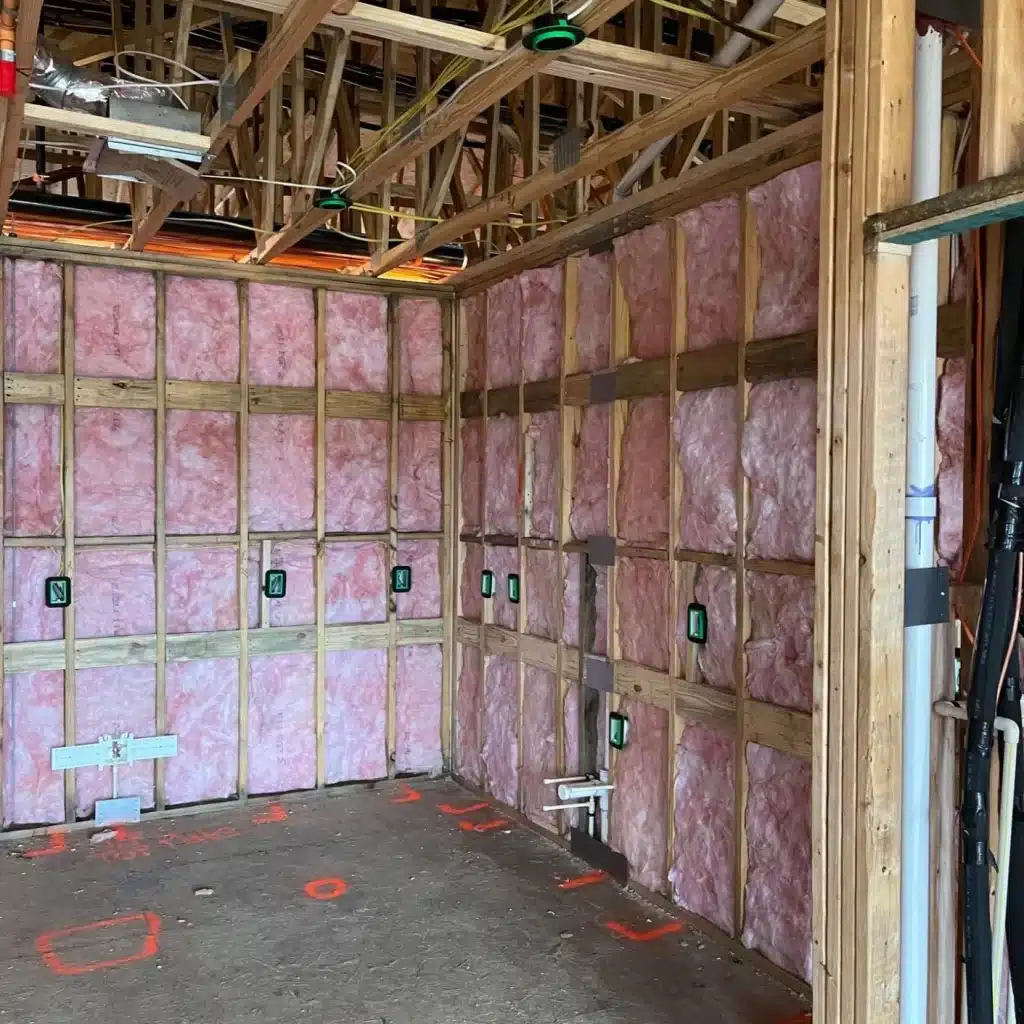
Key Wall Insulation Services Offered by Makeover Insulation
- Blown-In Insulation: Ideal for closed wall cavities or dense-pack applications using cellulose or fiberglass.
- Spray Foam Insulation: Best for combined air sealing and high R-value performance.
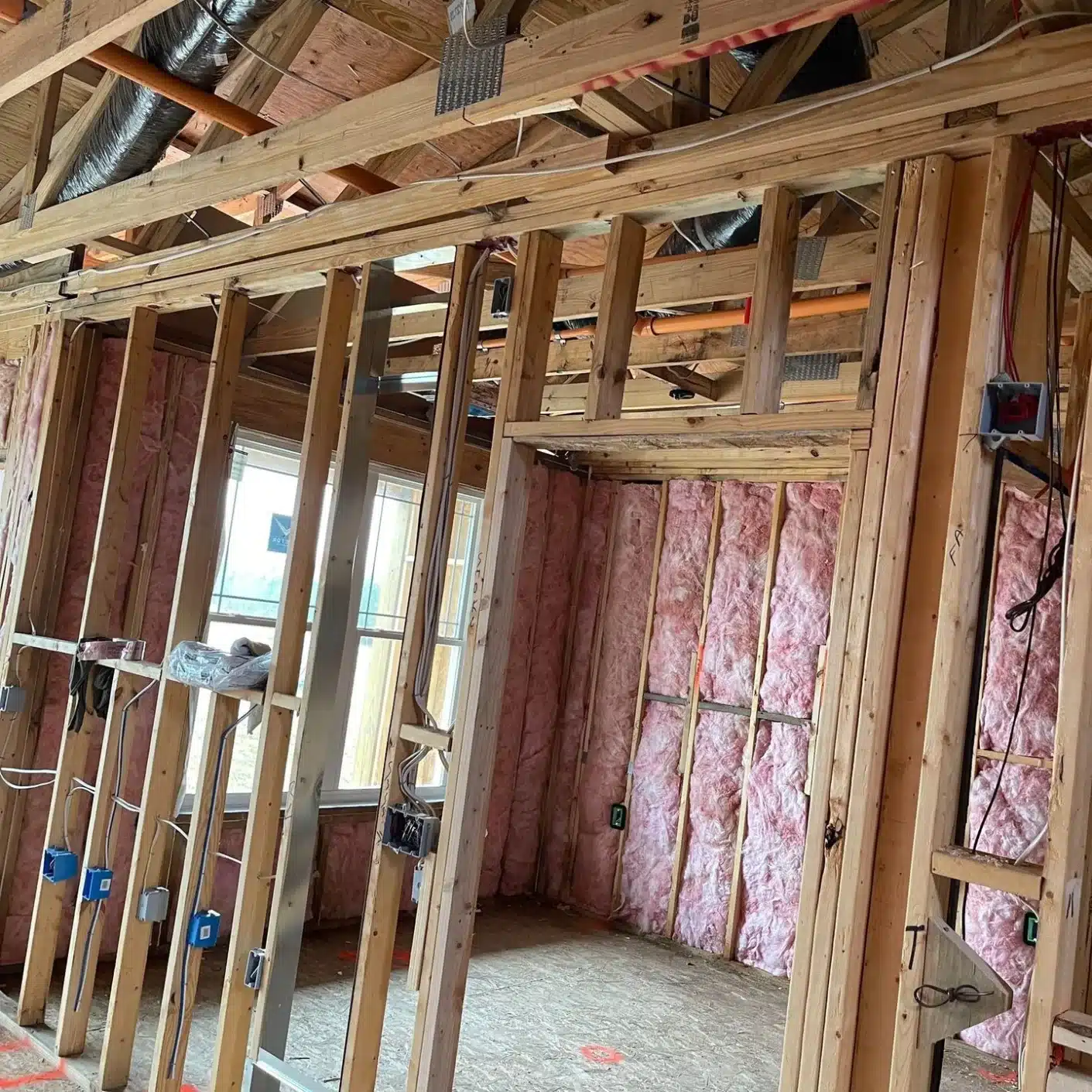
- Batt Insulation: Suited for new construction or open wall retrofits with standard stud spacing.
- Insulation Removal: Prepares walls for re-insulation, especially when old materials have degraded or absorbed moisture.
Immediate Decision Questions About Wall Insulation
How long does wall insulation take to install?
Install time ranges from a few hours (for batts or blown-in in accessible walls) to one day per zone when retrofitting occupied homes.
Can existing walls be insulated without removing drywall?
Yes. Blown-in cellulose or fiberglass can be installed through small access holes. This limits disruption and drywall repair needs.
Does wall insulation help with soundproofing?
Yes. Denser materials like cellulose and spray foam reduce airborne sound transmission significantly.
What signs indicate poor wall insulation?
Uneven temperatures, drafty interior walls, high energy bills, and cold spots often point to insufficient or degraded wall insulation.
Final Thoughts
Wall insulation in Gwinnett County is a foundational step in creating energy-efficient, climate-responsive structures. Choosing the right materials based on wall type, exposure, and local code requirements yields long-term performance. Insulation isn’t just about savings it improves livability, reduces environmental impact, and supports better building practices.
Contact Makeover Insulation
To discuss wall insulation strategies tailored for homes or buildings in Gwinnett County, contact Makeover Insulation at (404) 800-0300 or email [email protected]. Our team provides region-specific application methods based on real-world results across Georgia homes and builds.
Long-Term Guidance on Wall Insulation Performance
How often should wall insulation be inspected?
Every 3–5 years, or sooner if signs of moisture, mold, or draft reappear.
Can insulation effectiveness degrade over time?
Yes. Settling, moisture exposure, or pest damage can lower insulation performance over time.
What is the expected lifespan of wall insulation?
Closed-cell spray foam lasts 30+ years. Cellulose and fiberglass can last 20–30 years with proper installation and no moisture issues.
Can wall insulation affect indoor air quality?
Yes. Materials like spray foam or treated cellulose reduce outside pollutant infiltration. Ensure products meet low-VOC standards.
Is there maintenance needed after insulation is installed?
Minimal. Check for signs of leaks or drywall issues that may signal hidden moisture problems.