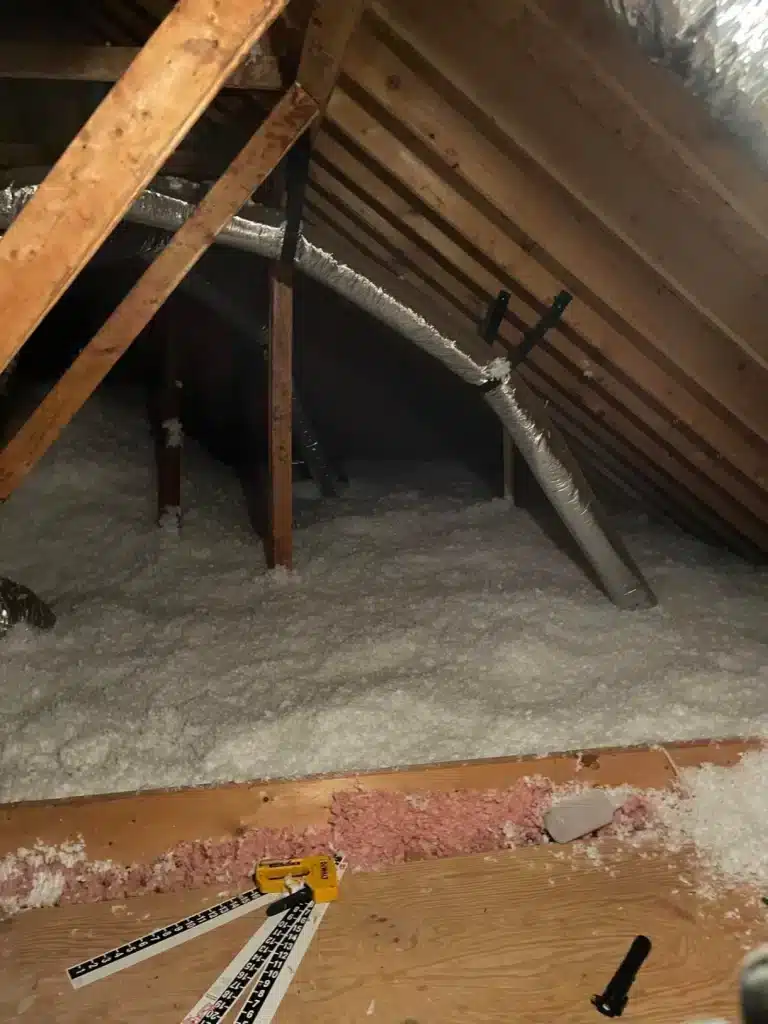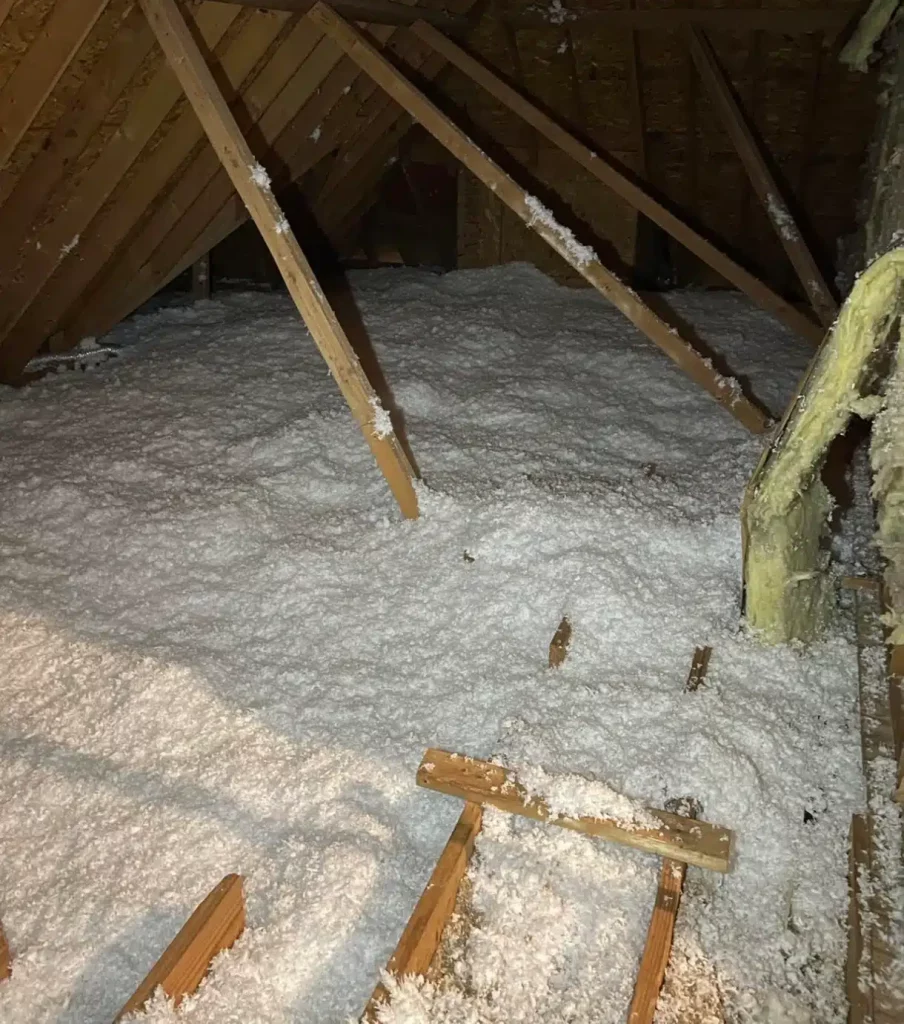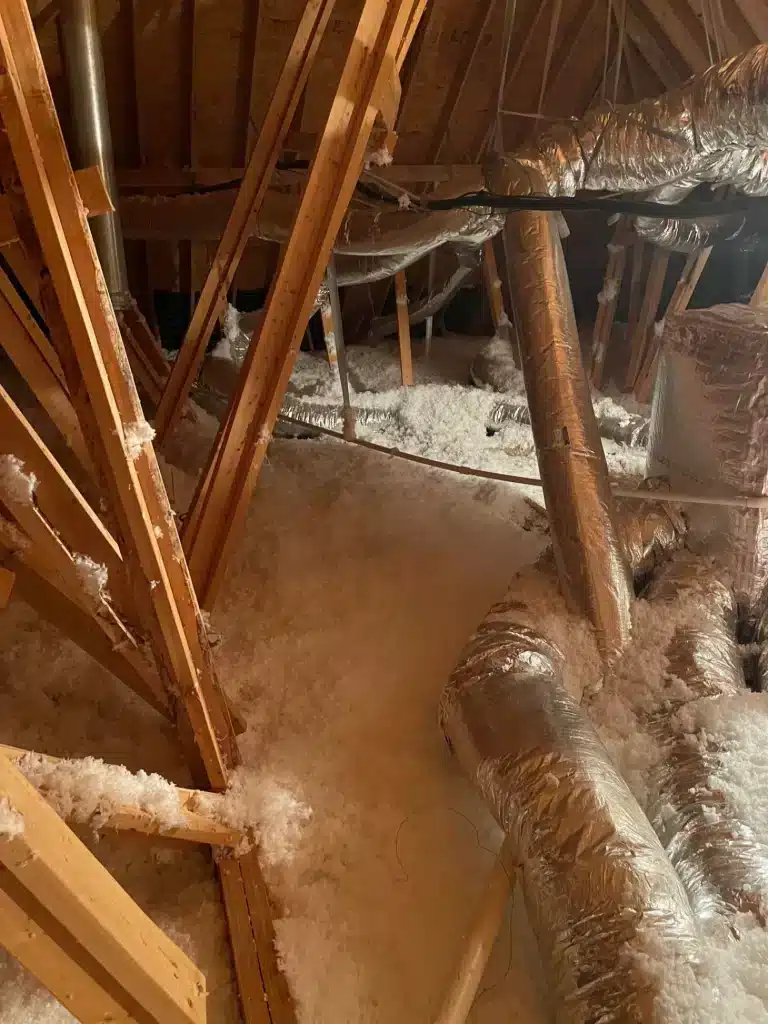

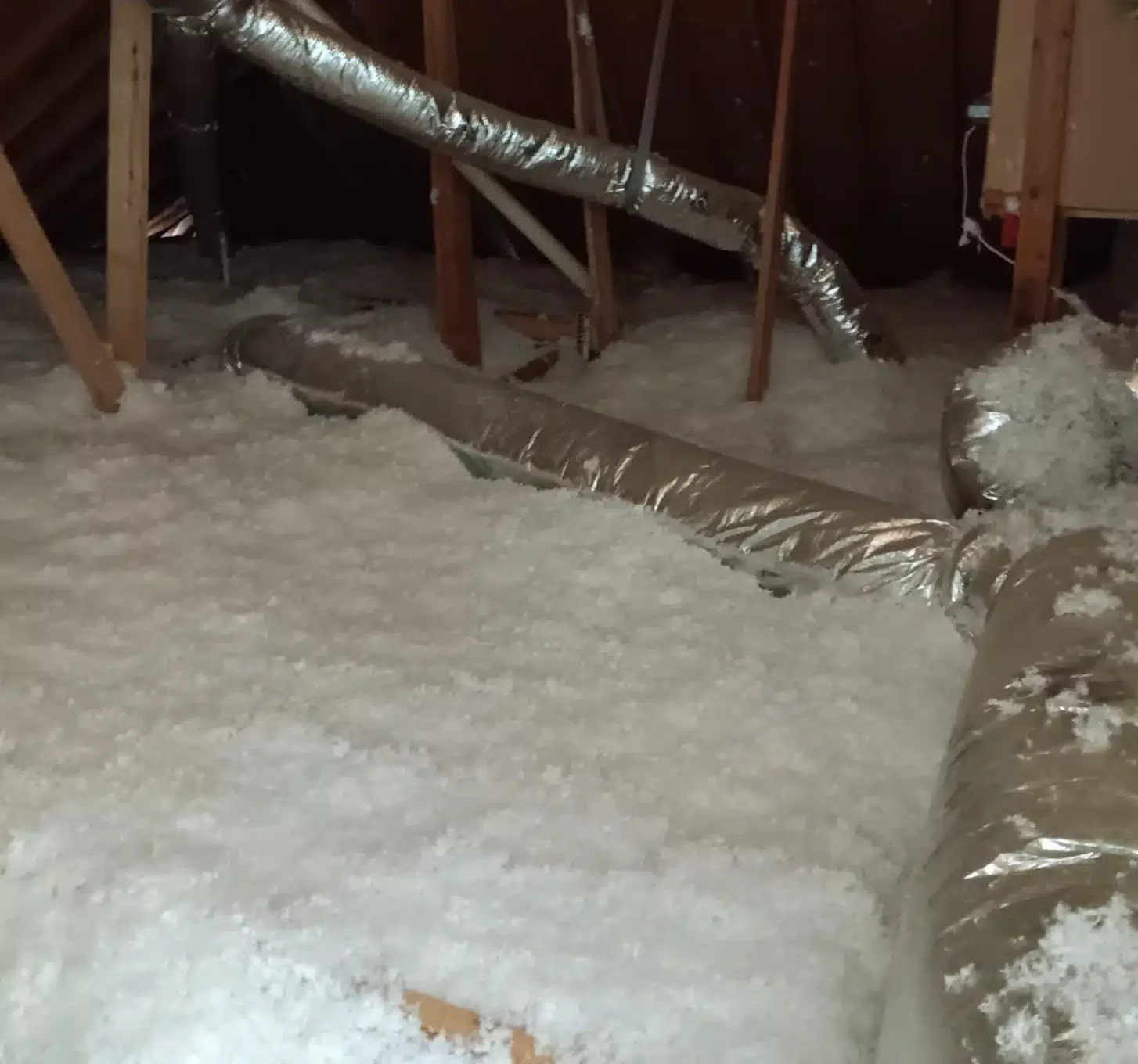
Yes, certain types of blown-in insulation can significantly contribute to attic pest control, but it’s not a standalone solution. The effectiveness depends entirely on the material used. Borate-treated cellulose insulation is designed to be pest-resistant, creating an environment that is inhospitable to many common attic pests like cockroaches, silverfish, and termites. The insulation works by filling gaps and voids, which makes it physically difficult for rodents to nest, while the borate treatment acts as a deterrent for insects.
This material is not a pesticide; instead, it disrupts the digestive systems of insects that try to consume it. This guide explains how specific blown-in insulation materials aid in pest management, what to consider before installation, and how it fits into a comprehensive pest control strategy. The information is based on years of field experience dealing with the intersection of insulation performance and pest-related attic damage.
How Blown-In Insulation Deters Pests
The primary mechanism for pest control in blown-in insulation comes from the material itself. Unlike traditional fiberglass batts that rodents can easily tear apart for nesting, the dense, loose-fill nature of blown-in cellulose presents a challenge.
The most effective material for this purpose is cellulose insulation made from recycled paper and treated with borates. Borates are a naturally occurring mineral class. An information sheet from the National Pesticide Information Center explains that boric acid and its sodium salts are lethal to insects when ingested. Pests like termites, ants, and cockroaches that groom themselves or consume the material will ingest the borates, which disrupts their metabolism. For larger pests like mice and rats, the material is difficult to tunnel through and doesn’t hold its shape for nesting, encouraging them to find more suitable accommodations.
Bonus Tip: While insulation deters nesting, the best defense is preventing entry altogether. Before adding new insulation, it’s essential to perform attic air sealing to seal small cracks, gaps around plumbing pipes, and other entry points pests use.
A Look at Different Insulation Types and Pest Resistance
Not all insulation materials offer the same level of pest deterrence. Some can even provide ideal nesting material for rodents and other unwanted guests. Understanding the differences is key to making an informed choice for your attic.
| Insulation Type | Pest Resistance Mechanism | Common Pests Affected | Additional Benefits |
|---|---|---|---|
| Borate-Treated Cellulose | Chemical (Borate) & Physical Barrier | Cockroaches, termites, silverfish, ants. Deters rodents from nesting. | Excellent thermal performance, sound dampening, made from recycled materials. |
| Fiberglass (Blown-In) | Minimal Physical Barrier | None. Rodents (mice, rats, squirrels) can easily tunnel and nest in it. | Good thermal performance, non-combustible. |
| Spray Foam | Strong Physical Barrier | Seals entry points for most pests. | Excellent air sealant, high R-value per inch. |
While spray foam provides a great physical barrier, some insects can still cause problems. According to the U.S. Department of Energy, termites have been known to tunnel through spray foam insulation, making it important to maintain termite protection measures even with this insulation type. Fiberglass, on the other hand, offers virtually no pest resistance and is a favored nesting material for rodents.
Things to Consider Before Making a Decision
Before you invest in new insulation as a pest deterrent, there are several important factors to evaluate to ensure you get the desired results.
Existing Pest Infestations
New insulation should never be installed over an existing pest problem. If you have an active infestation, the pests must be professionally removed first. Covering them with insulation will only trap them and potentially hide the extent of the damage they are causing to your home’s structure.
Type of Pests
The effectiveness of the insulation varies with the pest. Borate-treated cellulose is highly effective against most common insects. For rodents, however, the primary defense is exclusion. Sealing entry points is far more effective at keeping mice and rats out than any insulation material alone. The insulation serves as a secondary deterrent that makes the attic a less comfortable place to build a nest.
Quality of Installation
For blown-in insulation to work as a pest barrier, it must be installed correctly. The material needs to be applied to the recommended depth and achieve full, even coverage. Any gaps, thin spots, or uncovered areas can become weak points that pests will exploit. This is why professional installation is critical.
Long-Term Pest Management
Pest-resistant insulation is one part of a complete home pest management plan. It is not a set-it-and-forget-it solution. Regular inspections of your attic and home exterior are still necessary to spot signs of pest activity early and ensure that new entry points haven’t developed over time.
Bonus Tip: To support your long-term management plan, schedule an annual attic inspection to check for signs of moisture, mold, and pest activity. Early detection can save you from more expensive repairs down the road.
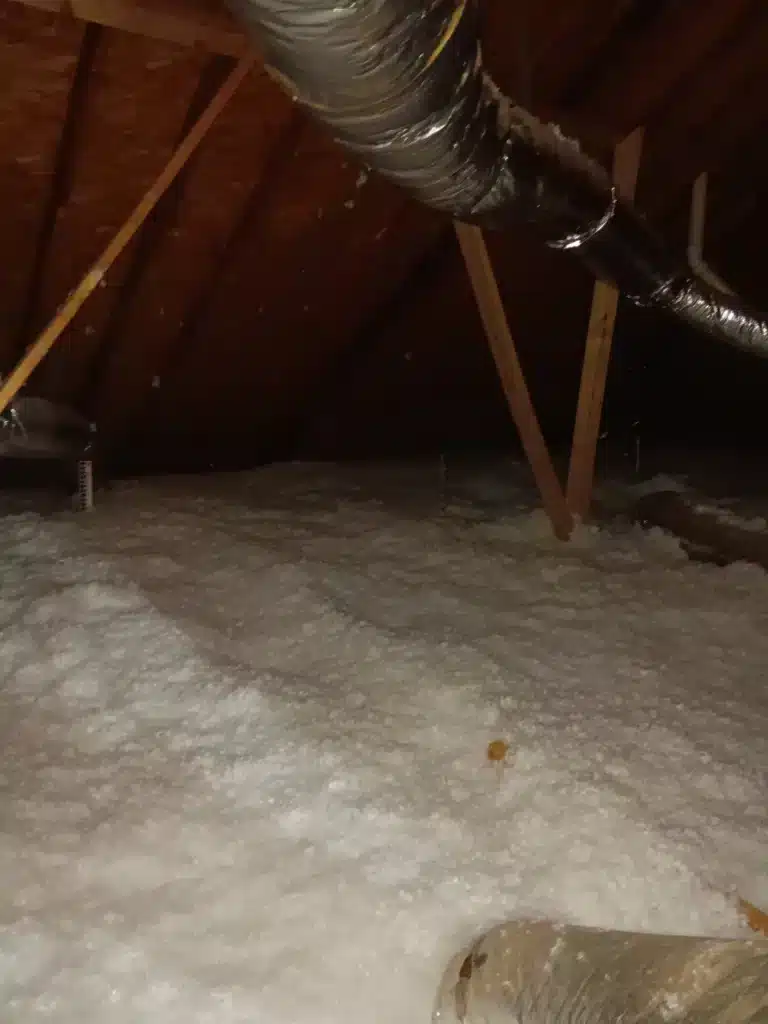
A Smarter Approach to a Pest-Free Attic
Blown-in insulation, specifically borate-treated cellulose, is a highly effective tool in an overall attic pest management strategy. While it won’t make your home pest-proof on its own, it makes your attic a much less attractive place for insects and rodents to live and breed.
The best approach involves a multi-step process: first, have your attic professionally inspected and any existing infestations removed. Second, perform comprehensive air sealing to block entry points. Finally, install a high-quality, pest-resistant insulation material. By taking these steps, you can improve your home’s energy efficiency while creating a powerful defense against common attic pests.
Get a Professional Attic Assessment
To put this smarter approach into action, a thorough attic insulation inspection is the first step toward understanding your insulation needs and identifying potential pest vulnerabilities. A professional evaluation can determine the best course of action for creating a more comfortable, energy-efficient, and pest-resistant home. To schedule a detailed assessment of your attic’s condition, contact Makeover Insulation LLC at (404) 800-0300 or send an email to [email protected] for more information.
Sources
- National Pesticide Information Center – Provides a detailed fact sheet on boric acid and borates and how they affect insects.
- U.S. Department of Energy – Offers comprehensive information on different types of insulation, including how pests like termites can interact with spray foam.
- Environmental Protection Agency – Publishes risk assessments and fact sheets on common pesticides and chemicals, including the low mammalian toxicity of borates.
FAQS
What are the first signs of pests in attic insulation?
Look for droppings, tunnels or pathways through the insulation, and shredded or disturbed material. You might also hear scratching or scurrying noises, especially at night when rodents are most active.
Can I just add pest-resistant insulation on top of my old insulation?
This is only recommended if the existing insulation is in good condition and completely free of pests, moisture, and mold. In many cases, it’s better to have the old, potentially contaminated insulation removed before installing the new material. This ensures a clean slate and removes any nests, droppings, or pheromone trails that could attract new pests.
Will pest-resistant insulation stop mice and rats completely?
No, it won’t stop them from entering the attic if there is an opening. Its main function is to deter them from nesting. The most effective strategy for rodents is to find and seal every possible entry point, no matter how small.
How does air sealing the attic contribute to pest control?
Air sealing closes the small gaps around wiring, plumbing stacks, attic hatches, and light fixtures. These are the hidden highways that mice, insects, and other pests use to move from the outside or from your walls into the attic. Sealing them is a fundamental step in pest exclusion.
.