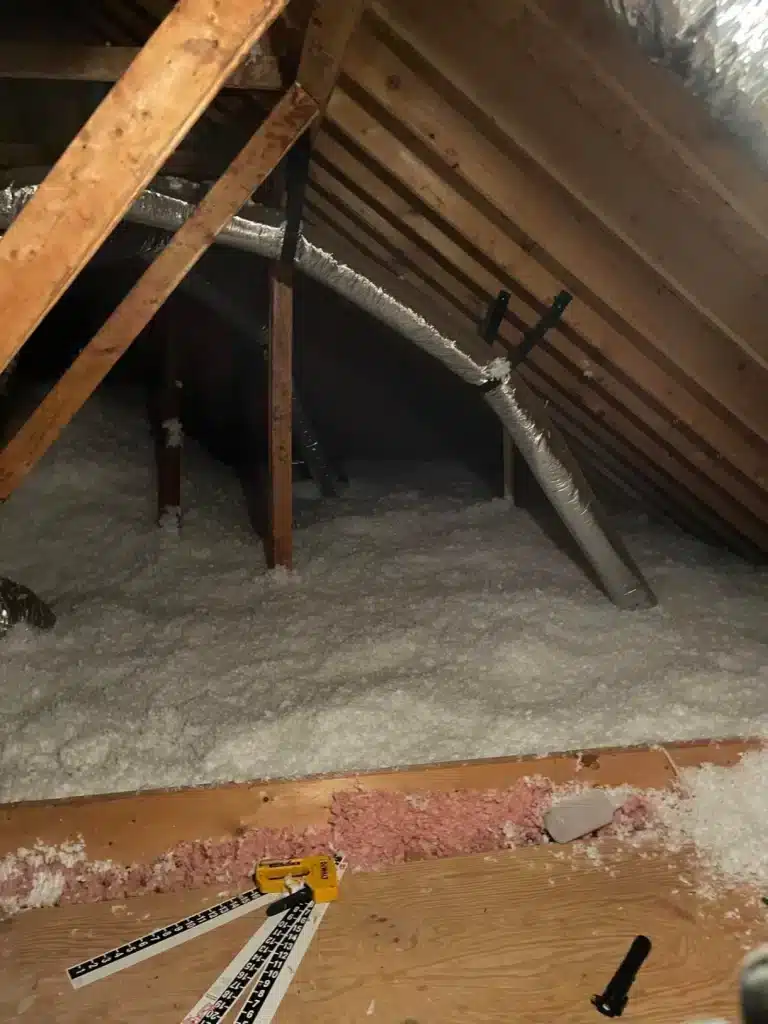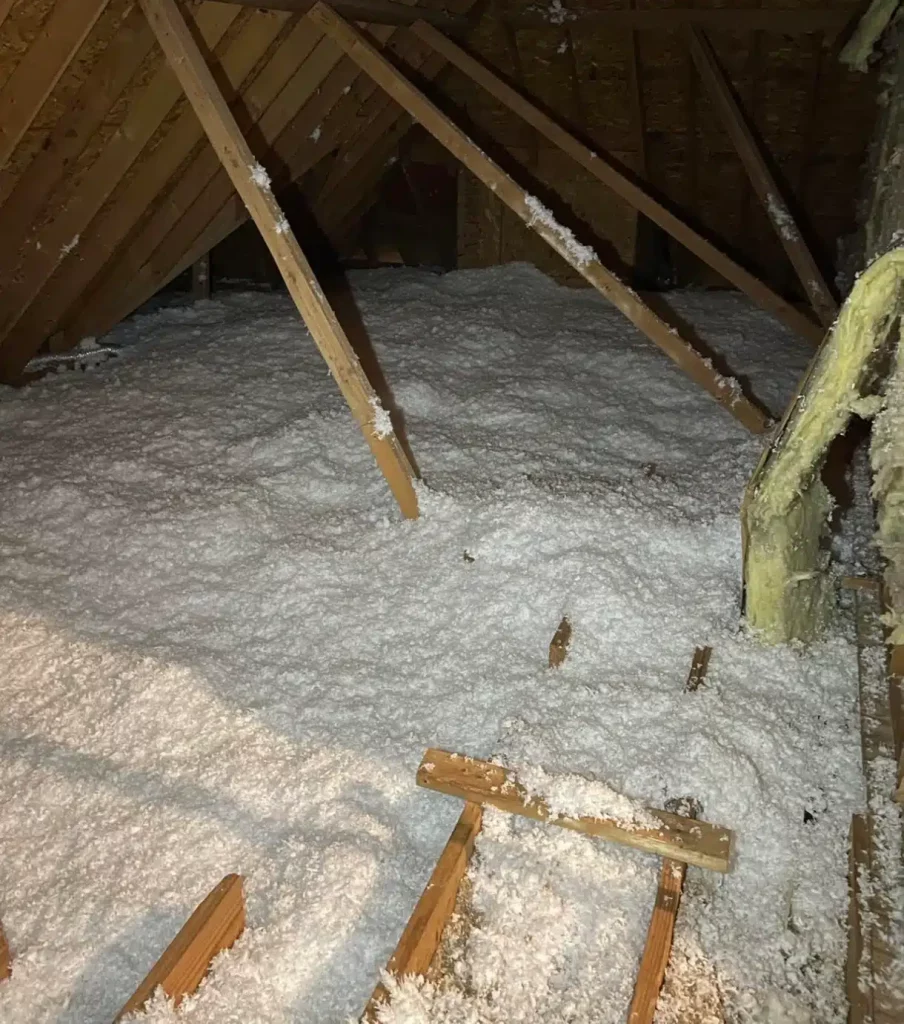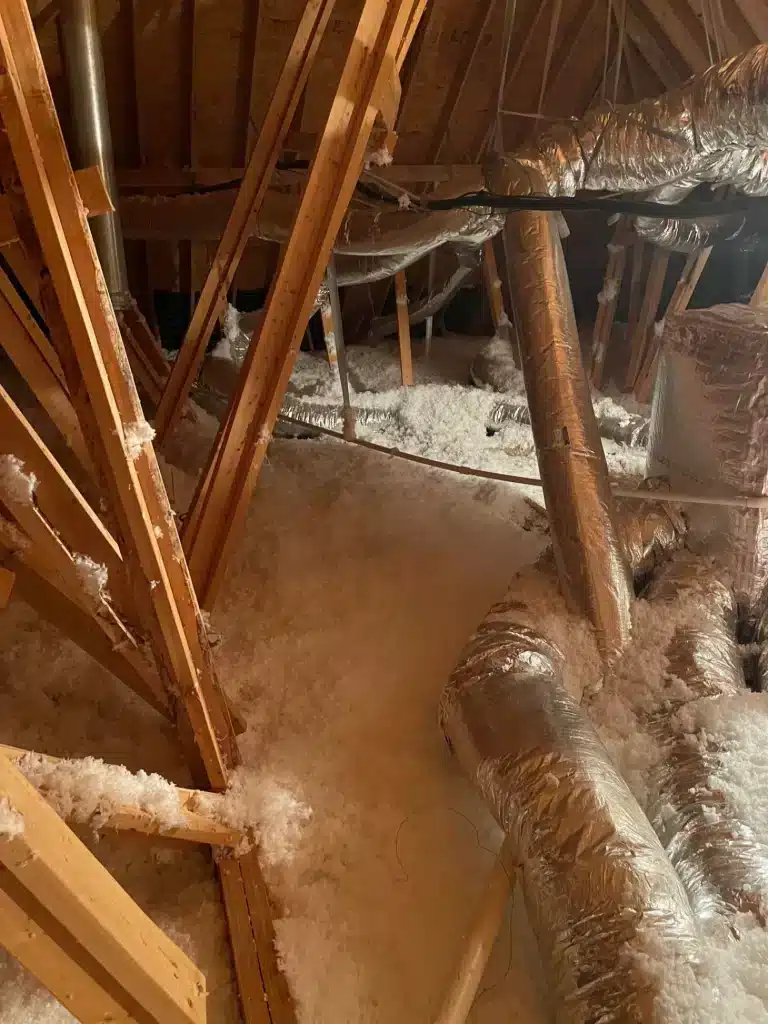

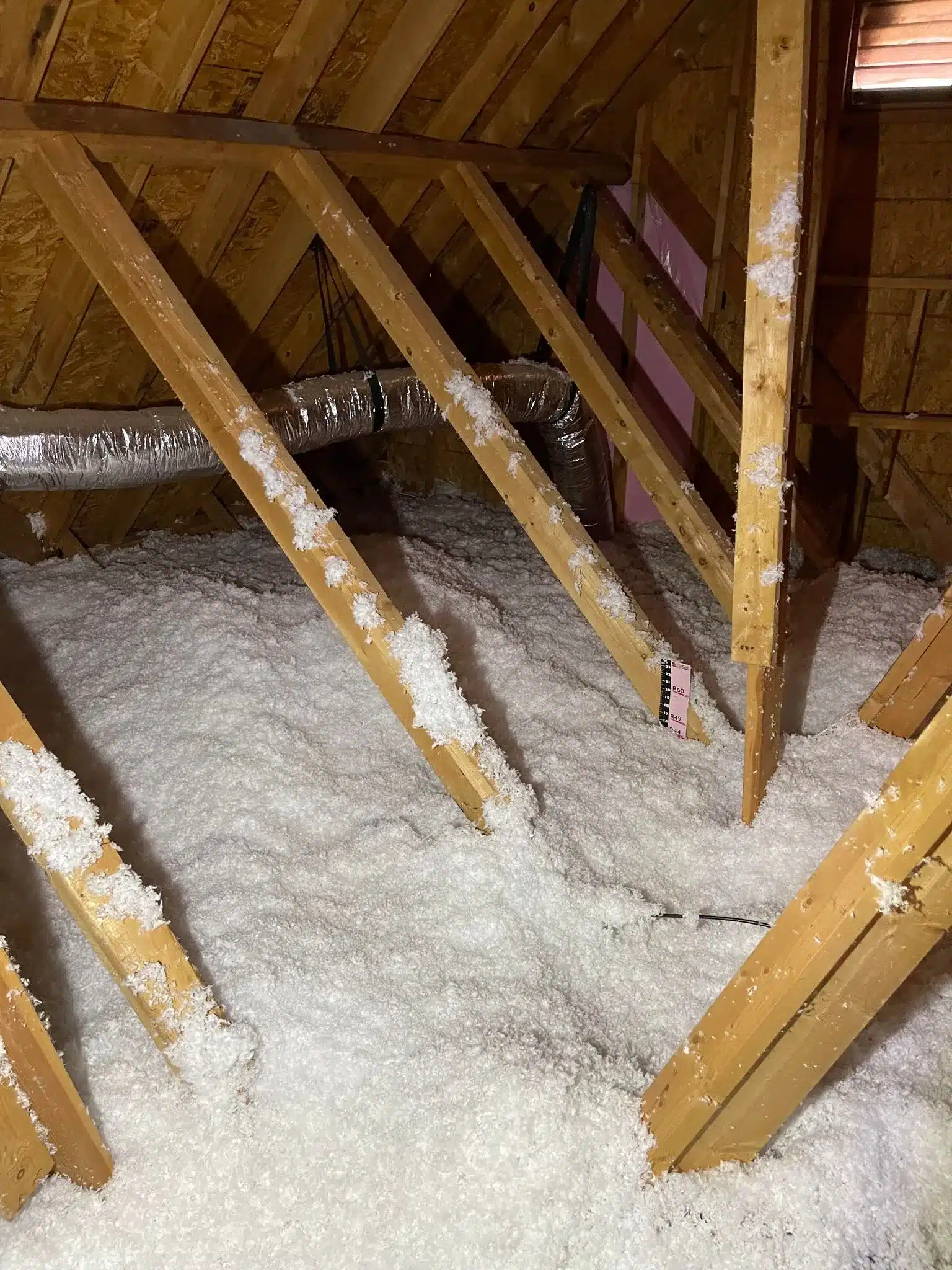
A proper insulation system makes a space in Atlanta feel more solid by sealing gaps, stabilizing temperatures, and blocking outside noise. This setup creates a barrier that keeps conditioned air inside and prevents drafts from sneaking through walls or floors. Homeowners often notice their rooms hold steady comfort levels, even during Georgia’s humid summers or chilly evenings.
In Atlanta’s climate, where temperatures swing from hot and sticky to cool and damp, good insulation acts like a shield. It reduces energy loss and maintains even pressure inside the building. This article breaks down the mechanics behind this effect, shares practical details for local conditions, and offers steps to assess your setup. Information here draws from hands-on work with insulation projects across the metro area, ensuring reliable guidance based on real results.
Key Ways Insulation Builds Solidity
Insulation starts by controlling heat flow. Materials like fiberglass or foam fill cavities in walls and attics, slowing down the transfer of warmth or coolness. In Atlanta, where summers hit averages above 90°F, this keeps interiors from feeling stuffy or uneven. A study from the U.S. Department of Energy points out that proper insulation can cut heating and cooling costs by up to 30% in mixed climates like Georgia’s.
Beyond temperature, insulation tackles air movement. Gaps around windows or doors let outside air rush in, making spaces feel airy and unstable. Sealing these with insulation creates a tighter envelope. Residents report that after upgrades, their homes resist wind from occasional storms better, adding to that grounded sensation.
Temperature Stability in Atlanta’s Weather
Atlanta faces hot, humid summers and mild but variable winters, with average highs of 89°F in July and lows around 34°F in January, according to data from the National Weather Service. Insulation helps by maintaining consistent indoor temperatures, which makes rooms feel secure and less prone to sudden shifts.
Foam board or Atlanta spray foam options work well here because they resist moisture from high humidity levels, often over 70% in summer months. This prevents mold growth and keeps structures from warping, contributing to a solid feel. Without it, heat builds up quickly, forcing air conditioners to run nonstop and creating hot spots that make spaces seem flimsy.
Bonus Tip: Check attic ventilation alongside insulation. Poor airflow traps heat, undoing some benefits. Simple vents can improve performance by 15-20% in humid areas.
Market data shows that Georgia homes with updated insulation see 25% less energy use during peak summer, per a report from the U.S. Energy Information Administration. This stability translates to fewer temperature swings, enhancing the overall sturdiness.
Blocking Noise for a Quieter, Firmer Space
Sound travels easily through thin walls, making busy Atlanta neighborhoods feel chaotic inside. Insulation absorbs vibrations, reducing echoes and external racket from traffic on I-85 or nearby construction. Cellulose or rock wool materials excel at this, damping noise by up to 50% compared to bare walls.
In urban settings, this effect makes interiors feel more enclosed and robust. Tests from the National Institute of Building Sciences confirm that adding insulation to interior walls cuts sound transmission by 10-15 decibels, enough to quiet conversations or street sounds significantly.
Bonus Tip: Layer insulation in floors for multi-story homes. This stops footsteps from upstairs traveling down, creating a more unified, solid atmosphere throughout.
Homes near Hartsfield-Jackson Airport benefit most, as constant jet noise drops noticeably after insulation work. This quieter environment reinforces the sense of a well-built, dependable space.
Sealing Air Leaks to Eliminate Drafts
Drafts make any room feel drafty and weak, especially in Atlanta’s windy fall days. Insulation seals cracks and joints, stopping air infiltration that can reach 30-40% of energy loss in older homes, as noted in a Building Science Corporation analysis.
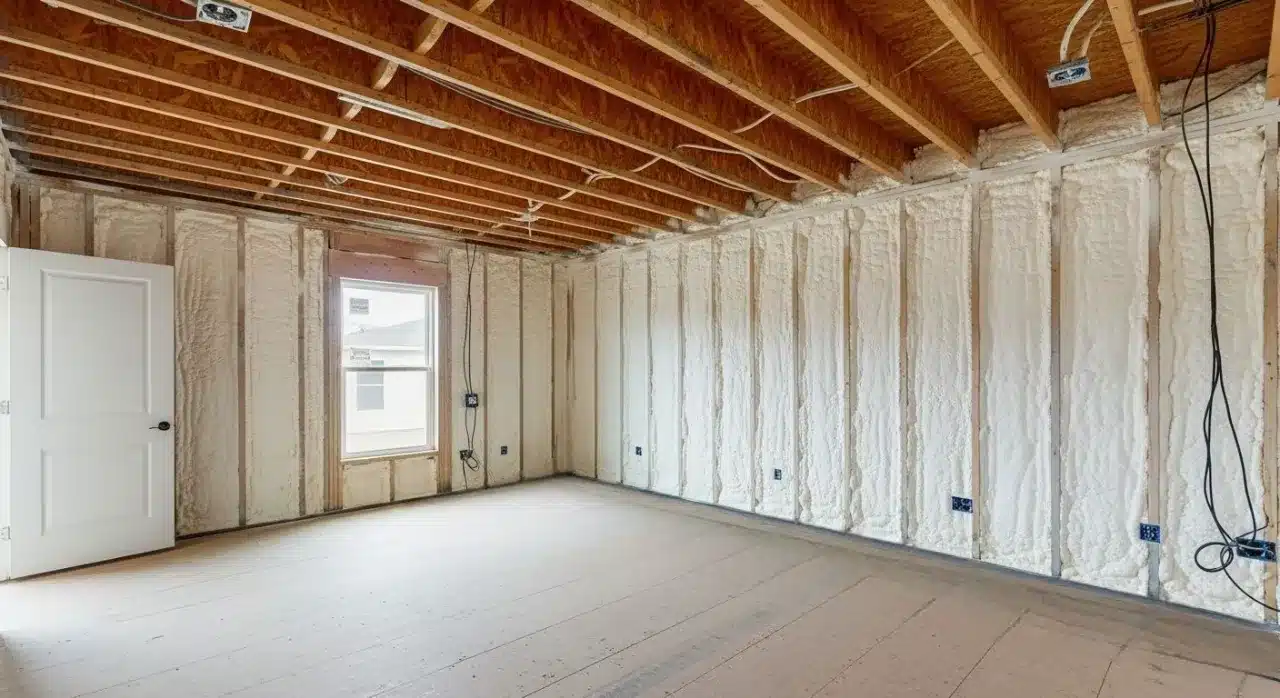
Rigid foam around outlets and panels in attics create airtight barriers. This not only saves on bills but also prevents humidity from condensing inside walls, which could weaken structures over time. Atlanta’s clay soils expand with rain, causing minor shifts; sealed insulation keeps interiors unaffected.
| Insulation Type | R-Value per Inch | Best for Atlanta Climate | Noise Reduction Benefit |
|---|---|---|---|
| Fiberglass Batts | 3.1-4.4 | General walls, affordable | Moderate, absorbs mid-range sounds |
| Spray Foam | 6.0-7.0 | Air sealing, moisture control | High, fills gaps completely |
| Cellulose Blown-in | 3.2-3.8 | Attics, eco-friendly | Good, dense packing quiets echoes |
| Rigid Foam Board | 4.0-6.5 | Basements, exterior | Excellent for drafts, blocks low frequencies |
This table compares common types, highlighting how each adds to solidity through better sealing and stability.
With these sealing techniques in mind, consider the following factors before deciding on your insulation project.
Things to Consider Before Making a Decision
Assess your home’s age and current setup first. Older Atlanta bungalows from the 1950s often lack modern barriers, leading to higher leaks. Inspect for signs like uneven heating or high utility bills over $200 monthly.
Think about moisture levels too. Atlanta’s humidity demands vapor barriers to avoid trapped dampness. Budget plays a role; basic batts cost $1-2 per square foot, while spray foam runs $3-5. Long-term savings from lower energy use, around 20% in Georgia per Georgia Power estimates, offset initial outlays.
Consult local codes, as metro area rules require R-38 in attics for new work. Factor in your lifestyle—families with kids might prioritize noise control over basic thermal gains.
Bonus Tip: Test air leaks with a blower door before starting. This identifies weak spots, ensuring insulation targets real issues for maximum solidity.
Final Thoughts on Insulation Benefits
Proper insulation delivers solidity through steady temperatures, quiet spaces, and draft-free comfort tailored to Atlanta’s demands. Key points include choosing materials that fight humidity and seal leaks for lasting results. Evaluate your home’s current state against these factors, considering energy goals and daily needs to decide on upgrades.
Contact for Guidance
For details on insulation services in Atlanta, GA, reach out to Makeover Insulation at [email protected] or call (404) 800-0300. Discussions help clarify how these systems fit specific Atlanta properties, drawing from extensive local experience. (78 words)
Sources
- U.S. Department of Energy – Government resource on insulation benefits and energy savings in various climates.
- National Weather Service – Official climate data for Atlanta, including temperature and humidity averages.
- U.S. Energy Information Administration – National report on residential energy use, including insulation impacts in southern states.
Frequently Asked Questions
How long does insulation last in humid conditions?
Materials like closed-cell foam endure 50+ years without degrading, resisting Atlanta’s moisture better than open-cell types.
Does insulation affect home resale value?
Yes, updated systems boost appraisals by 5-10%, as buyers seek energy-efficient features in Georgia’s market.
What R-value suits Atlanta homes?
Aim for R-30 to R-49 in attics and R-13 to R-19 in walls to handle seasonal swings effectively.
Can Insulation Help with Atlanta’s Summer Humidity?
Insulation paired with dehumidifiers controls indoor moisture. Closed-cell types add a vapor barrier, keeping relative humidity below 60% and preventing that sticky feel even on 95°F days.
How Much Does It Cost to Insulate an Average Atlanta Home?
For a 2,000-square-foot house, expect $2,000-$5,000, depending on type. Savings kick in quickly, with payback in 3-5 years through reduced AC use.
Is DIY Insulation Effective for Solidity?
Basic batts work for accessible areas, but pros handle sealing for best results. Gaps from amateur work reduce effectiveness by 20-30%.
What Signs Show Poor Insulation in My Space?
Look for cold floors in winter, hot attics in summer, or rising noise from outside. Energy audits reveal leaks accurately.
Does Insulation Improve Indoor Air Quality?
It does by limiting dust and pollen entry. In Atlanta’s pollen-heavy springs, sealed systems cut allergens by sealing pathways.