
R-value measures how well insulation service resists heat flow. Higher R-values mean better thermal resistance, which keeps indoor spaces comfortable and cuts energy use. For example, walls with R-13 insulation hold heat better than those with R-11, leading to lower heating bills in winter.
This guide explains R-value in detail, from basics to practical applications. Readers will learn how to choose insulation based on climate and building needs. Makeover Insulation draws from years of hands-on projects to share reliable advice on effective insulation choices.
What R-Value Means
Insulation materials block heat transfer through conduction, convection, and radiation. R-value rates this resistance on a scale where each point equals one hour per square foot per British thermal unit under a one-degree temperature difference. Dense materials like foam boards often hit higher marks per inch than loose fills.
In practice, total R-value for an assembly like a wall combines layers. Add the R-values of each part, such as studs, sheathing, and air films, to get the overall rating. Builders calculate this to meet local codes, ensuring structures perform as expected. Understanding R-value is crucial because it directly influences energy efficiency in buildings.
How R-Value Impacts Energy Efficiency
Higher R-value directly lowers energy loss. Homes with adequate insulation use less power for heating and cooling. A study from the U.S. Department of Energy indicates that proper insulation reduces heating costs by up to 30 percent in cold regions.
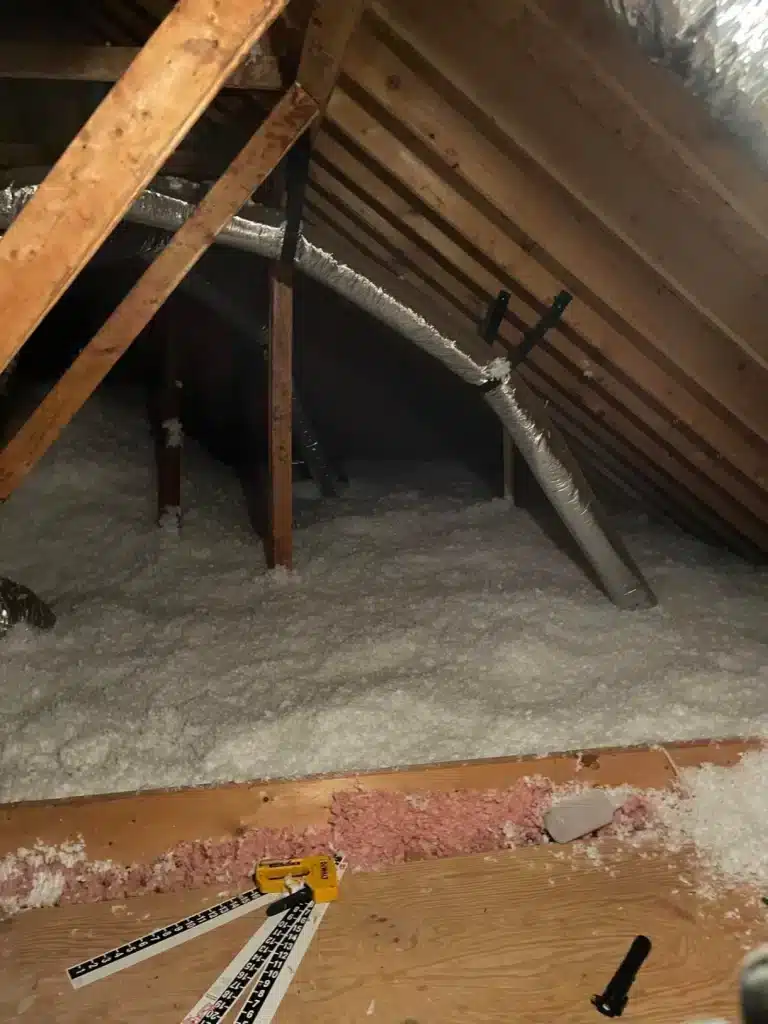
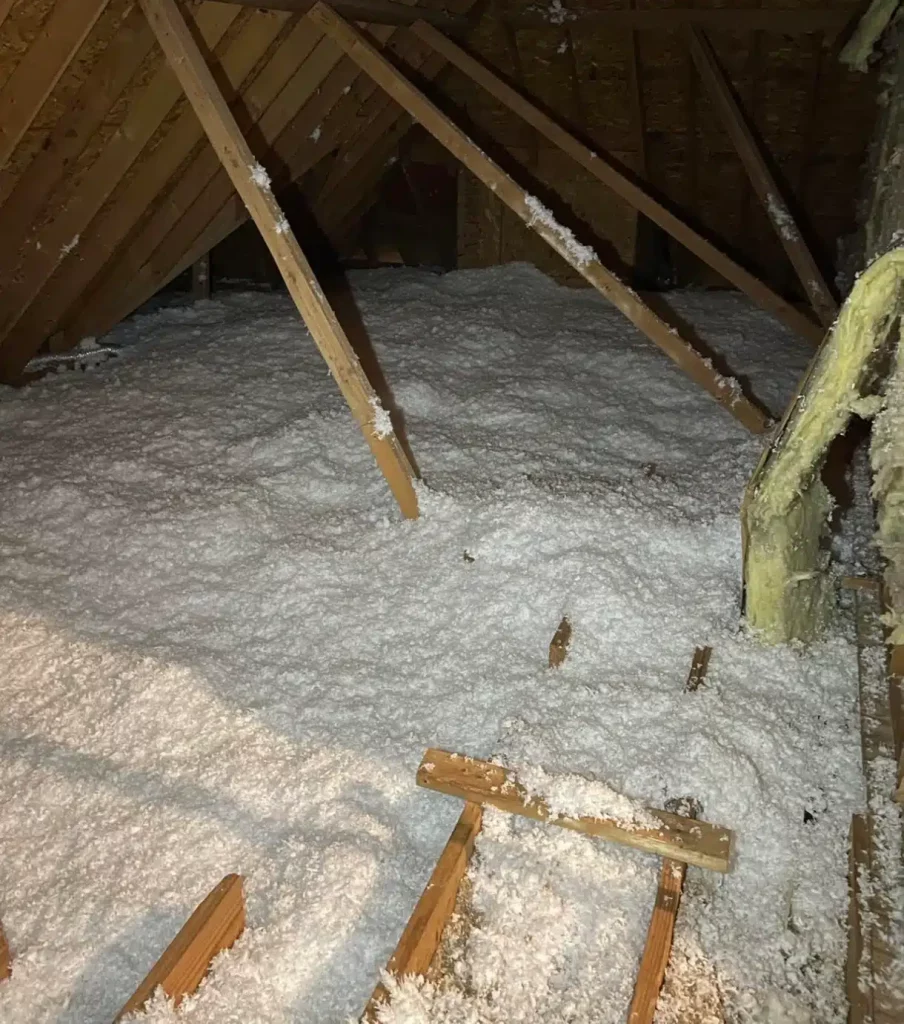
Consider a typical attic: upgrading from R-19 to R-38 can save hundreds annually on utility bills. This effect grows in extreme weather, where uninsulated spaces lose heat fast. Data from the Oak Ridge National Laboratory shows that U.S. buildings waste about 30 percent of energy through poor insulation, highlighting the need for strong R-values.
Bonus Tip
Test current R-value with a simple infrared camera during a home audit. This reveals weak spots before full replacement.
Common Insulation Materials and Their R-Values
Different materials suit various spots in a building. Fiberglass batts work well in walls, while spray foam fills odd shapes effectively. Below is a table comparing R-values for popular options per inch of thickness.
| Material | R-Value per Inch | Best Use Case |
|---|---|---|
| Fiberglass | 2.2 – 4.3 | Walls and attics |
| Cellulose | 3.1 – 3.8 | Blown-in for attics and walls |
| Spray Foam (Closed-Cell) | 6.0 – 7.0 | Rim joists and crawl spaces |
| Rigid Foam Board | 3.8 – 5.0 | Foundations and exterior walls |
| Mineral Wool | 3.0 – 4.0 | Fire-resistant applications |
For instance, closed-cell foam excels in moist areas due to its water resistance.
Bonus Tip
Pair materials for hybrid systems, like fiberglass with a foam facing, to boost overall R-value without major redesigns.
Climate Considerations for R-Value Selection
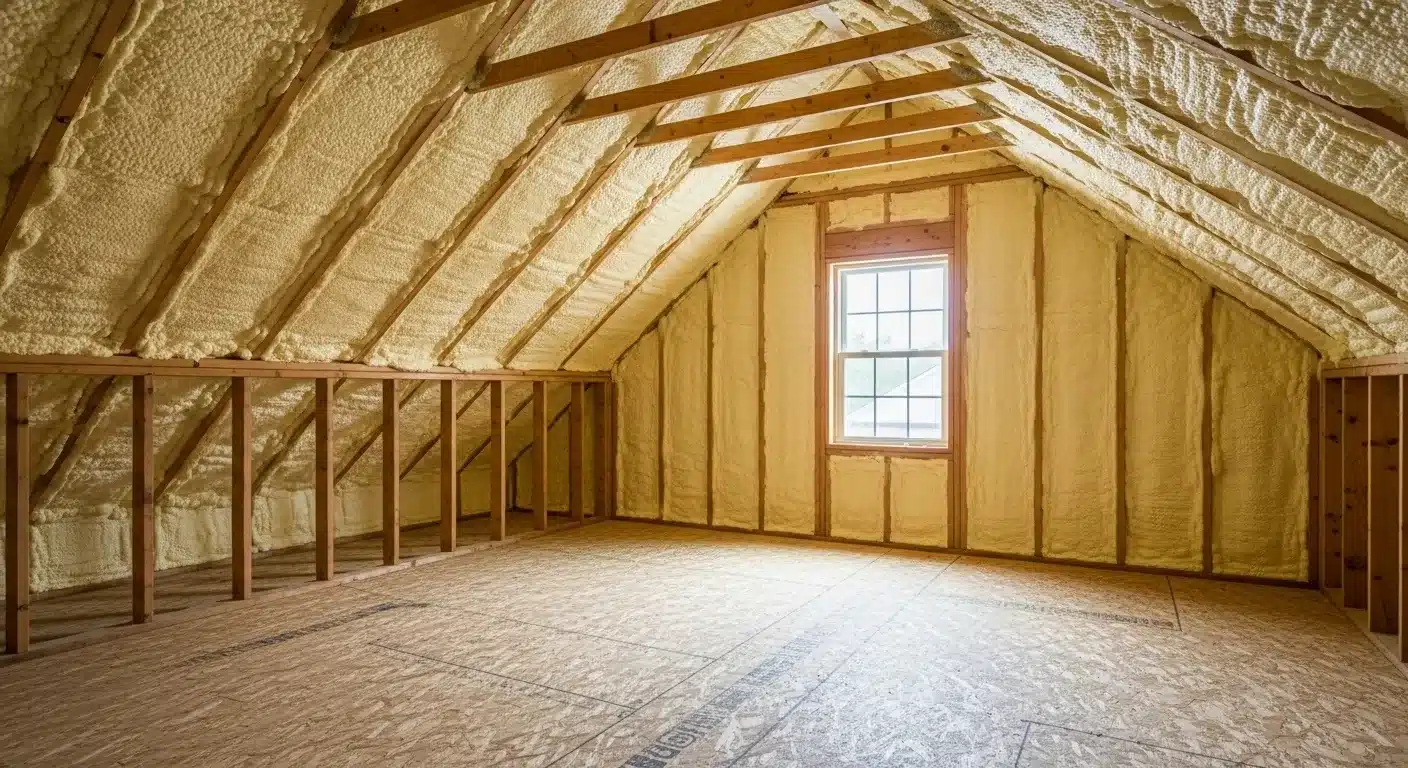
Local weather dictates ideal R-values. In northern states like Minnesota, codes require R-49 for attics to combat harsh winters. Southern areas like Georgia aim for R-30 to handle humid summers without excess cooling.
Humidity plays a role too. High-moisture climates need vapor barriers alongside insulation to prevent mold. The International Energy Conservation Code updates these standards every few years, so check recent versions for your zone.
Market facts show regional differences: In the U.S. South, insulation upgrades yield 15-20 percent savings on AC use, per Energy Star reports. Adjust choices to match these patterns for optimal results.
Things to Consider Before Making a Decision
Assess current insulation levels first. Pull back a small section of drywall or check the attic to gauge thickness and condition. Factor in building age; older homes often fall short of modern standards.
Budget matters, but weigh long-term savings. Initial costs for high R-value materials run higher, yet they pay back in 3-5 years through reduced bills. Beyond finances, health aspects count too: Avoid settling dust from degraded insulation by choosing low-emission types.
Professional inspection uncovers hidden issues like air leaks that undermine even high R-values. Plan for installation method, as improper fitting drops effectiveness by half.
Common Questions
Does a Higher R-Value Always Mean Better Insulation?
Many wonder if higher R-value always means better results. Not quite; it depends on the full system, including ventilation.
Should I Install Insulation Myself or Hire a Professional?
Others ask about DIY versus pro install. While basic jobs work for attics, complex walls benefit from experts to ensure even coverage.
How Much Does Insulation Cost and How Long Does It Last?
Cost questions arise often. Expect $1-3 per square foot for materials, varying by type. Longevity varies: Fiberglass lasts 20-30 years, while foam endures longer in stable conditions.
Bonus Tip
Document your setup with photos post-installation. This aids future maintenance or resale value assessments.
Final Thoughts
R-value stands as a key factor in effective insulation, directly tying to comfort and savings. Strong choices block heat loss, adapt to local conditions, and meet code requirements. Evaluate your space’s needs, current setup, and climate to pick the right level. Consider long-term energy goals when planning upgrades for the best outcomes.
Get Guidance on Insulation Options
For detailed advice on R-value applications, reach out to Makeover Insulation at [email protected] or call (404) 800-0300. Experts there review specific projects to suggest fitting solutions based on real-world experience. This step clarifies next moves without commitment.
Sources
- U.S. Department of Energy – Government guide on insulation basics, including R-value definitions and energy savings data.
- Oak Ridge National Laboratory – Research on building energy efficiency, providing facts on U.S. energy waste from poor insulation.
- Energy Star – Program resources on regional insulation benefits, with data on cooling savings in southern climates.
Key Questions on R-Value
How Do You Calculate Total R-Value for a Wall?
Add R-values of all layers, including air spaces and framing. Use online calculators from reliable sites for accuracy. Subtract thermal bridging from studs, which can reduce effective value by 20 percent.
Does R-Value Change Over Time?
Settling or moisture can lower it slightly. Fiberglass might compress 10-15 percent in years, so over-specify initially for lasting performance.
What R-Value Do I Need for My Attic?
It depends on climate zone. Zone 4 needs R-38 minimum, while Zone 6 calls for R-49. Consult local codes for exact figures.
Can Insulation Have Too High an R-Value?
Rarely, but excess can trap moisture in unvented assemblies. Balance with proper airflow to avoid condensation issues.
How Does R-Value Relate to Soundproofing?
Some overlap exists; denser insulations like mineral wool dampen noise better. For pure acoustics, seek STC ratings alongside R-value.