
Spray foam insulation exposed to moisture from a roof leak absorbs water, which reduces its thermal performance and leads to potential mold growth. The material, often installed in attics or walls, relies on its closed-cell structure to resist water, but leaks compromise this barrier. In such cases, the insulation loses insulating value by up to 50%, according to tests from the Department of Energy, and may require full removal to prevent further damage. Homeowners face higher energy bills and health risks if the issue persists.
This article breaks down the process step by step, from initial exposure to repair options, drawing on years of handling insulation problems in humid climates like the Southeast. Readers gain clear steps to spot trouble early and make informed choices. Makeover Insulation bases this guidance on direct work with affected properties, ensuring reliable advice for real-world scenarios.
How Moisture Enters Spray Foam Insulation
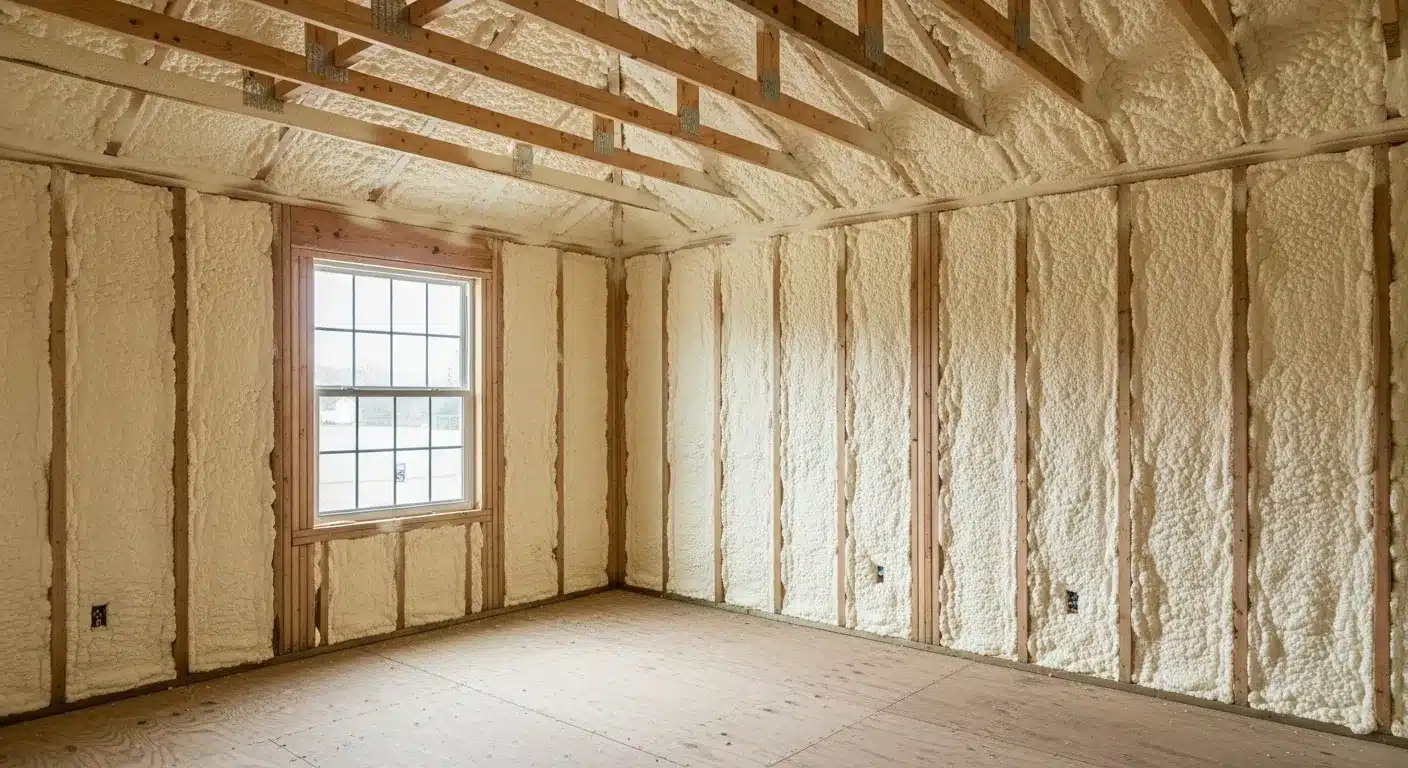
Roof leaks often start small, like from cracked shingles or poor flashing around vents. Water seeps through and reaches the insulation below, especially in attics where spray foam forms a continuous layer. Open-cell foam soaks up water like a sponge, while closed-cell types hold less but still suffer if the leak continues.
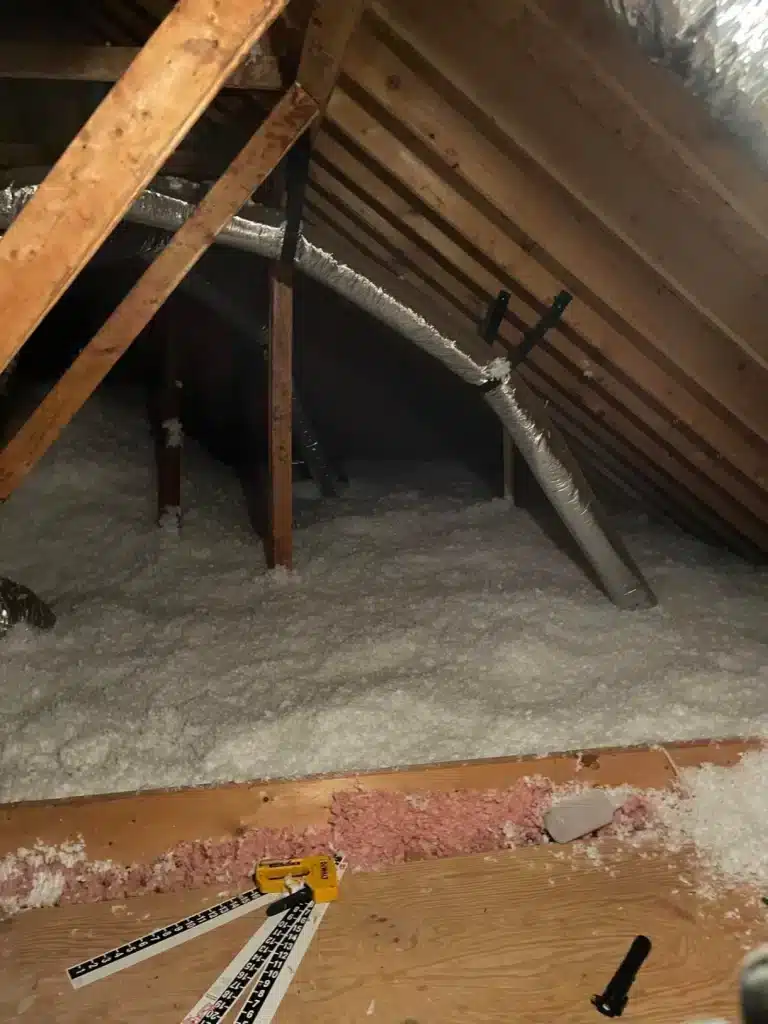
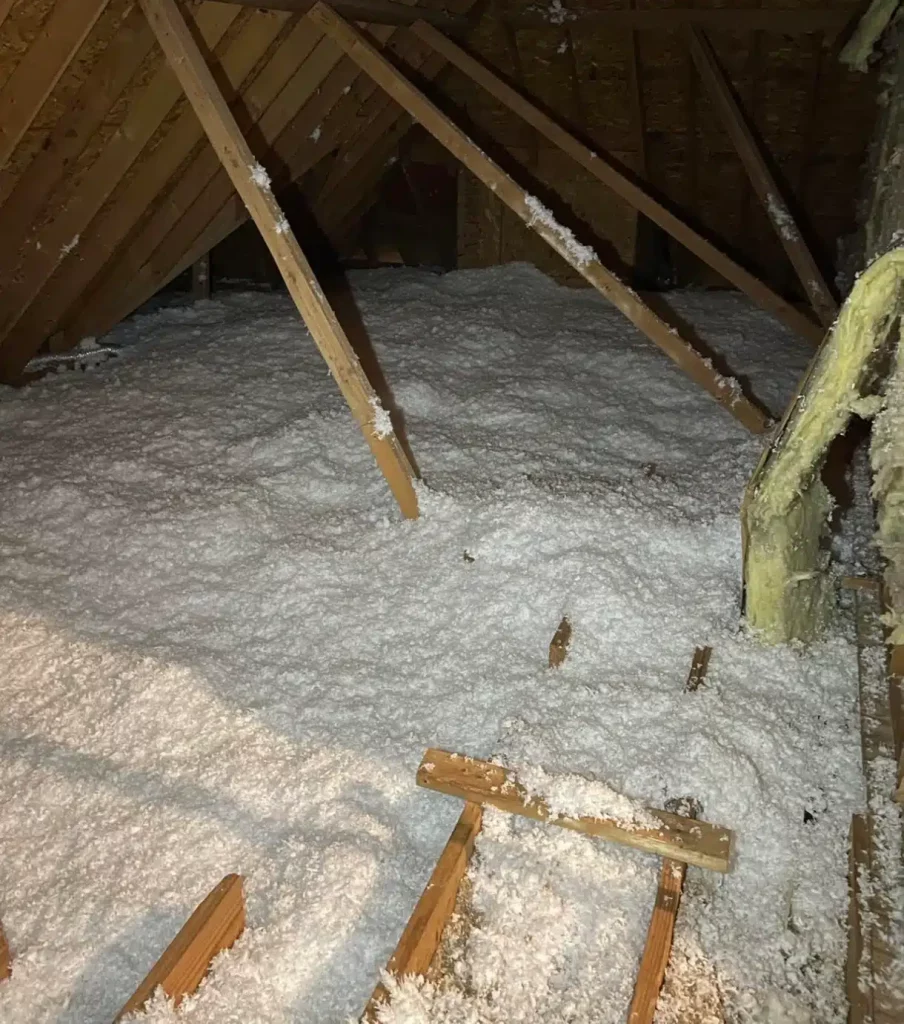
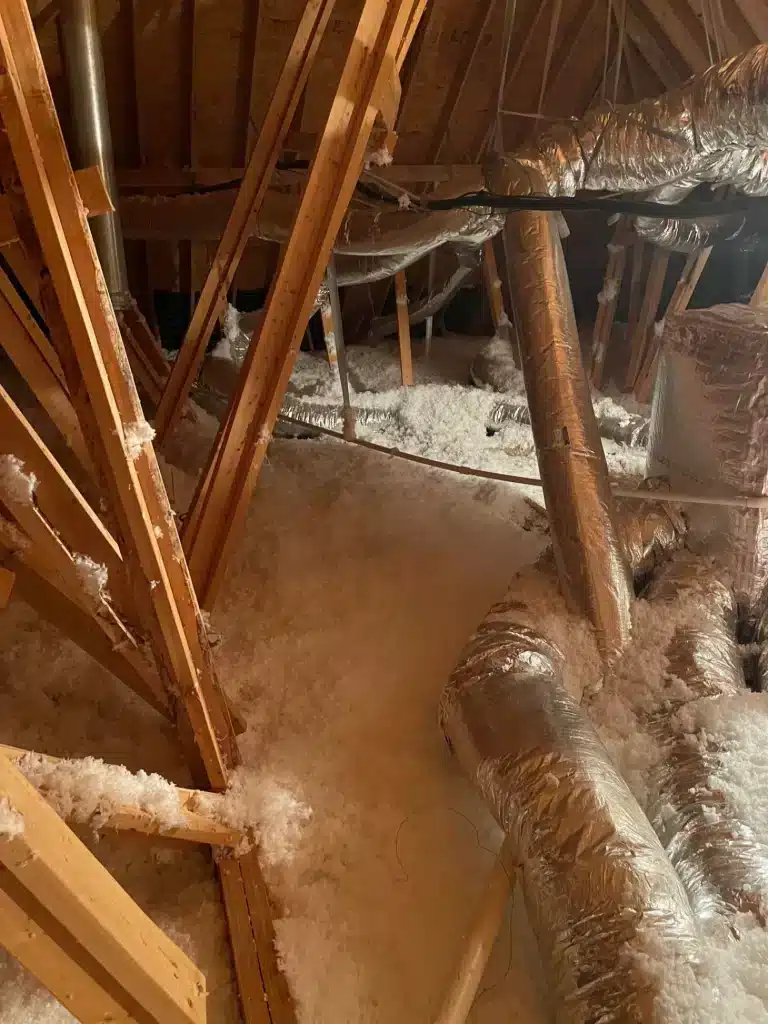
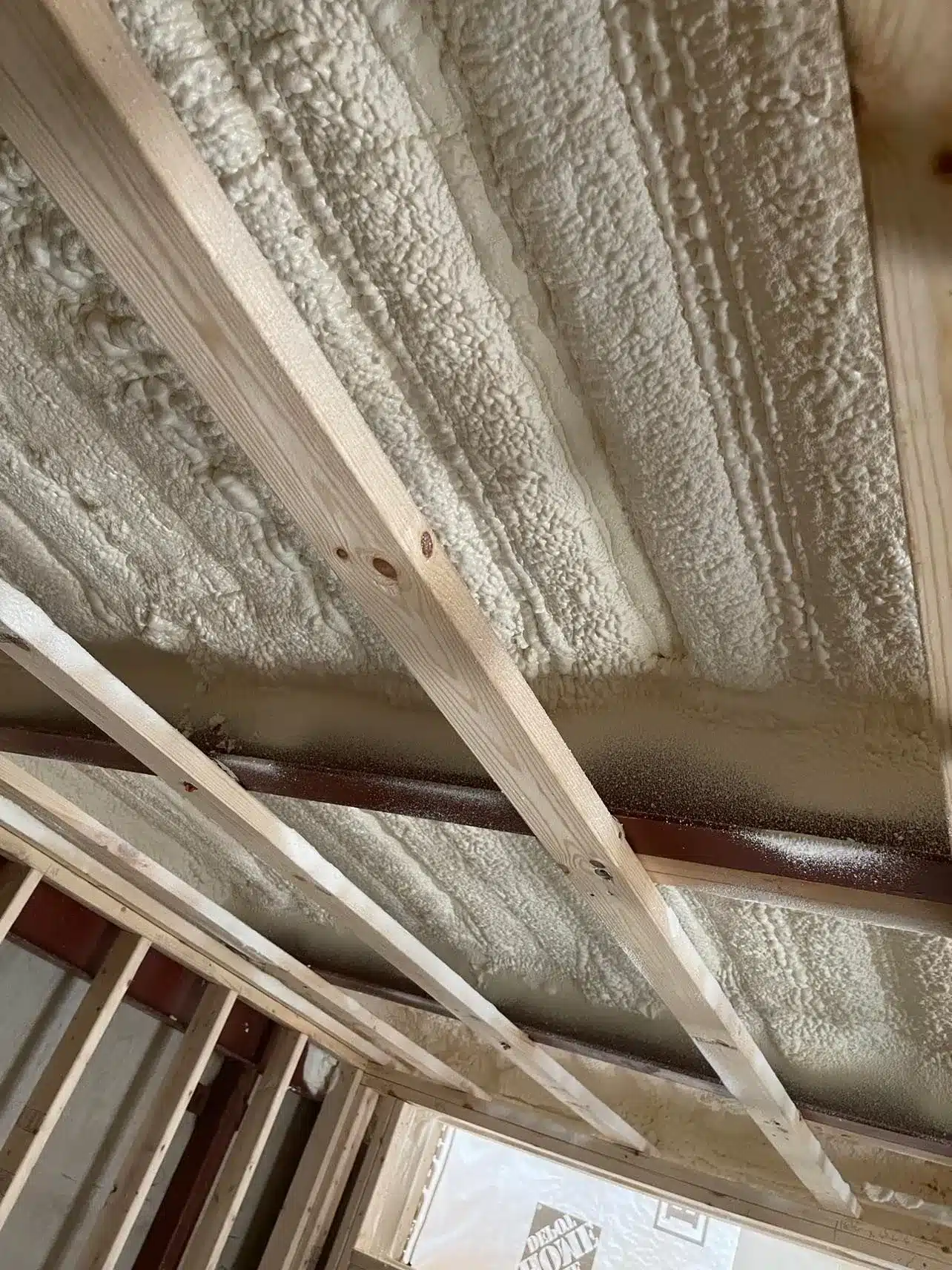
In rainy regions such as Georgia and the Carolinas, frequent storms increase this risk. Data from the Insurance Institute for Business & Home Safety shows that water damage accounts for 23% of homeowner insurance claims annually, with roof issues leading the pack. Early detection matters here, and visualizing common scenarios can aid in spotting problems before they worsen.
Bonus Tip
Check attic vents twice a year in wet climates. Clogged ones trap humidity, worsening any leak’s impact on foam.
Short-Term Effects on Insulation Performance
Once wet, spray foam’s R-value drops sharply. Dry closed-cell foam might offer R-6 per inch, but moisture cuts that efficiency, forcing heating systems to work harder. The material also sags or shrinks slightly as water weighs it down, creating gaps that let air infiltrate.
Mold spores thrive in damp conditions, starting within 24-48 hours. The Centers for Disease Control and Prevention notes that moist insulation promotes allergens, leading to respiratory issues for occupants. Energy costs rise too; a study by Oak Ridge National Laboratory found wet insulation boosts heating needs by 15-20% in moderate climates.
Long-Term Damage and Structural Risks
Over time, persistent moisture rots wooden rafters and sheathing near the insulation. Spray foam bonds to surfaces, but water weakens this adhesion, causing sections to peel away. In severe cases, the weight of saturated foam adds stress to the structure, potentially leading to sagging ceilings.
Pests like termites find wet areas attractive, accelerating wood decay. The National Association of Home Builders reports that untreated water damage shortens a home’s lifespan by 10-15 years on average. Replacing the foam early avoids these cascading problems and ties into practical maintenance steps.
Bonus Tip
Use a moisture meter in attics during routine inspections. Readings above 20% signal trouble, even before visible mold appears.
Detecting Moisture in Spray Foam Insulation
Signs include dark stains on the foam surface or a musty odor from the attic. Soft spots when pressed indicate water absorption. Infrared cameras reveal temperature differences, highlighting wet zones against dry ones.
Professional assessments involve cutting small test sections to check core moisture. In coastal areas with high humidity, combine this with air quality tests for hidden mold.
| Indicator | Dry Insulation | Moist Insulation |
|---|---|---|
| Appearance | Uniform, rigid foam | Darkened, soft patches |
| Odor | None | Musty or earthy |
| Touch Test | Firm, no give | Yields under pressure |
| Energy Use | Stable bills | Sudden spikes |
| Health Signs | No issues | Coughing, allergies |
This table outlines key differences to aid quick checks.
Repair and Remediation Steps
First, fix the roof leak to stop water entry. Then, ventilate the area with fans and dehumidifiers to dry the space. For lightly affected foam, drying might suffice, but tests from Building Science Corporation recommend removal if moisture exceeds 15% for over a week.
Removal uses specialized vacuums to extract wet material without spreading contaminants. Replacement follows with new foam or alternatives like fiberglass, matched to local building codes. In humid Southeast climates, opt for products with antimicrobial additives.
Bonus Tip
After drying, apply a sealant over repaired areas. This blocks future vapor intrusion from humid outdoor air.
Things to Consider Before Making a Decision
Assess the leak’s extent and insulation type. Open-cell foam demands full replacement more often than closed-cell. Budget for professional removal, which costs $1-3 per square foot based on HomeAdvisor data.
Weigh health impacts against repair timelines; mold spreads fast in warm weather. Check insurance coverage for water damage claims. Long-term, evaluate if switching insulation types suits the home’s energy needs and local weather patterns.
Consider energy audits to confirm performance post-repair. In variable climates, prioritize materials that handle occasional moisture without total failure.
Common Questions
Is It Cheaper to Prevent Insulation Issues Than to Repair Them?
Homeowners often ask about prevention costs versus repair expenses. Data from Energy.gov indicates that proactive roof maintenance saves 30% on future insulation fixes.
Can I Dry Out Wet Insulation Myself?
Another concern is DIY drying methods, which work for minor issues but risk incomplete removal of trapped water.
Does Water Damage Affect My Insulation Warranty?
Finally, questions arise on warranty impacts; most manufacturers void coverage after water exposure, pushing for certified pros.
Key Takeaways
Moisture from roof leaks harms spray foam by cutting efficiency and inviting mold. Act fast to fix the source, dry the area, and assess damage. Evaluate home specifics like climate and structure before repairs. Review insurance and local codes to align with needs and avoid long-term costs.
Next Steps for Your Home
Schedule a professional inspection soon if a leak occurred. Contact Makeover Insulation at [email protected] or call (404) 800-0300 for guidance on assessment. This step ensures accurate evaluation tailored to the property, helping maintain comfort and value without unnecessary expenses.
Sources
- Department of Energy – Government resource on insulation performance and moisture effects, including R-value loss data.
- Insurance Institute for Business & Home Safety – Reports on common home damage claims, providing statistics on water-related incidents.
- Oak Ridge National Laboratory – Research publications on energy efficiency impacts from wet insulation materials.
Your Questions Answered
Can spray foam dry out on its own after a leak?
No, it rarely dries fully without help. Trapped water lingers in the foam’s cells, reducing insulation power. Use dehumidifiers and fans for at least 72 hours, then test moisture levels to confirm.
Does all spray foam react the same to water?
Open-cell absorbs more and needs quicker action, while closed-cell resists better but still loses R-value. Check product specs for water resistance ratings before installation.
How soon should a leak get fixed to save the insulation?
Address it within days. The EPA states mold growth begins at 48 hours in damp conditions, and delays compound structural risks.
Is replacing the foam always necessary?
Not for small, dried areas, but large exposures often require it. Consult building codes; some regions mandate full removal in attics over living spaces.
What health risks come from moist insulation?
Allergens and mycotoxins from mold irritate lungs and eyes. Vulnerable groups like children or elderly face higher chances of asthma flares, per CDC guidelines.