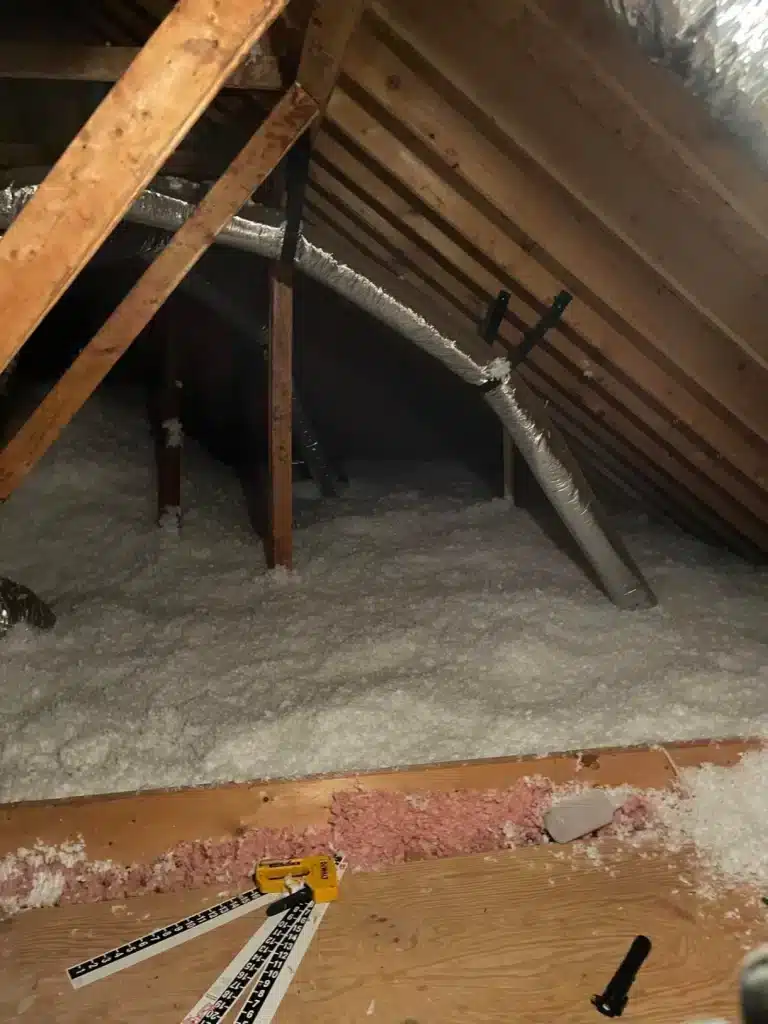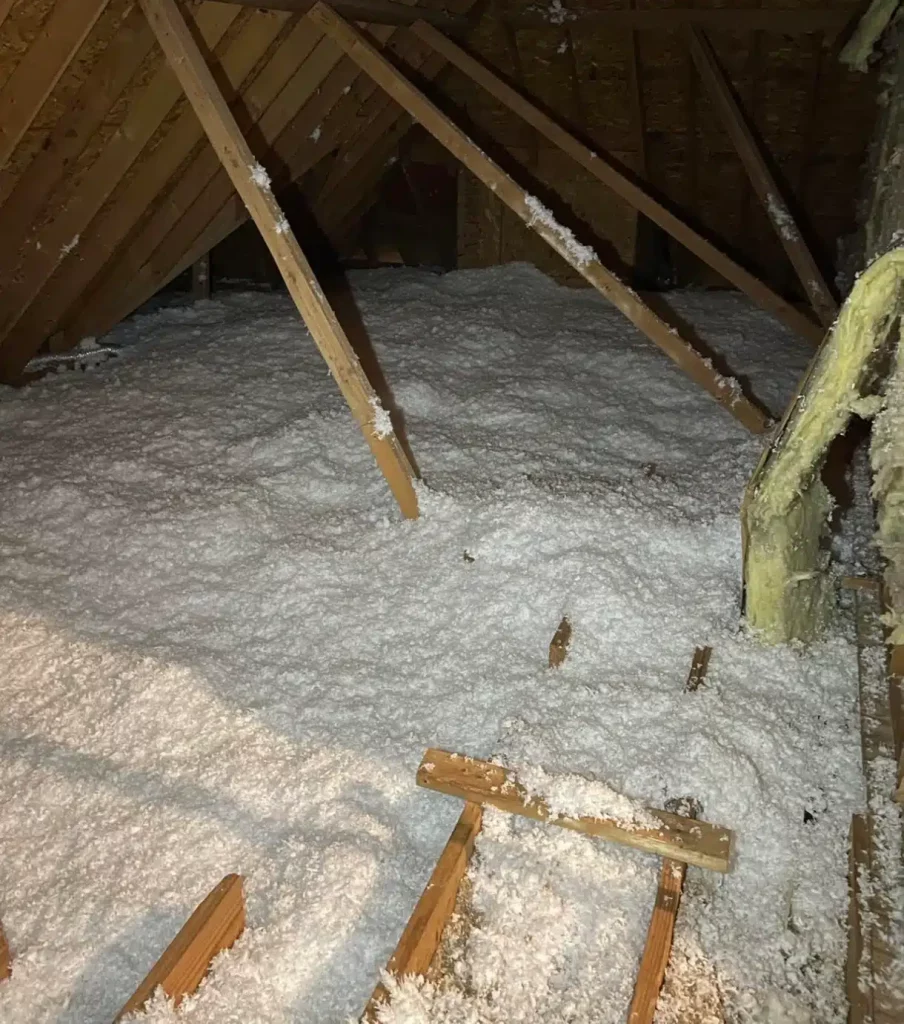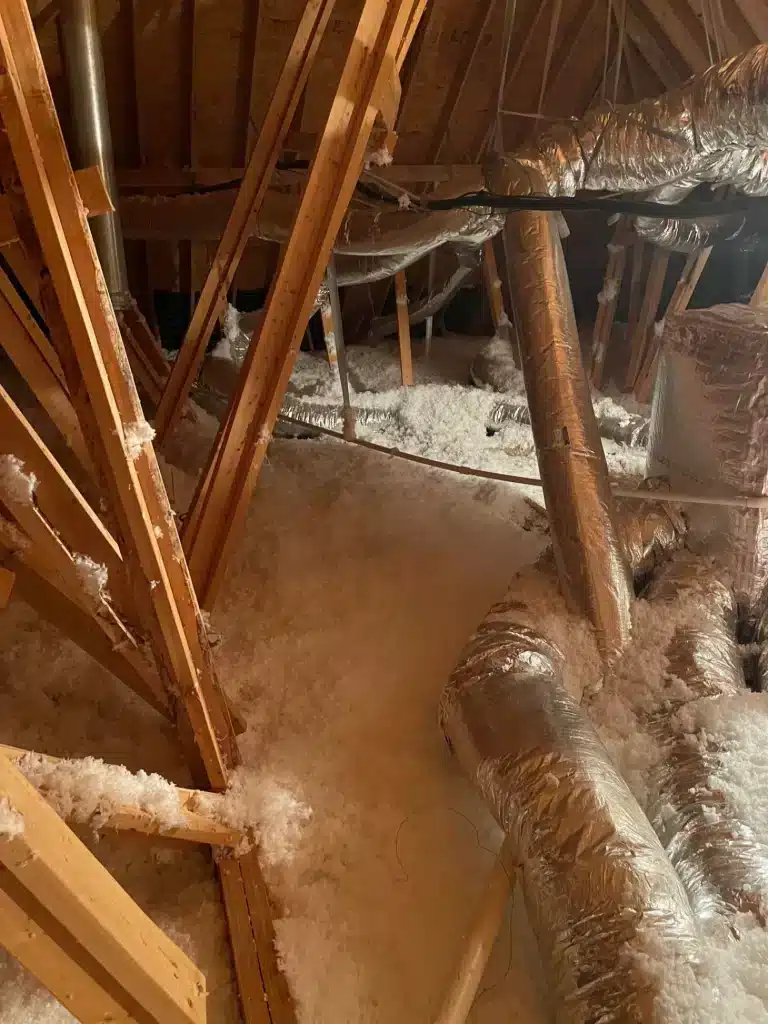

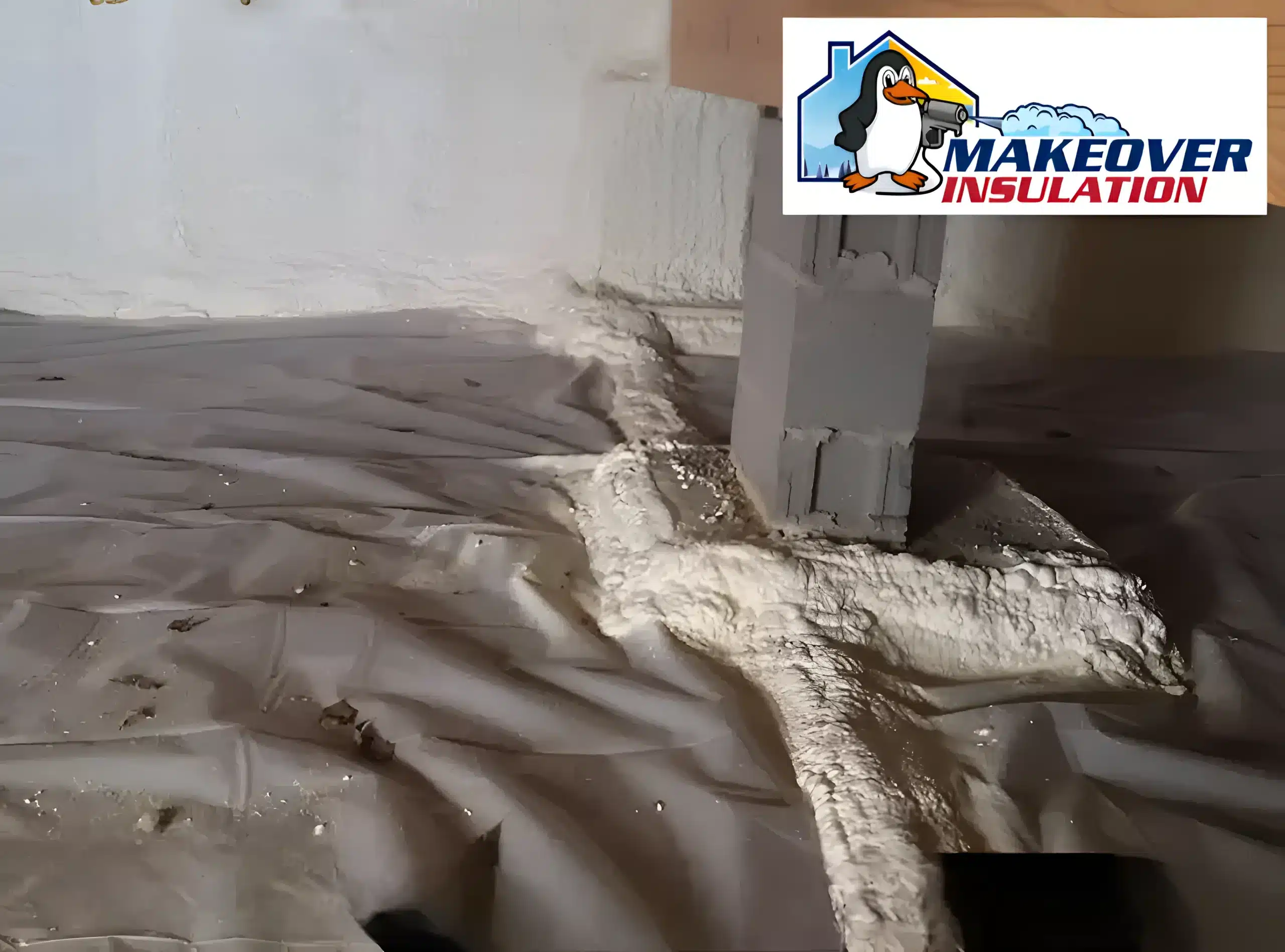
High energy bills, inconsistent indoor temperatures, moisture problems, pests, and excessive noise are five common indicators that a property’s insulation is underperforming. In Chamblee, Georgia, where hot, humid summers and cool winters demand a lot from heating and cooling systems, these issues often point directly to air leakage and inadequate thermal resistance in walls, attics, and crawl spaces. Spray foam insulation addresses these problems by creating a continuous, effective air and thermal barrier. This article details these five signs and explains how spray foam offers a comprehensive solution.
Drawing from extensive experience insulating homes and commercial buildings in the Atlanta metro area, this guide provides practical information to help property owners identify insulation deficiencies. The focus here is on empowering you with the knowledge to make an informed decision for your building.
1. Skyrocketing Energy Bills
Consistently high heating and cooling costs are the most obvious sign of poor insulation. When a building isn’t properly sealed, the HVAC system has to work constantly to maintain the desired temperature, fighting against air escaping through thousands of tiny gaps. In Georgia, this is particularly noticeable during the summer months when air conditioners run nearly nonstop. A report from the U.S. Energy Information Administration shows that air conditioning accounts for a significant portion of household energy consumption in the state. If your bills seem unusually high compared to similarly sized properties, your insulation is likely the weak link.
Spray foam insulation in Chamblee, Georgia expands to fill every crack and crevice, creating an airtight seal that conventional insulation types like fiberglass batts cannot match. This stops the conditioned air from leaking out and prevents unconditioned air from getting in, drastically reducing the workload on your HVAC system.
Bonus Tip: Before suspecting your insulation, do a quick check for obvious drafts around windows and exterior doors. While these are common culprits, major energy loss usually happens through the attic and walls, which are harder to detect without a professional assessment.
2. Inconsistent Temperatures and Drafts
Do some rooms in your house feel much warmer or cooler than others? Are there noticeable drafts when you walk past certain walls or sit near a window? These hot and cold spots are classic symptoms of insufficient insulation and air leakage. Heat naturally moves toward colder areas, so in the summer, outdoor heat infiltrates your home, and in the winter, your indoor heat escapes.
This happens because traditional insulation may have gaps, has settled over time, or lacks the R-value needed for Chamblee’s specific climate. Spray foam insulation provides a consistent thermal barrier, eliminating these temperature fluctuations and creating a more comfortable and stable indoor environment year-round.
3. Moisture, Mold, or Mildew Problems
The high humidity in Georgia creates a challenging environment for buildings. When warm, moist air from outside comes into contact with cooler surfaces inside a wall cavity or attic, condensation can form. Traditional insulation materials like fiberglass can absorb and trap this moisture, creating a perfect breeding ground for mold and mildew. According to the U.S. Environmental Protection Agency, controlling moisture is the key to controlling mold.
Closed-cell spray foam acts as a vapor barrier, preventing moisture-laden air from passing through it. This is especially valuable for crawl spaces and attics, where humidity control is essential for protecting the building’s structural integrity and maintaining healthy indoor air quality. By blocking moisture, it helps prevent the rot and decay that can damage building materials over time.
4. Unwanted Pests and Allergens
Insects and rodents can enter a building through the smallest of openings. Gaps around plumbing penetrations, cracks in the foundation, and unsealed attic spaces are all common entry points. Once inside, they can nest in traditional insulation, causing damage and creating unsanitary conditions.
Because spray foam creates a solid, seamless barrier, it effectively seals off these entry points. It hardens into a dense material that pests cannot easily chew through or nest in. At the same time, this airtight seal helps improve indoor air quality by blocking airborne allergens like pollen, dust, and pollutants from entering the home.
5. Excessive Outside Noise
If you can easily hear traffic, neighbors, or other outside noises, your property may lack sufficient sound-dampening insulation. Sound waves travel through the same gaps and cracks that allow air to leak. Materials like drywall alone do little to block this transmission.
Open-cell spray foam is particularly effective at sound attenuation. Its soft, flexible cell structure is excellent at absorbing sound waves, which can significantly reduce noise from the outside. This makes it a great choice for homes near busy roads or for insulating interior walls around home offices, theaters, or laundry rooms to create a quieter indoor space. To better understand how spray foam compares to other common materials, the following table provides a helpful summary.
Insulation Performance Comparison
The right insulation depends on the specific needs of the property. This table compares the key characteristics of common insulation types used in the Chamblee area.
| Feature | Open-Cell Spray Foam | Closed-Cell Spray Foam | Traditional Fiberglass |
|---|---|---|---|
| R-Value (per inch) | ~R-3.5 | ~R-6.5 to R-7.0 | ~R-3.1 to R-3.8 |
| Air Seal | Excellent | Excellent | Poor (allows air passage) |
| Vapor Barrier | No (vapor permeable) | Yes (at sufficient thickness) | No (can trap moisture) |
| Sound Dampening | Excellent | Good | Fair |
| Structural Rigidity | No | Yes (adds strength) | No |
Common Questions About the Installation Process
How is spray foam installed in an existing home?
In retrofit applications, installers typically access attics, crawl spaces, and sometimes wall cavities. For walls, it may involve drilling small holes in the drywall, injecting the foam, and then patching the holes.
Is there an odor during or after installation?
There is a distinct odor during the application process, and the area must be vacated and ventilated. Professionals use safety gear and containment measures. The odor typically dissipates completely within 24 to 48 hours, leaving the building air safe and clear.
Things to Consider Before Making a Decision
Choosing the right insulation is a significant decision. Before moving forward, think about these factors:
- Project Area: Are you insulating a new construction project or retrofitting an existing home? Spray foam is well-suited for both, but the application process differs. It is commonly applied in attics, crawl spaces, and rim joists of existing homes.
- Type of Foam: Closed-cell foam offers a higher R-value per inch and acts as a vapor barrier, making it ideal for crawl spaces and areas where moisture is a concern. Open-cell foam is less dense, provides superior sound dampening, and is often used in walls and roof decks.
- Ventilation Needs: Creating an airtight building envelope is great for energy efficiency, but a home needs proper ventilation to manage indoor air quality. A professional installer will assess your home’s ventilation systems to ensure they are adequate after the insulation is applied.
Long-Term Value: While spray foam has a higher upfront cost than some other insulation types, it provides long-term returns. The U.S. Department of Energy notes that air sealing and proper insulation can lead to significant energy savings, helping the investment pay for itself over time.
Get a Professional Assessment
Understanding the unique conditions of your property is key to finding the right insulation solution Chamblee, GA. For a detailed evaluation or to discuss your project, contact the team at Makeover Insulation LLC. A professional can help you identify problem areas and determine the best approach. Reach out us by phone at (404) 800-0300 or send an email to [email protected] to schedule a consultation.
Sources
- U.S. Energy Information Administration – This report provides state-specific data on residential energy consumption, highlighting the impact of air conditioning in Georgia.
- U.S. Environmental Protection Agency – A guide from the EPA explaining the relationship between moisture control and mold prevention in buildings.
- U.S. Department of Energy – This resource details the benefits of air sealing and insulation for improving home energy efficiency and achieving cost savings.
Technical & Performance Questions Answered
How does spray foam improve a home’s structural integrity?
Closed-cell spray foam, in particular, is very dense and rigid once cured. When it adheres to the framing and sheathing of a building, it adds a layer of strength that can help increase the structure’s resistance to racking forces from high winds.
What is the R-value of spray foam insulation?
The R-value, or thermal resistance, varies by type. Open-cell foam typically provides about R-3.5 per inch, while closed-cell foam offers a much higher R-6.5 to R-7.0 per inch. The high R-value of closed-cell foam makes it an excellent choice for areas where space is limited but high performance is needed.
Can spray foam be applied directly to the underside of a roof deck?
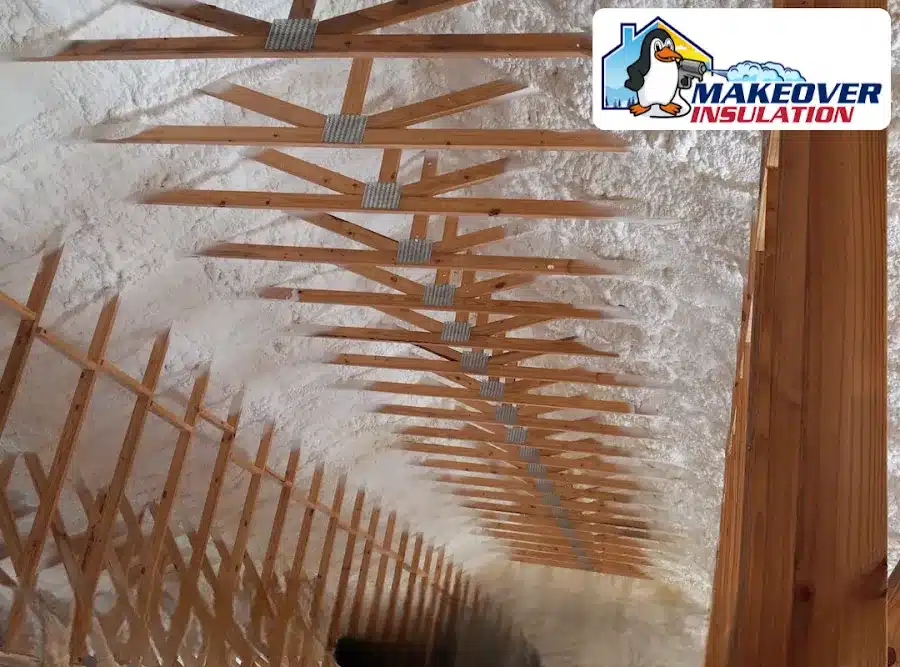
Yes, this is a very common application. Applying spray foam directly to the roof deck creates what is known as an unvented or “conditioned” attic. This method brings the attic inside the building’s thermal envelope, protecting any ductwork or HVAC equipment located there from extreme temperatures.
Is spray foam environmentally friendly?
Modern spray foams have evolved significantly. Many formulas are now water-blown and have a low Global Warming Potential (GWP). The greatest environmental benefit comes from the massive reduction in energy consumption over the life of the building, which lowers its overall carbon footprint.
Is Spray Foam the Right Choice for Your Property?
If your Chamblee property exhibits any of the signs discussed, it’s a strong indication that your current insulation is failing. Spray foam insulation offers a durable and effective solution by addressing the root cause: air leakage. By creating a superior air and thermal seal, it lowers energy costs, increases comfort, and protects the building’s long-term value. Evaluating your property’s specific needs is the first step toward a more efficient and comfortable space.