
Proper insulation is a primary factor in determining a home’s long-term value in Grayson, Georgia. It directly impacts property appeal by drastically reducing energy consumption, improving year-round comfort, and preventing structural issues caused by moisture. For homeowners, this translates into lower monthly bills and a higher resale price. For potential buyers, an efficiently insulated home is a sign of a well-maintained property that promises lower ownership costs and greater comfort, making it a more attractive investment.
This article provides a detailed breakdown of how upgrading your home’s insulation affects its market value in the specific climate of Grayson. The information is based on extensive field experience in local properties, observing firsthand the financial and structural benefits that modern insulation guides provide. From energy savings to structural preservation, every aspect connects directly to the home’s overall worth.
The Direct Financial Impact of Modern Insulation
The most immediate and quantifiable benefit of proper insulation is its effect on your finances, both in monthly savings and at the time of sale.
Slashing Monthly Energy Costs
Grayson’s hot and humid summers put a heavy load on air conditioning systems. In a poorly insulated attic, temperatures can soar, forcing your HVAC unit to run constantly just to maintain a comfortable indoor climate. This continuous operation leads to high electricity bills. By creating an effective thermal barrier, quality insulation in Grayson, GA keeps the summer heat out and the conditioned air in, significantly reducing the workload on your HVAC system. This reduction in runtime not only lowers your energy bills but also extends the operational life of your expensive equipment.
Increasing Resale Value
Energy efficiency is no longer a bonus feature for homebuyers; it’s a core expectation. Homes that can prove their energy efficiency are more appealing on the market. In fact, research from Freddie Mac shows that homes with a high energy efficiency rating sold for an average of 2.7% more than homes without one. For a property in Grayson, this percentage can represent a substantial increase in the final sale price, making insulation a smart financial upgrade.
Bonus Tip: Before upgrading your insulation, consider getting a professional energy audit. A follow-up audit after the installation provides documented proof of the improvement in energy efficiency, a powerful tool to present to potential buyers.
Beyond the Price Tag: Structural and Health Benefits
While financial gains are compelling, the benefits of modern insulation services in Grayson, GA also extend to the health of the home and its occupants. These less-visible advantages prevent costly future repairs and contribute to a better living environment.
Protecting Your Home From Moisture Damage
Humidity is a constant concern in Georgia. When warm, moist air infiltrates a home and comes into contact with cooler surfaces, condensation can occur. Inside walls and attics, this moisture can lead to mold, mildew, and wood rot, causing serious structural damage over time. Closed-cell spray foam insulation is a popular choice in this climate because it acts as a vapor barrier. It stops moisture from passing through, protecting your home’s framing and sheathing from the long-term effects of condensation.
Improving Indoor Air Quality
A significant portion of the air you breathe inside your home comes from the attic and crawl space. Old, degraded insulation does little to stop the infiltration of outdoor allergens like pollen and dust. Modern insulation, particularly spray foam, creates a continuous air seal. This seal blocks gaps and cracks, preventing unfiltered air and pollutants from entering your living spaces. The result is cleaner indoor air, which can be a major benefit for anyone with allergies or respiratory sensitivities.
Choosing the Right Insulation for the Georgia Climate
Not all insulation performs the same, especially in the mixed-humid climate of Gwinnett County. Understanding the right material and installation standard is key. According to ENERGY STAR, Grayson is in Climate Zone 3, which recommends an attic insulation level between R30 and R60.
The material you choose has a big impact on performance. Here’s a look at how common options stack up.
| Feature | Fiberglass Batts | Blown-In Cellulose | Open-Cell Spray Foam | Closed-Cell Spray Foam |
|---|---|---|---|---|
| R-Value per Inch | ~R-3.1 to R-3.4 | ~R-3.2 to R-3.8 | ~R-3.8 | ~R-6.0 to R-7.0 |
| Air Sealing | Poor | Fair | Excellent | Excellent |
| Moisture Resistance | Poor (can trap moisture) | Poor (can absorb moisture) | Good (allows drying) | Excellent (acts as a barrier) |
| Typical Lifespan | 10-25 years | 15-30 years | Lifetime of structure | Lifetime of structure |
Bonus Tip: For attics in Grayson, focusing on air sealing is just as important as achieving a high R-value. This is why spray foam is often so effective; it addresses both thermal resistance and air leakage in a single application.
Things to Consider Before Making a Decision
Before you invest in an insulation upgrade, it’s best to evaluate a few key factors to ensure you make the right choice for your property.
Assess Your Current Insulation
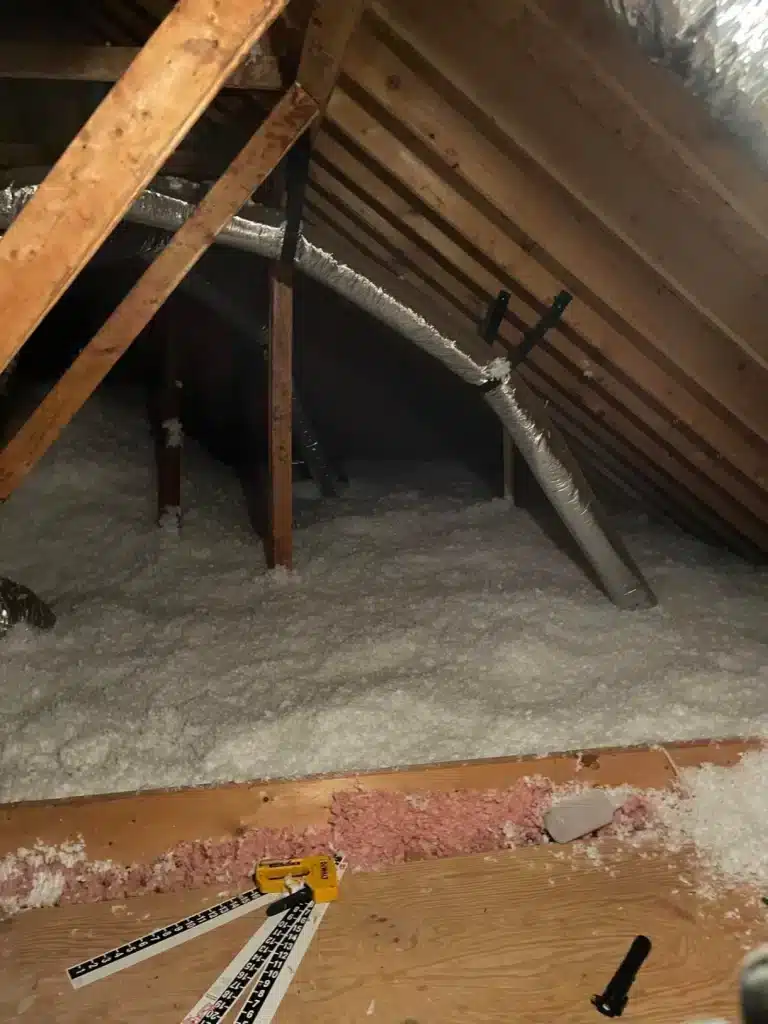
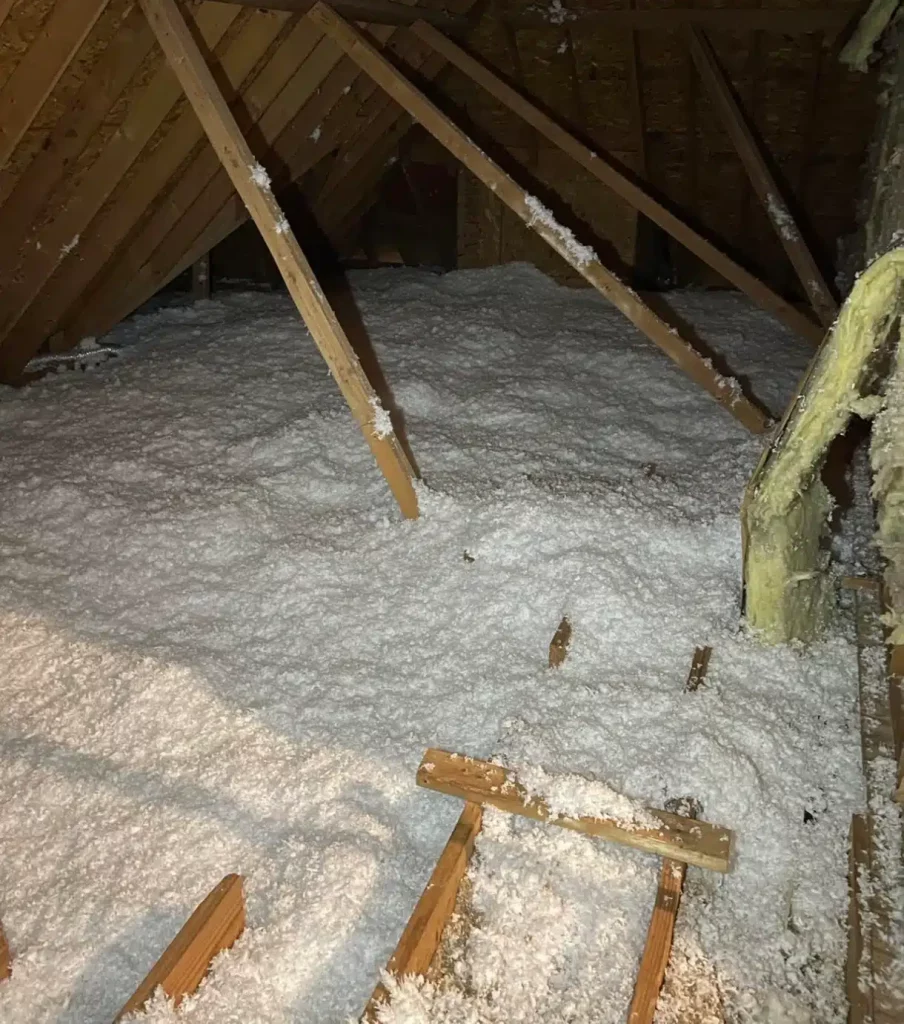
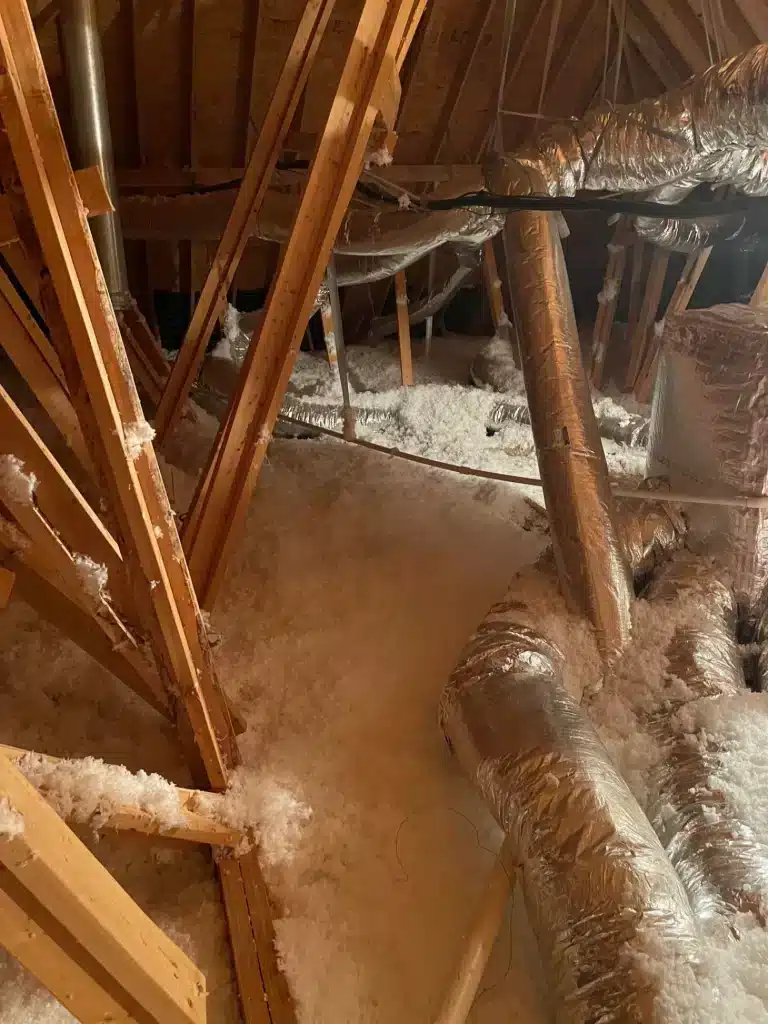
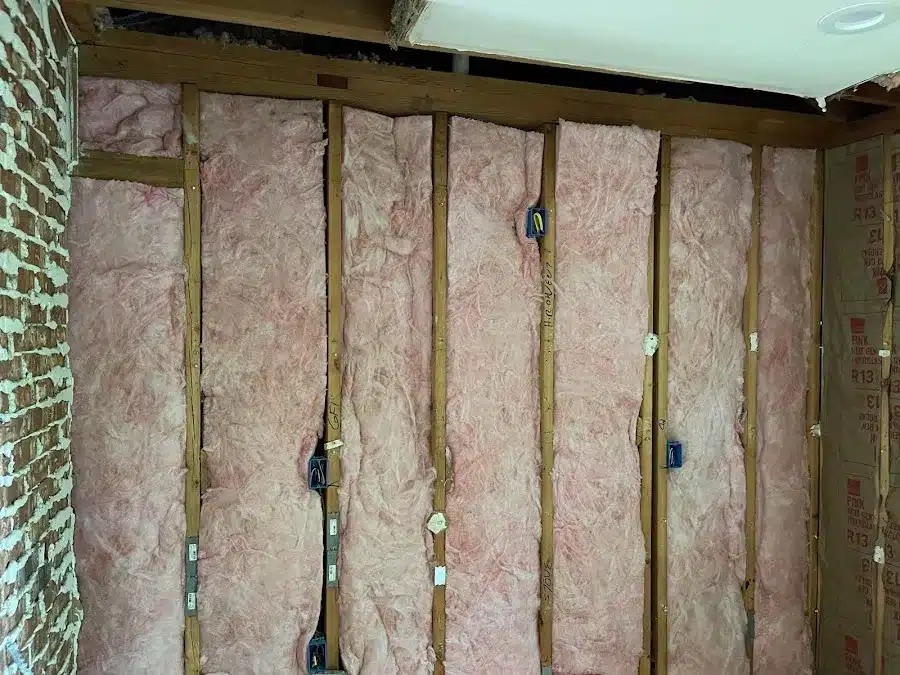
Take a look in your attic. Is the spray foam insulation application below the height of the joists? Does it look compressed, water-stained, or have visible gaps? These are all signs that your current insulation is underperforming and likely costing you money. If you have recessed lighting, check that the insulation isn’t packed tightly around the fixtures, as this can be a fire hazard with older cans not rated for insulation contact.
Understand Your Home’s Specific Needs
The ideal insulation solution depends on your home’s construction. Factors like the type of roof ventilation (soffit, ridge, or gable vents), the presence of HVAC equipment in the attic, and the condition of the crawl space all influence the best approach. A one-size-fits-all solution rarely delivers the best results.
Calculate the Long-Term Return on Investment
Upgrading insulation is an investment that pays back over time. The Remodeling 2024 Cost vs. Value Report shows that an attic insulation project can recoup over 100% of its cost at resale on a national average. When you add the monthly energy savings to this high resale value, the financial case becomes very strong.
Common Questions About Insulation and Property Value
To address some common inquiries, here are answers to the top questions we receive.
Will appraisers recognize the value of new insulation?
Yes, especially when you provide documentation. An energy audit report or a detailed invoice from the installer that specifies the R-value and materials used can be given to an appraiser to properly assess the home’s value.
How long does spray foam insulation last?
Unlike traditional materials that can sag or settle, spray foam is rigid and maintains its properties for the life of the building.
Is there a best time of year to install insulation in Grayson?
It can be done anytime. However, having the work completed in the spring or fall allows you to experience the immediate benefits of reduced energy use as soon as the summer heat or winter cold arrives.
Final Thoughts on Securing Your Investment
Investing in proper insulation is one of the most effective ways to increase your home’s comfort, efficiency, and long-term market value in Grayson. It delivers a strong return through lower energy costs and a higher selling price, all while protecting the building itself from moisture and improving the indoor environment. Before moving forward, take the time to evaluate your home’s specific needs and consider your long-term goals for the property.
Get a Professional Assessment
For homeowners in Grayson looking to understand their property’s specific insulation needs, a professional evaluation is the best next step. Contact Makeover Insulation LLC to discuss your project. You can reach us by phone at (404) 800-0300 or by email at [email protected] for a detailed consultation on how to best protect and improve your home’s long-term value.
Sources
- Freddie Mac – This research insight report details the price premium for energy-efficient homes.
- ENERGY STAR – This is a government-backed resource providing recommended home insulation R-values by climate zone.
- Remodeling 2024 Cost vs. Value Report – This annual report from Remodeling Magazine compares the costs of popular remodeling projects with the value they retain at resale.
Frequently Asked Questions
How does insulation affect HVAC system longevity?
By reducing the home’s heating and cooling load, proper insulation means your HVAC system doesn’t have to run as long or as often. This decreased workload reduces wear and tear on motors, compressors, and other components, helping the system last longer with fewer repairs.
Can new insulation be installed over old insulation?
Sometimes, but it’s not always the best idea. If the existing insulation is moldy, wet, or heavily compacted, it should be removed first. Adding new material over damaged old material can trap moisture and contaminants. However, if the old insulation is just a bit thin but otherwise in good condition, adding a new layer on top can be an effective strategy.
What are the signs of poor insulation in a home?
Common signs include high energy bills, rooms that are difficult to keep cool in summer or warm in winter, drafts around windows and outlets, and uneven temperatures between different floors of the house.
Are there any local Grayson or Gwinnett County codes to be aware of?
Yes, all building codes, including those for insulation, are adopted at the state and local levels. It’s important that any insulation work meets the minimum R-value requirements and fire safety standards specified in the Georgia State Minimum Standard Codes.