
Proper insulation solutions directly defend a home’s budget against rising utility rates by creating a robust thermal barrier. This barrier significantly reduces the amount of energy needed to heat and cool the living space. When a house is well-insulated, the heating, ventilation, and air conditioning (HVAC) system runs less frequently to maintain a comfortable temperature. This reduction in runtime translates directly to lower energy consumption and, consequently, smaller monthly bills. As electricity and natural gas prices continue to climb, minimizing this energy waste becomes one of the most effective long-term strategies for controlling household expenses.
This article breaks down how insulation works, its financial impact, and what to consider before making an upgrade. The information solution comes from years of hands-on experience in residential and commercial buildings, helping property owners achieve greater energy efficiency. Understanding these principles is the first step toward making a smart, cost-effective investment in your property.
The Mechanics of Insulation and Energy Use
A home loses and gains heat in three primary ways: conduction, convection, and radiation. Insulation is specifically designed to counteract this natural heat flow.
- Conduction: Heat transfer through solid materials. Heat moves from the warmer side of your wall to the cooler side. Insulation materials have a structure that slows this process down.
- Convection: Heat transfer through the movement of air or liquids. Warm air rises and escapes through gaps in the attic, while cool air sinks and enters through cracks in the foundation. Air sealing combined with insulation stops these convective loops.
- Radiation: Heat transfer through electromagnetic waves. The sun’s radiant heat warms your roof and walls. Radiant barriers, often used in attics in warmer climates, reflect this heat away from the home.
The effectiveness of an insulation material is measured by its R-value, which indicates its resistance to heat flow. A higher R-value means better insulating performance. By resisting heat flow, insulation keeps your HVAC system from working overtime to compensate for energy loss. According to the U.S. Department of Energy, properly insulating and air sealing a home is one of the most direct ways to cut heating and cooling costs.
Financial Impact of a Well-Insulated Home
Upgrading insulation provides quantifiable savings that compound over time. The initial investment pays for itself through reduced energy bills, offering a strong return. A report from ENERGY STAR states that a homeowner can save an average of 15% on heating and cooling costs by adding insulation and sealing air leaks. In regions with extreme temperatures, these savings can be even more substantial.
Rising energy costs make these savings even more valuable. Data from the U.S. Energy Information Administration (EIA) shows a consistent upward trend in residential electricity prices. A home that uses less energy is less exposed to these price hikes.
Insulation Material Performance Comparison
Different insulation materials offer varying levels of thermal resistance and have different applications. The right choice depends on the climate, budget, and area of the home being insulated.
| Insulation Type | Typical R-Value (per inch) | Common Application | Key Benefit |
|---|---|---|---|
| Spray Foam (Closed-Cell) | R-6.0 to R-7.0 | Walls, roofs, attics | Air and moisture barrier |
| Spray Foam (Open-Cell) | R-3.5 to R-3.8 | Walls, attics | Excellent air sealing, sound dampening |
| Fiberglass (Batts & Blown-In) | R-2.2 to R-4.3 | Attics, walls, floors | Cost-effective, widely available |
| Cellulose (Blown-In) | R-3.2 to R-3.8 | Attics, wall cavities | Made from recycled materials |
Bonus Tip: Before starting an insulation project, check with your local utility provider. Many offer rebates or financial incentives for energy-efficiency upgrades, which can lower the upfront cost of the project.
Things to Consider Before Upgrading Insulation
Making an informed decision requires a clear understanding of your home’s current state and your specific goals.
Assess Your Current Insulation
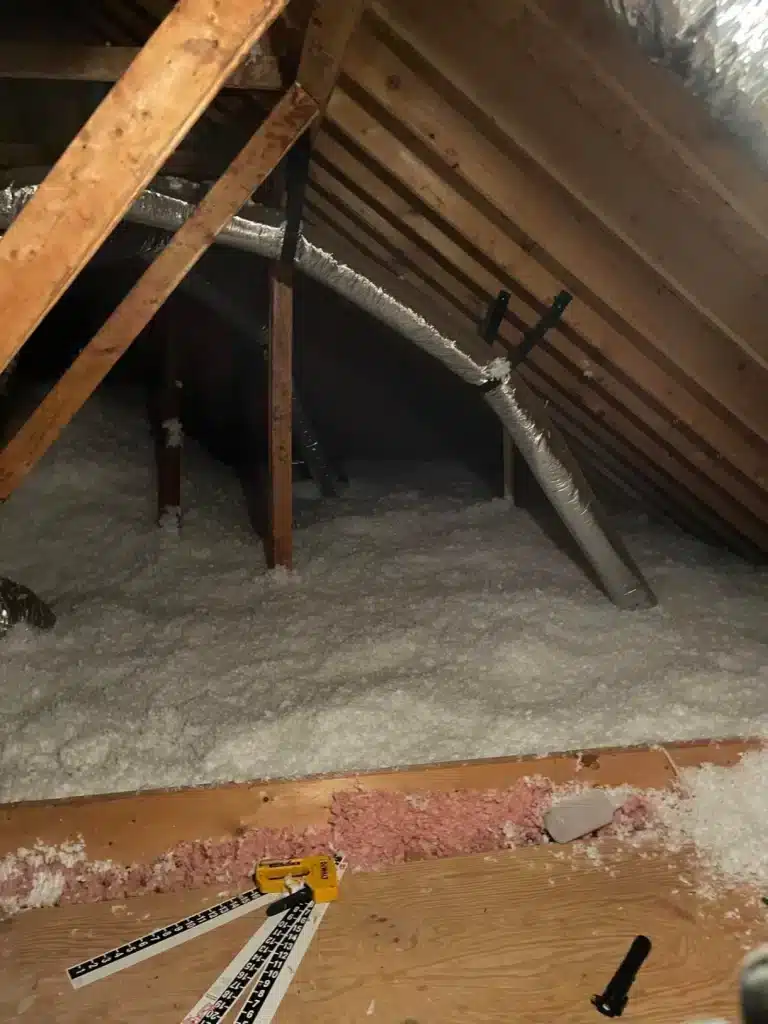
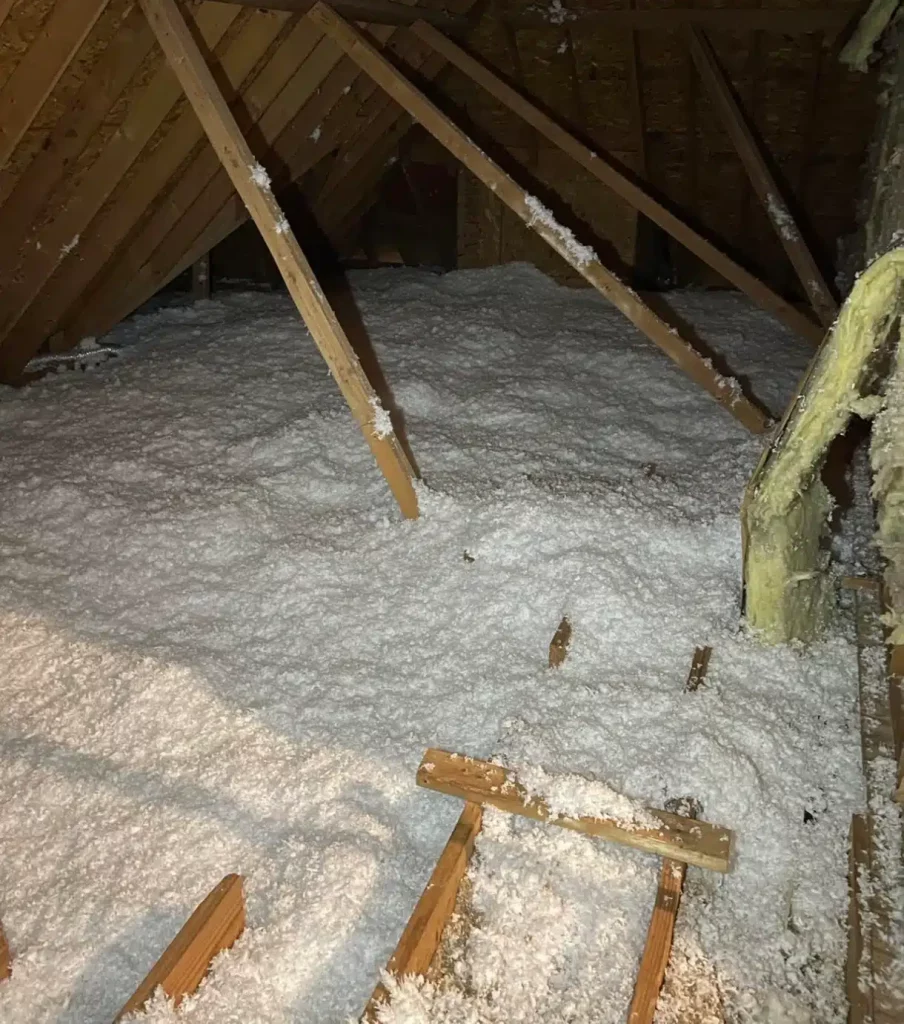
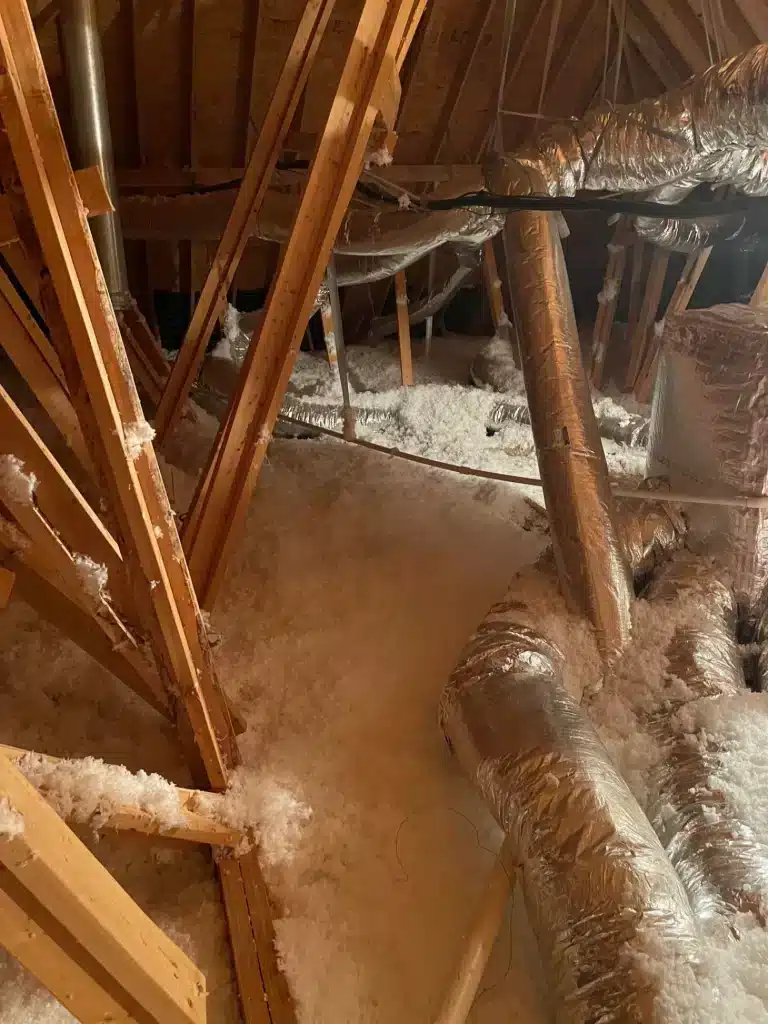
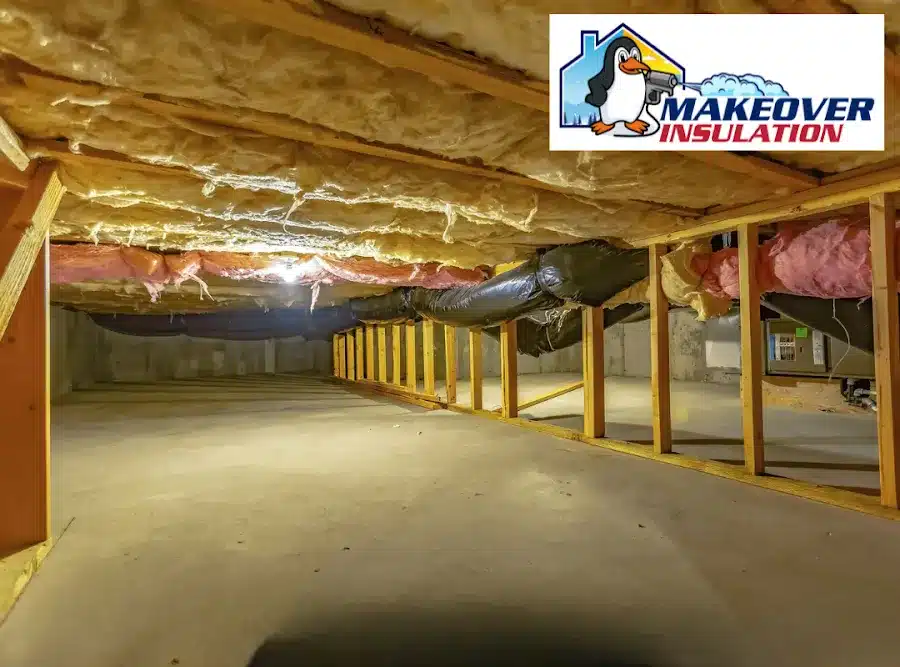
Start by inspecting key areas like the attic, crawl space, and basement rim joists. Look for insulation that is compressed, wet, or has fallen out of place. In an attic, if you can easily see the tops of your floor joists, you likely need more insulation.
Identify and Seal Air Leaks
Insulation works best when paired with comprehensive air sealing. Heat can bypass insulation through gaps around windows, doors, light fixtures, and plumbing penetrations. Sealing these leaks with caulk, weatherstripping, or spray foam application is a necessary first step. Without it, you won’t get the full benefit of new insulation.
Understand Your Climate Zone
Insulation needs are not one-size-fits-all. They vary significantly based on regional climate. For example, homes in colder northern climates require much higher R-values than homes in the South. For Georgia’s mixed-humid climate, controlling moisture and preventing summer heat gain in the attic are just as important as retaining heat in the winter.
Choose the Right Material for the Job
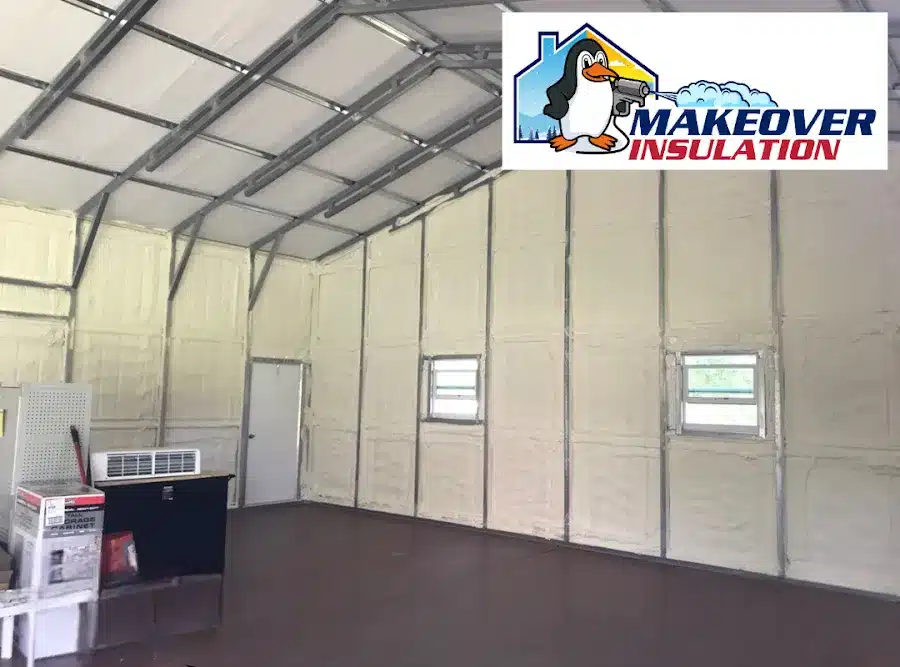
Spray foam is excellent for creating a complete air and thermal seal in attics and wall cavities. Blown-in fiberglass or cellulose can be a good choice for adding depth to existing attic insulation. Batt insulation works well for standard wall studs and floor joists. The best material often depends on the specific application.
Bonus Tip: A professional energy audit is the most accurate way to understand where your home is losing energy. An auditor uses tools like a blower door test and infrared cameras to pinpoint exact areas of air leakage and insufficient insulation.
A Long-Term Strategy for Stable Home Energy Costs
Investing in proper insulation is a practical and powerful way to gain control over your home’s energy consumption. It acts as a permanent buffer, reducing your dependence on the grid and shielding your finances from increasingly volatile utility rates. By slowing heat transfer, insulation ensures the energy you pay for stays inside your home longer, leading to sustained savings and improved comfort year-round. To ensure you make the best decision for your long-term goals, it’s essential to start with a clear picture of your home’s unique needs.
To learn how we’re helping more homeowners improve energy efficiency and cut rising utility costs, read more about Makeover Insulation’s spray foam service expansion.
Get a Clear Picture of Your Home’s Needs
A thorough assessment is the foundation of an effective energy efficiency plan, allowing for targeted solutions that deliver real results. For a professional evaluation of your property’s insulation and air sealing needs, contact Makeover Insulation LLC. You can schedule a consultation by calling (404) 800-0300 or sending an email to [email protected]. An expert evaluation can provide a clear roadmap to lowering your energy bills and improving your home’s comfort.
Sources
- U.S. Department of Energy – Official government resource providing detailed information on insulation types, R-values, and best practices for home energy efficiency.
- ENERGY STAR – A U.S. Environmental Protection Agency program that provides credible, objective information on energy savings, including statistics related to sealing and insulating homes.
- U.S. Energy Information Administration (EIA) – The primary source for U.S. energy statistics, offering historical data on residential electricity prices used to show market trends.
Frequently Asked Questions About Insulation
What is the typical ROI for an insulation upgrade?
The return on investment for insulation projects is consistently high. While exact figures vary by region and the scope of the project, many homeowners recoup the cost through energy savings within 5 to 7 years. Because insulation is a long-lasting improvement, the savings continue for decades.
Does attic insulation help in the summer as much as the winter?
Yes, absolutely. In the winter, attic insulation prevents the warm air inside your home from escaping. In the summer, it does the opposite; it stops the intense heat from the sun-baked roof from radiating down into your living spaces. This reduces the workload on your air conditioner, a major source of high summer utility bills.
How do I know if my existing insulation is still effective?
Look for visual cues. If the insulation is below the top of the joists in your attic, you probably need more. If it appears wet, moldy, or compacted, its R-value is likely compromised and it may need to be replaced. For walls, an infrared camera during an energy audit is the best way to see what’s happening behind the drywall.
How long does insulation last?
The lifespan of insulation depends on the material and environmental conditions. Fiberglass, cellulose, and spray foam do not degrade on their own and can last for the life of the house. However, their performance can be compromised by moisture, pests, or physical disturbance.
Can a home have too much insulation?
While it’s rare, it is possible. The more pressing concern is improper installation, which can lead to moisture issues. For example, blocking attic ventilation can trap warm, moist air, potentially leading to mold or roof damage. The goal is to install the recommended amount for your climate zone while ensuring proper air circulation where needed.
Will new insulation completely eliminate my heating and cooling bills?
No, insulation will not eliminate your energy bills, but it can drastically reduce them. The goal is to make your home as energy-efficient as possible, minimizing the amount of heating and cooling required. You will still need to run your HVAC system, but it will operate far less often and more efficiently.