
Modern insulation, particularly spray polyurethane foam, outperforms traditional materials like fiberglass and cellulose primarily due to its ability to create a near-perfect air seal. While traditional options offer thermal resistance (R-value), they don’t stop air leakage, which can account for a significant portion of a home’s energy loss. Modern materials expand to fill every crack and gap, effectively creating an air and moisture barrier that older technologies simply cannot match. This results in superior energy efficiency, improved indoor air quality, and greater structural integrity.
This article breaks down the key performance differences between these materials, offering a clear comparison based on years of field experience. Understanding these distinctions is the first step toward making an informed decision for any property. Makeover Insulation LLC provides this guide to help property owners see beyond the initial price tag and evaluate the long-term value of their insulation choice.
Key Performance Metrics for Insulation
Choosing the right insulation solutions involve more than just picking the material with the highest R-value. True performance is a combination of thermal resistance, air sealing, and moisture management.
Thermal Resistance (R-Value)
R-value measures a material’s ability to resist heat flow. A higher R-value means better insulating power. While important, it’s only one part of the equation. A high R-value is less effective if air can move freely through or around the insulation.
Air Sealing
Air leakage is a major source of energy waste. A study from the U.S. Department of Energy suggests that air sealing can save homeowners between 10-20% on their heating and cooling costs. Traditional materials like fiberglass batts and blown-in cellulose sit within wall cavities but don’t adhere to the surrounding studs or sheathing, leaving small gaps where air can pass. Spray foam, on the other hand, expands and adheres directly to surfaces, creating a continuous, monolithic air barrier.
Moisture Control
Moisture infiltration can lead to mold, mildew, and rot, compromising both the health of the building and its occupants. Some insulation materials can trap moisture, reducing their effectiveness and causing damage. Closed-cell spray foam, in particular, acts as a vapor barrier, blocking moisture from passing through the building assembly. This is especially valuable in humid climates or moisture-prone areas like crawl spaces and basements.
A Head-to-Head Look at Insulation Materials
The best way to see the differences is to compare the materials directly based on their key attributes.
| Feature | Fiberglass Batts | Blown-In Cellulose | Open-Cell Spray Foam | Closed-Cell Spray Foam |
|---|---|---|---|---|
| Typical R-Value | R-3.1 to R-3.8 per inch | R-3.2 to R-3.8 per inch | R-3.5 to R-3.8 per inch | R-6.0 to R-7.0 per inch |
| Air Seal | Poor | Poor | Excellent | Excellent |
| Moisture Resistance | Poor (can trap moisture) | Fair (can absorb moisture) | Good (allows vapor to pass) | Excellent (acts as a barrier) |
| Typical Lifespan | 10-25 years (can settle) | 15-30 years (can settle) | 80+ years | 80+ years |
Traditional Choices: Fiberglass and Cellulose
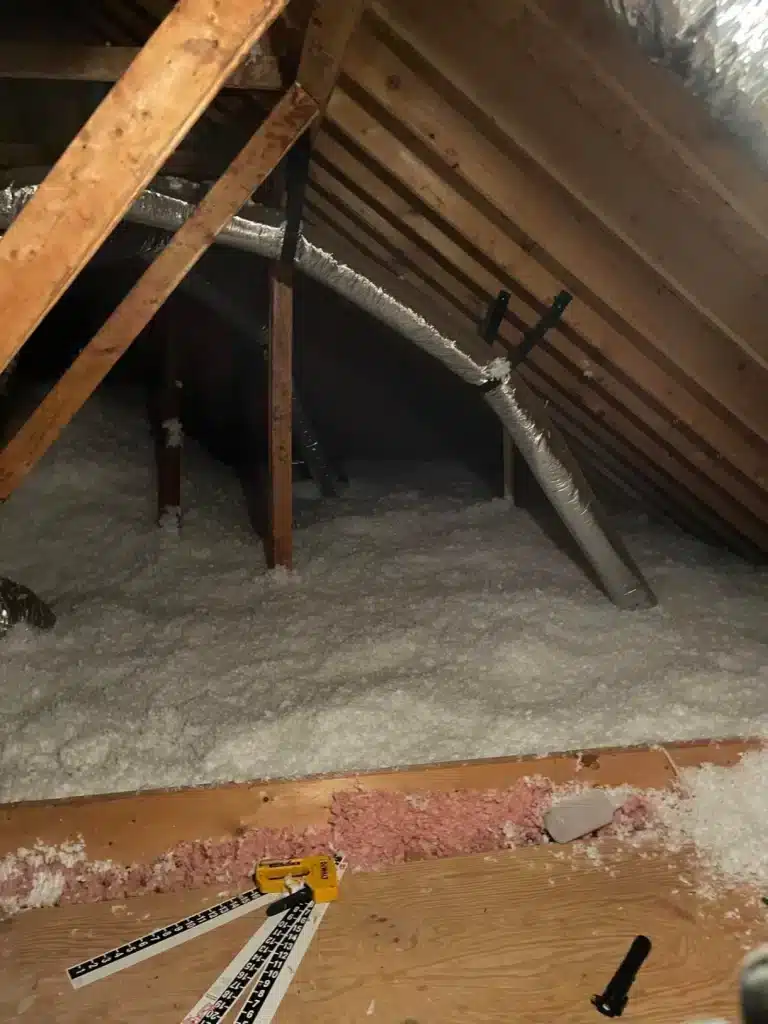
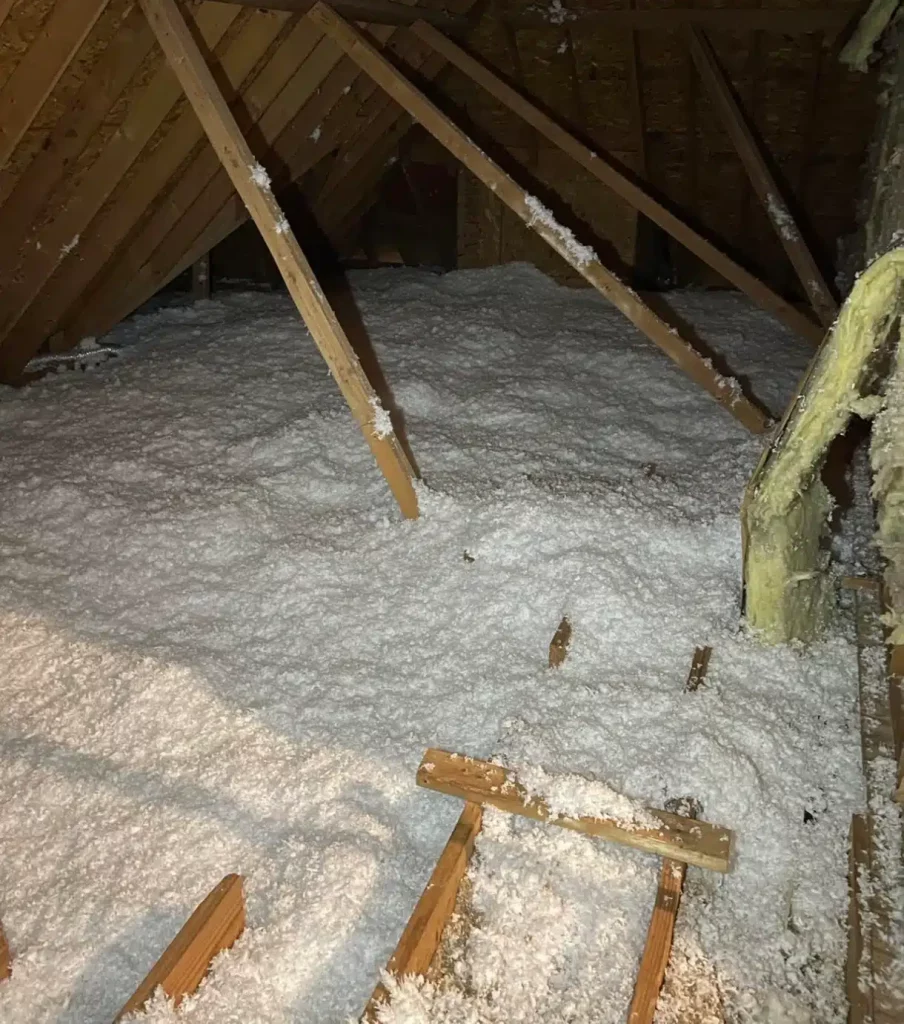
Fiberglass and cellulose have been the standard for decades. They are relatively inexpensive and familiar to most builders. Fiberglass is made from fine glass fibers, while cellulose is typically made from recycled paper products treated with a fire retardant.
However, their performance relies heavily on a perfect installation, which is difficult to achieve. Gaps, voids, and compression are common issues that drastically reduce their stated R-value. Over time, both materials can settle, creating uninsulated pockets at the tops of wall cavities.
The Modern Standard: Spray Polyurethane Foam (SPF)
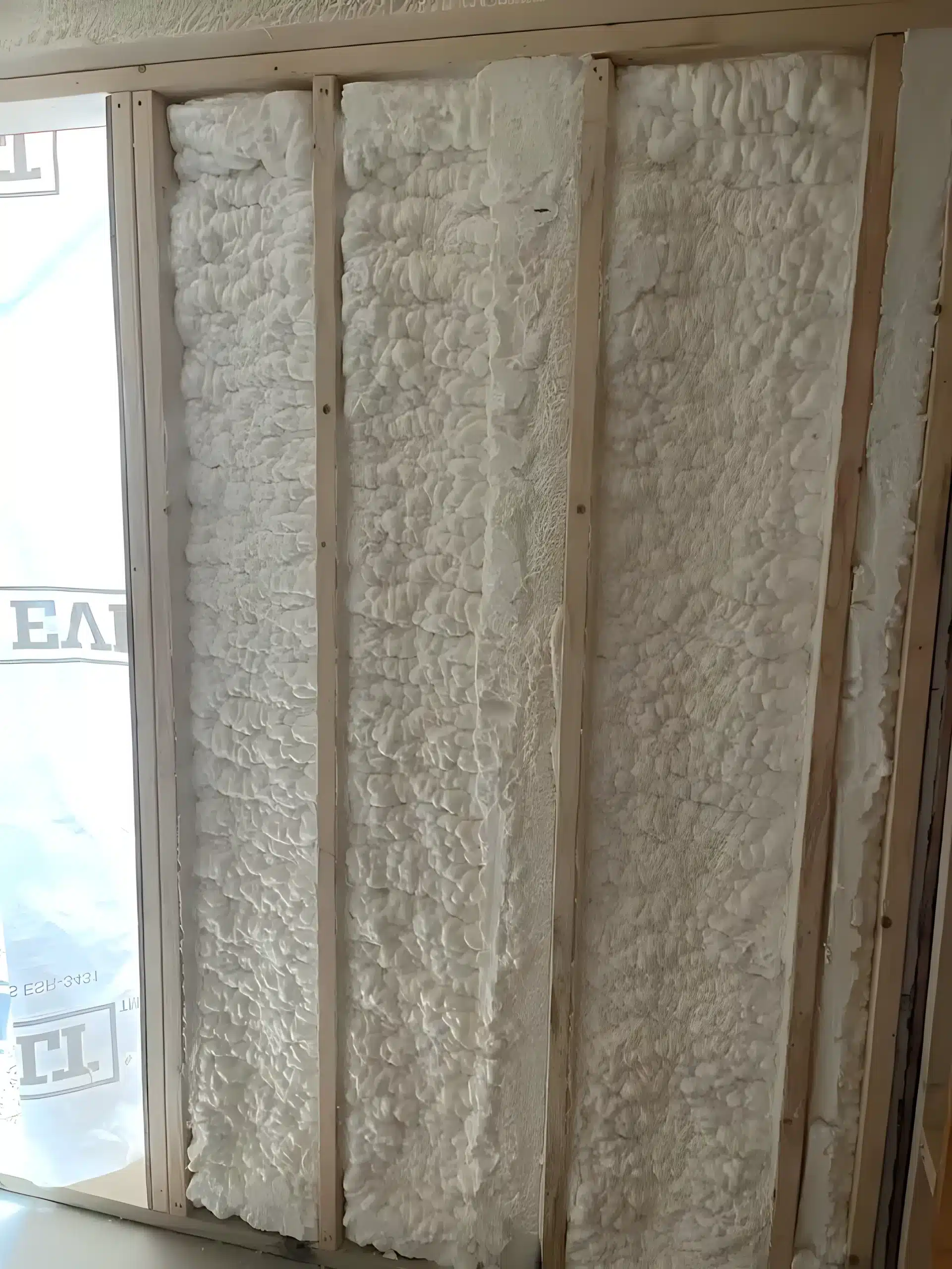
Spray foam insulation is a two-part liquid that is mixed on-site and sprayed into place. It expands rapidly to fill every space, creating a custom-fit layer of insulation.
- Open-Cell SPF: This type of foam has a softer, more flexible texture. It’s an excellent air barrier and also provides sound-dampening qualities. Because it allows water vapor to pass through, it’s often used in applications where the building assembly needs to “breathe.”
- Closed-Cell SPF: This is a denser, more rigid foam. It offers a much higher R-value per inch and acts as an air, moisture, and vapor barrier all in one. Its rigidity can also add structural strength to walls and roofs. A report by the Spray Polyurethane Foam Alliance notes that closed-cell foam can increase the racking strength of wall assemblies.
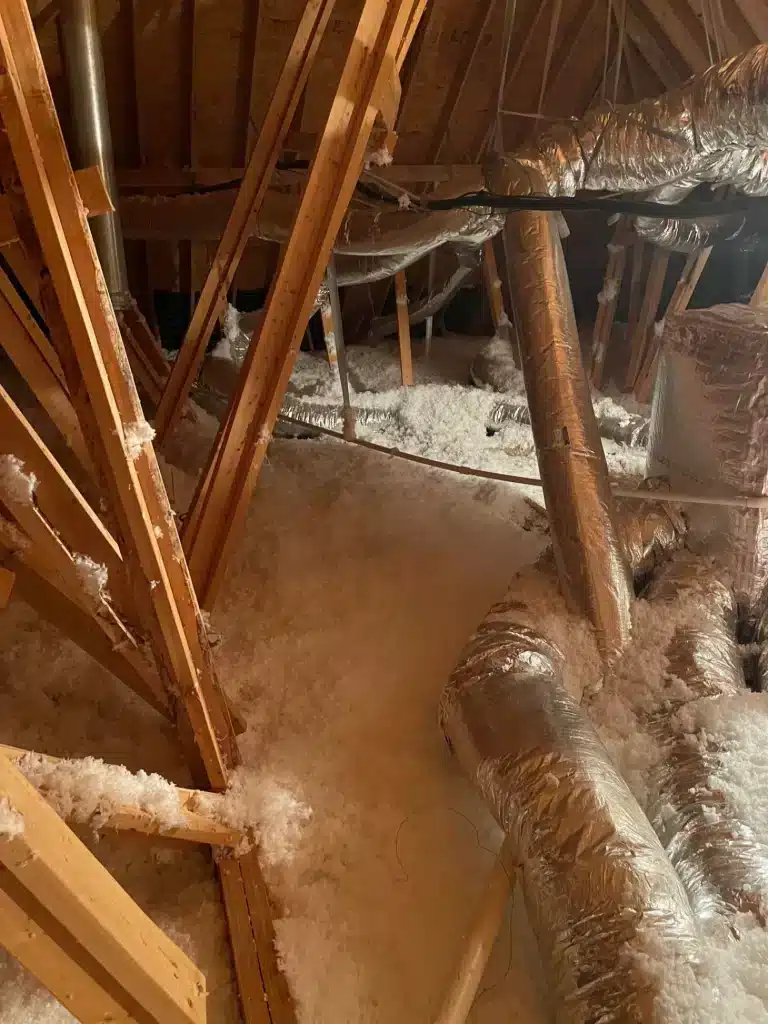
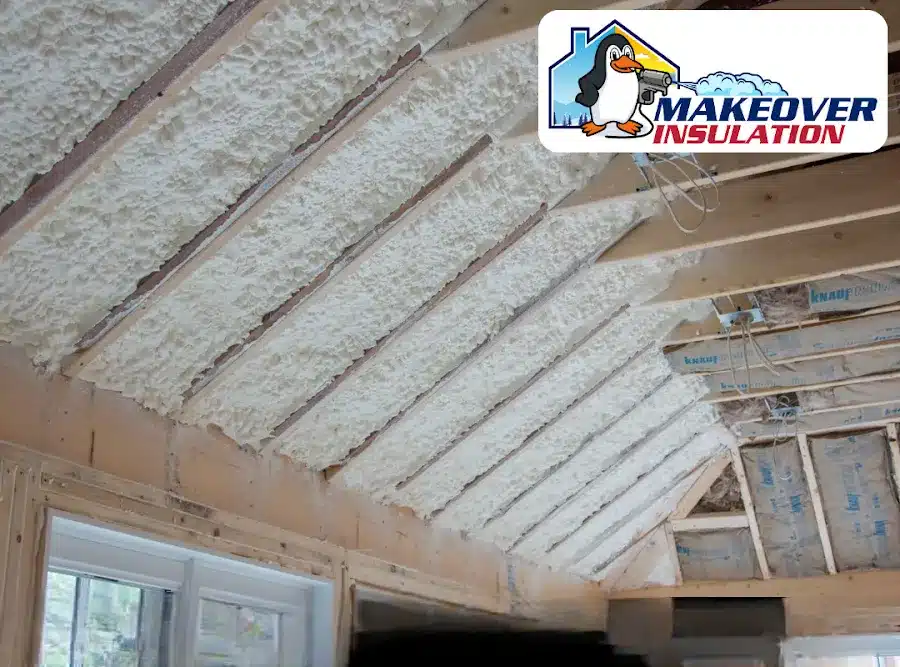
Bonus Tip: In mixed-humid climates like Georgia, using closed-cell spray foam on the underside of the roof deck can create an unvented, conditioned attic. This brings the HVAC system and ductwork inside the building’s thermal envelope, drastically reducing energy loss from ducts.
Things to Consider Before Making a Decision
Your choice of insulation should be tailored to your specific situation.
Budget vs. Long-Term Savings: While modern insulation often has a higher upfront cost, it provides greater energy savings over the life of the building. The global insulation market size is growing, a trend driven by rising energy costs and stricter building codes, as noted by Grand View Research. This indicates a broader shift toward higher-performing materials that offer a better return on investment.
Climate Zone: Homes in cold climates need high R-values to prevent heat loss, making closed-cell foam a strong contender. In hot, humid climates, the moisture-blocking properties of closed-cell foam are a primary advantage for preventing condensation and mold within wall cavities.
Building Codes: Local building codes dictate minimum R-value requirements for different parts of a home (walls, ceilings, floors). Always check the current codes for your area to ensure your project is compliant.
Project Goals: Are you trying to solve a specific problem? If you have drafts, air sealing is your top priority. If you’re concerned about moisture in a basement, a material that acts as a vapor retarder is best. For sound reduction between floors, open-cell foam is a great option.
Budget vs. Long-Term Savings: While modern insulation often has a higher upfront cost, it provides greater energy savings over the life of the building. The global insulation market size is growing, a trend driven by rising energy costs and stricter building codes, as noted by Grand View Research. This indicates a broader shift toward higher-performing materials that offer a better return on investment.
Get a Professional Assessment
The debate between traditional and modern insulation comes down to performance. While materials like fiberglass and cellulose provide thermal resistance, they fall short in preventing air leakage and managing moisture. Spray foam directly addresses these weaknesses, offering a comprehensive solution for energy efficiency, building durability, and occupant comfort. To determine which material provides the best overall value for your home, it’s important to evaluate your property’s specific needs, your local climate, and your long-term financial goals.
For a detailed evaluation, contact Makeover Insulation LLC. You can reach us by phone at (404) 800-0300 or by email at [email protected] to discuss your project and find the most effective solution for your space.
Sources
- U.S. Department of Energy – Provides information on the benefits of air sealing for energy savings in homes.
- Spray Polyurethane Foam Alliance – Offers technical data on the properties of spray foam, including its structural benefits.
- Grand View Research – Publishes market analysis and trends for the global insulation industry, highlighting growth drivers.
Common Questions
Can new insulation be installed over old insulation?
In some cases, yes. For example, spray foam can sometimes be applied over existing, well-compacted fiberglass in an attic. However, it’s often best to remove old, damaged, or contaminated insulation to ensure the new material can perform as intended and to address any underlying air leaks or moisture issues.
Is spray foam insulation safe after it’s installed?
Yes. Once cured, typically within 24 hours, spray foam is inert and stable. It does not release harmful gases. Professional installation is key to ensuring the chemical components are mixed correctly and the area is properly ventilated during application.
What is the typical lifespan of spray foam insulation?
Spray foam is a highly durable material. When installed correctly and not exposed to direct sunlight or physical damage, it does not shrink, settle, or degrade. It is expected to last for the life of the building, often 80 years or more.
Does modern insulation help with noise reduction?
Absolutely. The air-sealing quality of spray foam significantly reduces airborne noise transmission. Open-cell foam, with its softer structure, is particularly effective at absorbing sound waves, making it an excellent choice for media rooms, offices, and bedrooms.
Is there a big price difference between traditional and modern insulation?
Yes, there is an upfront cost difference. Spray foam insulation is generally more expensive per square foot than fiberglass or cellulose. However, this initial investment is often recouped over time through lower monthly energy bills and a reduced need for oversized HVAC equipment.
How does insulation impact my home’s resale value?
Upgrading to high-performance insulation is an attractive feature for potential buyers. It signals a well-maintained, energy-efficient home with lower utility costs. A properly insulated home is also often more comfortable and quieter, which are strong selling points.