
Spray foam insulation creates a cleaner and fresher indoor atmosphere primarily by forming a continuous air barrier. Unlike traditional insulation materials that can leave gaps and seams, spray foam expands to fill every crack and crevice, effectively sealing the building envelope. This seal stops the uncontrolled flow of outdoor air, which is often loaded with allergens, pollutants, and dust. By preventing these contaminants from infiltrating the home, spray foam directly contributes to better indoor air quality.
This article will explain the mechanisms behind this process, from blocking specific pollutants to managing indoor moisture levels. The information comes from years of professional experience in sealing homes and observing the direct impact on the air quality inside. Proper insulation is more than just temperature control; it’s about creating a healthier living space.
The Mechanics of an Air-Tight Seal
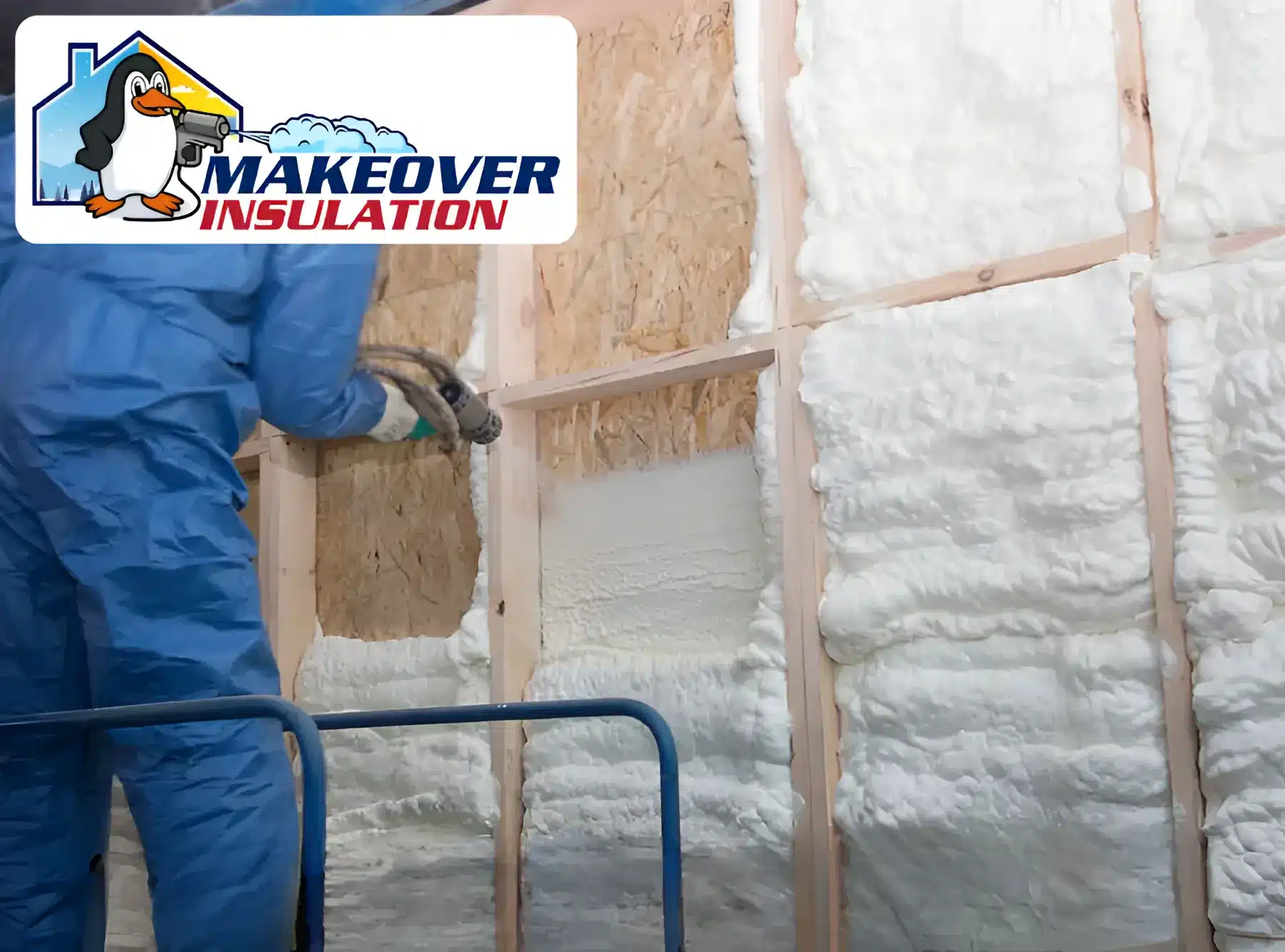
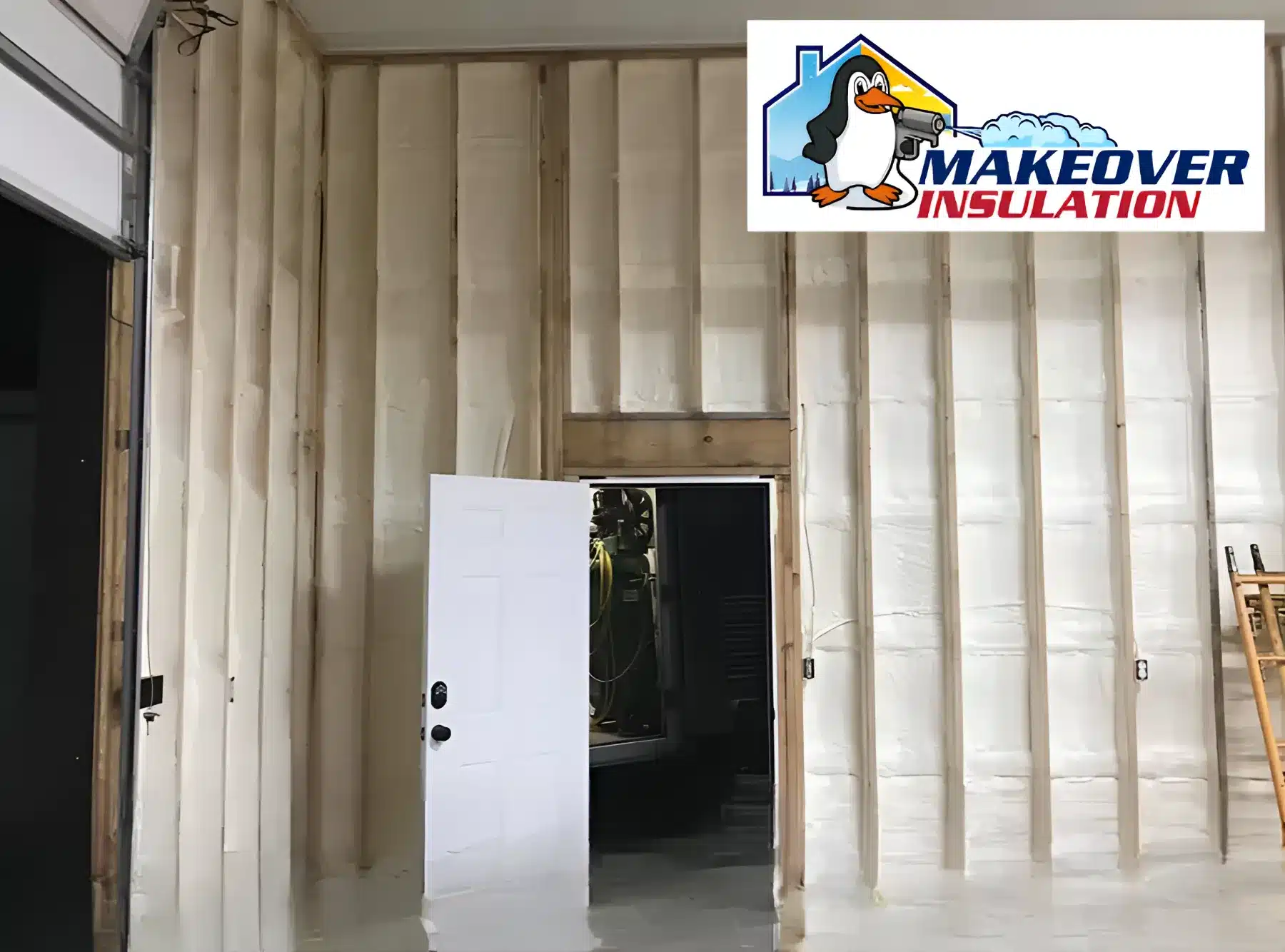
The defining characteristic of spray foam is its ability to create a near-perfect air seal. When the liquid components are mixed and sprayed onto a surface like a wall cavity or the underside of a roof deck, a chemical reaction causes the foam to expand dramatically, often up to 100 times its original volume.
This expansion process is what makes it so effective. The foam molds itself to the shape of the space, sealing around pipes, electrical boxes, and framing studs. This monolithic barrier leaves no easy pathways for air to leak in or out. A study by the U.S. Department of Energy highlights that air leakage can account for a significant portion of a home’s heating and cooling costs, but it’s also the main way outdoor pollutants get inside. By stopping these leaks, spray foam keeps unwanted particles out.
Preventing Pollutant Infiltration
An unsealed home constantly breathes in air from the outside. This air can bring with it a host of unwanted substances:
- Pollen from trees and plants
- Dust and soil particles
- Vehicle exhaust fumes
- Smoke from nearby fires or industry
- Pesticides used in lawn care
Because spray foam creates such a tight building envelope, it physically blocks these airborne particles from entering through walls and attics. This is a very different function from what traditional insulation like fiberglass batts can offer, as air can still move freely through and around them.
Blocking Common Airborne Contaminants
Not all insulation materials handle air and moisture equally. The structural differences between them determine how effectively they can protect indoor air quality. Closed-cell spray foam, in particular, offers a rigid, dense barrier that is difficult for air and water vapor to penetrate.
| Feature | Fiberglass Batts | Blown-in Cellulose | Closed-Cell Spray Foam |
|---|---|---|---|
| Air Sealing | Poor (Air passes through freely) | Fair (Can settle, creating gaps) | Excellent (Forms a rigid air barrier) |
| Pollutant Blockage | Low | Moderate | High |
| Moisture Resistance | Low (Can hold moisture) | Low (Can absorb moisture) | High (Acts as a vapor barrier) |
| Mold Resistance | Susceptible when damp | Susceptible when damp | High (Inert, non-organic material) |
This comparison shows that spray foam’s ability to act as an air, vapor, and thermal barrier in one application gives it a distinct advantage in keeping the indoor environment clean.
Moisture Control and Its Impact on Air Quality
Controlling moisture is just as important as blocking pollutants for maintaining fresh indoor air. When warm, humid air from outside enters a cooler wall cavity, condensation can occur. This moisture can lead to the growth of mold and mildew, which release spores into the air.
According to the United States Environmental Protection Agency, controlling moisture is the key to controlling mold. Closed-cell spray foam is a non-organic material that does not support mold growth and, because it’s a vapor retarder, it stops moisture-laden air from passing through the walls in the first place. This helps keep the internal structure of the walls dry and free from the conditions that mold needs to grow.
Climate Considerations for Humid Regions
In areas with high humidity, like the southeastern United States, moisture control is a constant battle. The intense summer heat and humidity can push a lot of water vapor into building assemblies. For homes in these climates, using closed-cell spray foam can be especially beneficial. Its low vapor permeance helps prevent the damp, musty odors associated with mold and mildew, contributing directly to a fresher-feeling home.
Bonus Tip: When insulating a crawl space in a humid climate, sealing the vents and insulating the foundation walls with closed-cell spray foam can stop a major source of moisture and soil gases from entering the home.
Things to Consider Before Making a Decision
Choosing the right insulation requires looking at a few factors beyond just its performance.
Understanding Different Types of Spray Foam
There are two main types of spray polyurethane foam: open-cell and closed-cell. Open-cell foam is less dense, provides a good air seal, and has sound-dampening qualities. Closed-cell foam is denser, offers a higher R-value per inch, and acts as a vapor barrier, making it better for moisture control. The right choice depends on the climate and the specific application area (walls, roofline, etc.).
The Importance of Professional Installation
Spray foam insulation is not a DIY project. It requires precise mixing of chemicals at specific temperatures and pressures. A certified installer is trained to handle the material safely and apply it correctly to ensure it performs as expected. Improper installation can lead to odors, poor performance, and even safety issues.
Bonus Tip: Always ask an installer about their ventilation plan for the worksite during and after application. Proper ventilation is essential for the foam to cure correctly and for any initial odors to dissipate quickly.
Curing Time and Off-Gassing Concerns
Modern spray foam products are designed to be stable once cured. During the application and curing process (typically 24 hours), the area must be well-ventilated, and occupants should not be present. Once fully cured, the foam is inert, and off-gassing is minimal. The Spray Polyurethane Foam Alliance provides extensive safety information, emphasizing the importance of hiring qualified professionals who follow strict safety protocols.
Common Questions About Spray Foam and Air Quality
Many homeowners wonder if creating such an air-tight home is actually healthy. The answer is yes, as long as it’s paired with proper ventilation. Sealing the leaks stops uncontrolled air exchange, but modern homes are designed with controlled mechanical ventilation (like an HVAC system with a fresh air intake or an ERV/HRV) to ensure a steady supply of fresh, filtered air.
Sealing the building envelope gives you control over the air your family breathes. Instead of random drafts bringing in dust and pollen, your ventilation system can bring in fresh air that has been filtered and conditioned.
Final Thoughts on Indoor Air Health
Improving indoor air quality is about controlling your home’s environment. Insulation services provide a high level of control by effectively sealing the building envelope. This single step can reduce incoming dust, pollen, and pollutants while also managing moisture to prevent mold growth. By stopping uncontrolled air leakage, you create a foundation for a cleaner, fresher, and healthier indoor atmosphere. The next step is to ensure your home has a proper mechanical ventilation strategy to manage the fresh air exchange. To apply these principles effectively, a professional evaluation is the best starting point.
Getting a Professional Assessment
Every home has unique challenges. Before deciding on an insulation strategy, it’s best to have a professional evaluate your property. For a detailed consultation or to discuss your specific needs, contact Makeover Insulation LLC at (404) 800-0300 or send an email to [email protected]. An expert can help determine the best approach for improving your home’s energy efficiency and indoor air quality.
Sources
- U.S. Department of Energy – Provides official information on the importance of air sealing for energy efficiency and home comfort.
- United States Environmental Protection Agency – Offers guidance on preventing mold growth by controlling indoor moisture.
- Spray Polyurethane Foam Alliance – An industry organization that provides technical specifications and safety guidelines for spray foam products.
Frequently Asked Questions
Is spray foam insulation safe for people with allergies?
Yes, it can be very beneficial. By sealing the home from outside allergens like pollen, dust, and mold spores, spray foam can help reduce the triggers for allergy and asthma symptoms.
Can spray foam eliminate all outside noises?
While not its primary function, spray foam does have excellent sound-dampening properties. Open-cell foam, in particular, is effective at absorbing sound waves and can significantly reduce noise from outside traffic, neighbors, and airplanes.
Does spray foam insulation need to be replaced?
No. When installed correctly, spray foam is a durable material that does not sag, settle, or break down over time. It should last for the life of the building.
How does ventilation work with an air-tight home?
An air-tight home relies on a mechanical ventilation system to exchange stale indoor air for fresh outdoor air. This is often handled by your HVAC system, which can be fitted with a fresh air intake. This controlled approach is much healthier than relying on random, unfiltered leaks in the building structure.